Outsole Mould Opening Service for Custom Shoe Sole Tooling
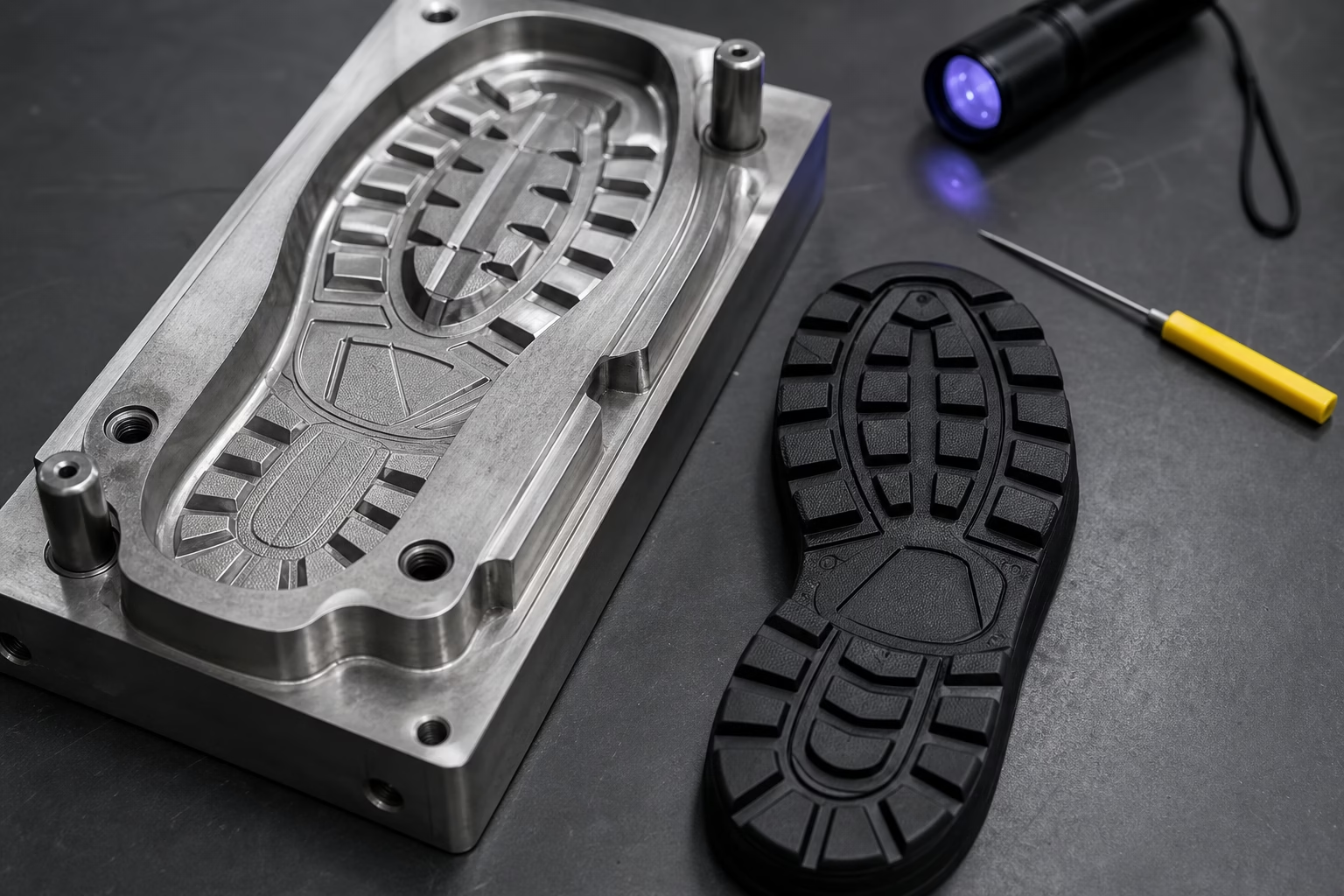
Jinjiang WENCHANG Footwear Materials Co., Ltd. Provides an outsole mould opening service for footwear brands and factories preparing defined custom outsole projects. We coordinate artwork and sample stages through one-to-one project follow-up. When a new mould is required, samples can be available within one month. The route must first be assessed from the outsole reference, size run, material or process, quantity and testing needs. Submit these details for a project-specific assessment and quotation.
Project Fit
When a New Outsole Mould Is the Right Starting Route
A new mould is generally the right starting route when a custom outsole concept has no suitable tooling. It creates the tooling basis for a proposed outsole sample, not authorization for bulk production. WENCHANG supports defined commercial projects for footwear brands and factories.
The Outsole Design Is Not Represented by a Suitable Available Mould.
The Required Shape or Size Run Differs from the Tooling Currently Available to the Project.
A Custom Outsole Reference Must Be Converted into Tooling Before a Sample Can Be Made.
The Buyer Has No Customer-Owned Mould for the Proposed Outsole.
Tooling Route
Choose Between New Tooling and an Existing-Mould Route
The first commercial decision is whether the project requires new tooling. Mould opening creates tooling for a new outsole requirement. Existing or customer-owned moulds follow separate review routes because the available tooling must be assessed against the proposed production project.
No Suitable Mould Is Available
Use new outsole mould opening, then assess the brief, quotation basis, size run and sample plan.
The Buyer Owns the Proposed Mould
Use the customer-owned mould route to review the existing tooling and proposed project before confirming use.
An Available Mould May Meet the Requirement
Confirm the correct existing-mould service path before requesting a sample.
Assessment Inputs
Information Needed for a Tooling Assessment
A useful mould assessment begins with a clear commercial brief. A visual reference may show the design direction, but it does not define the complete tooling request. WENCHANG needs sufficient information to identify the product, intended scope and factors affecting quotation or sampling.
Product Type:
Identify the footwear outsole or related product involved.
Artwork or Reference:
Provide the available design information or a suitable product reference.
Quantity:
State the planned commercial quantity for project assessment.
Size Run:
List all sizes required for the proposed project.
Material or Process:
Name the intended outsole family and any known process requirement.
Colour:
State the required colour direction for the sample.
Schedule:
Explain when the sample or project is required.
Destination:
Identify the intended delivery market or location for quotation planning.
Testing Requirements:
List any physical or chemical test items that must be considered.
Material Context
Identify the Intended Outsole Material or Construction
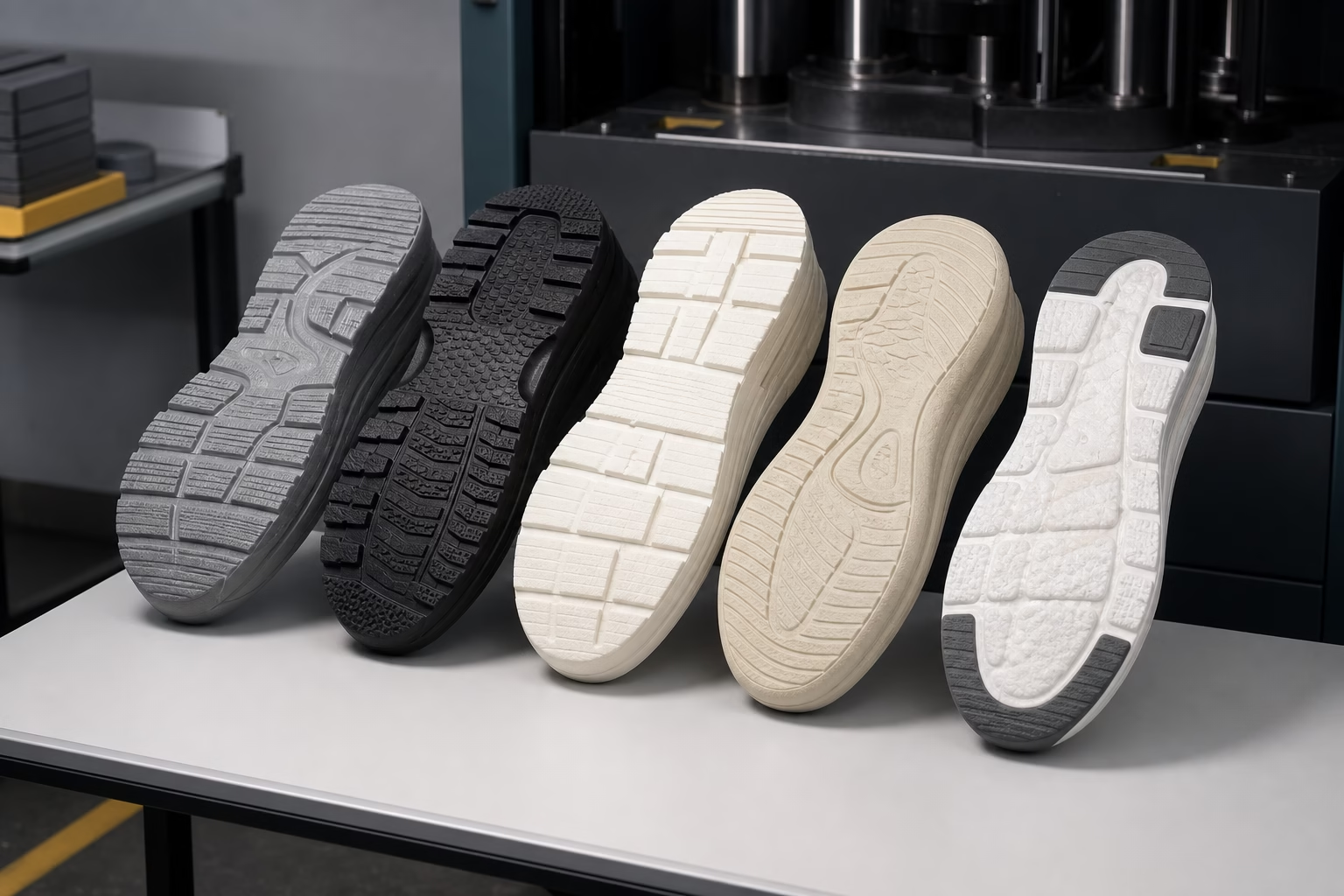
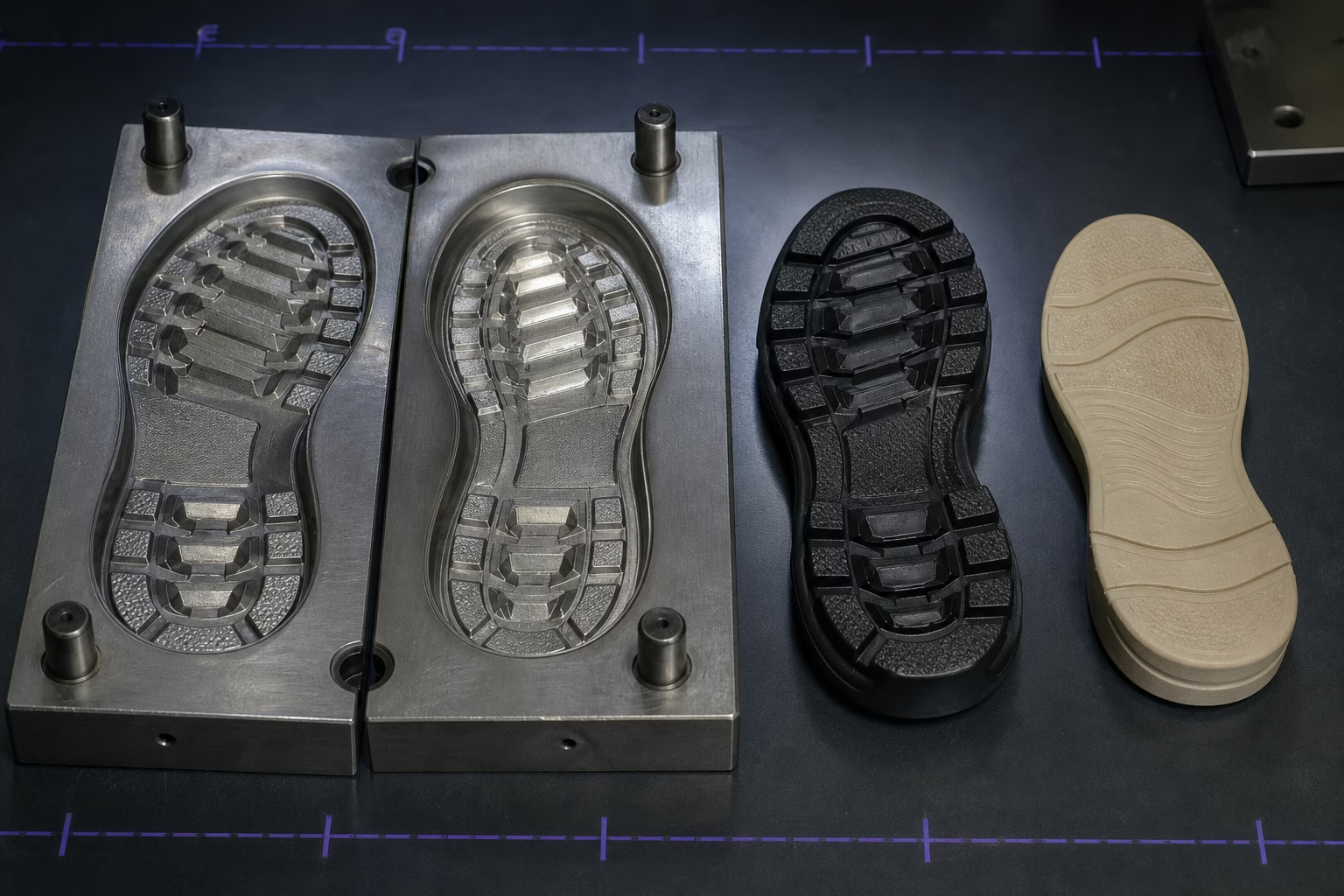
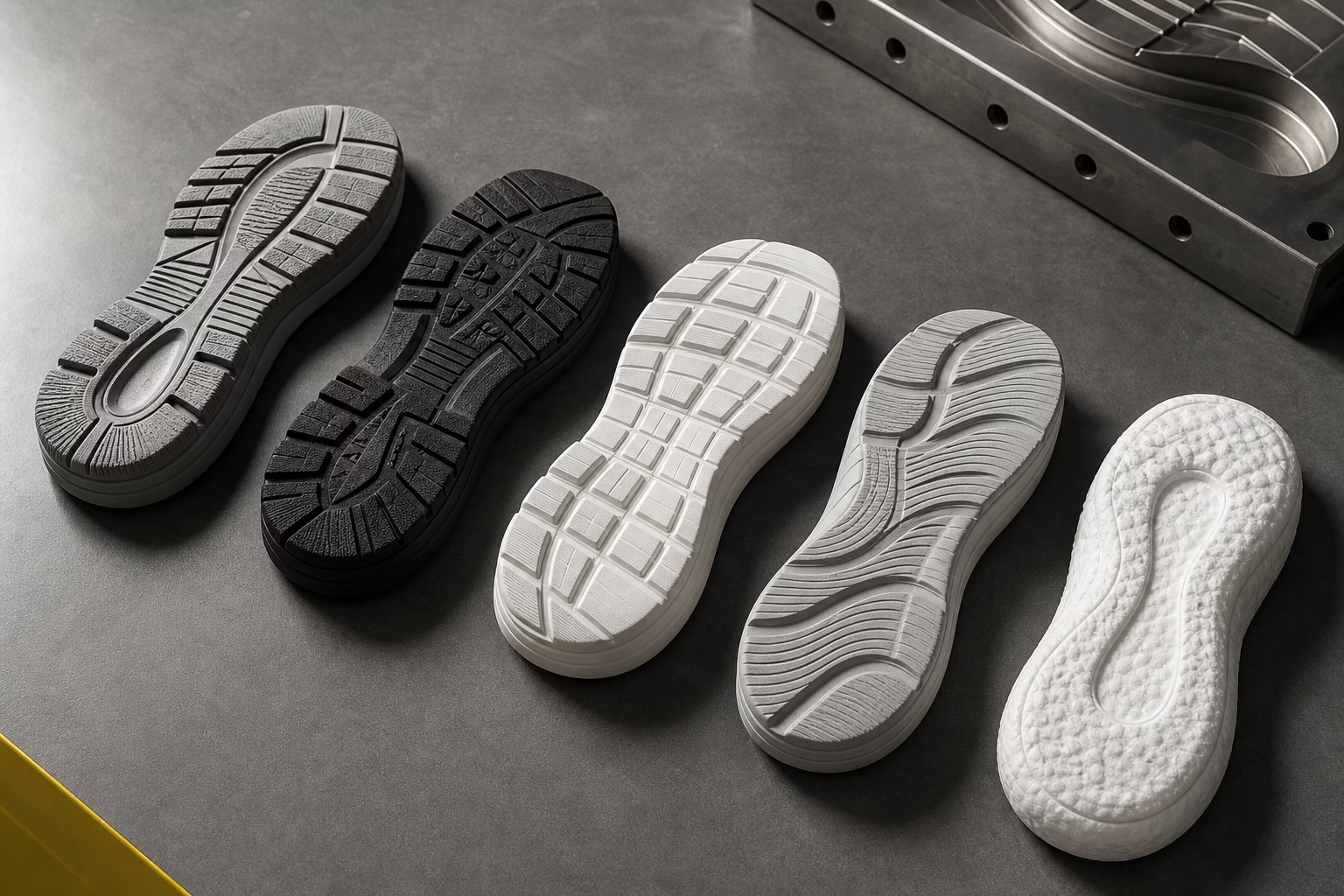
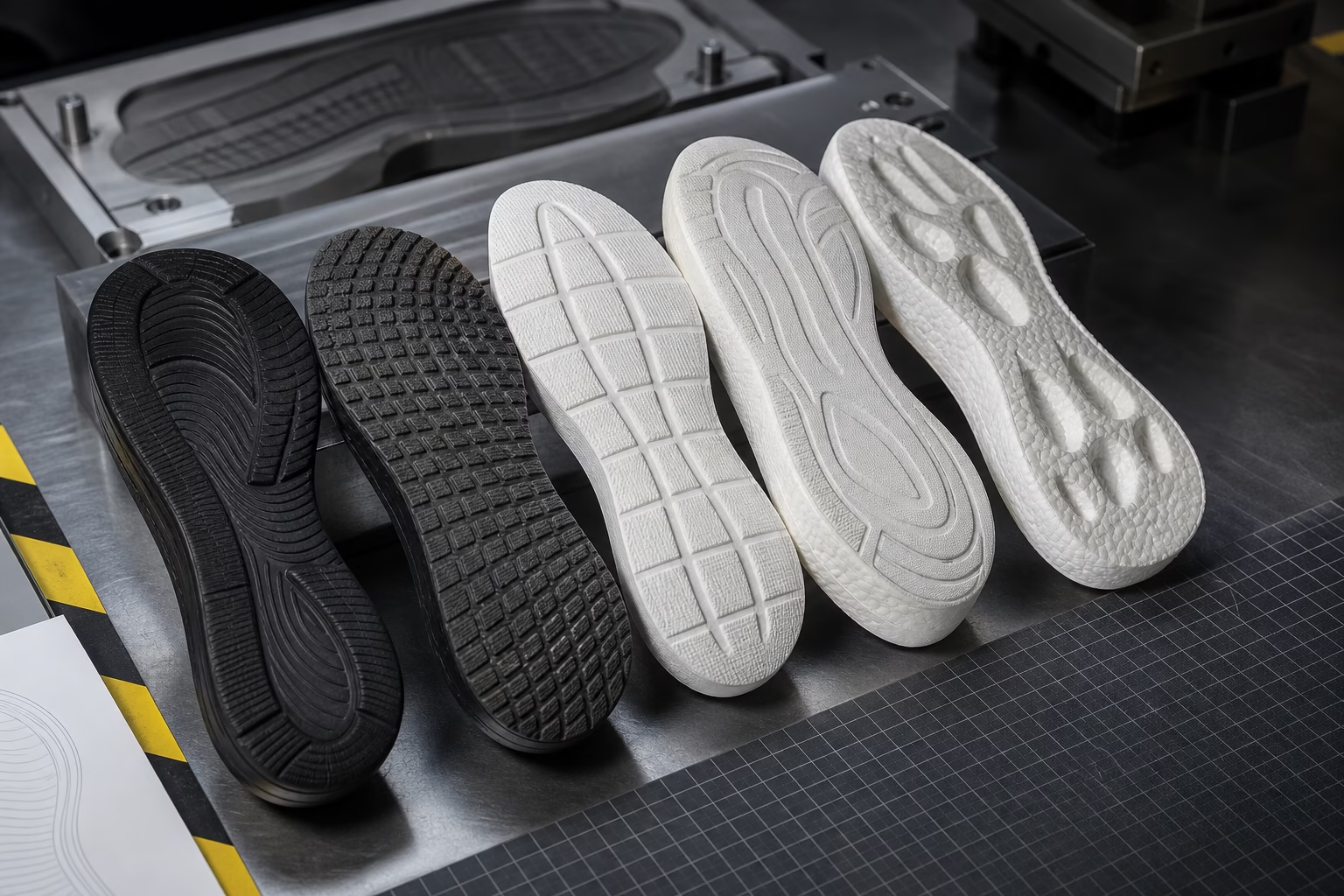
The tooling brief must identify the proposed outsole material or construction. WENCHANG supplies TPR, RB rubber, MD Phylon, PU and ETPU combined outsoles. Each design requires assessment because tooling and process needs may differ across these five outsole families.
Material Selection Before Tooling
If the material is undecided, compare the outsole families before advancing once the intended construction is clear enough for review.
Material Selection Before Tooling
Size Scope
Define the Full Size Run Before Mould Work
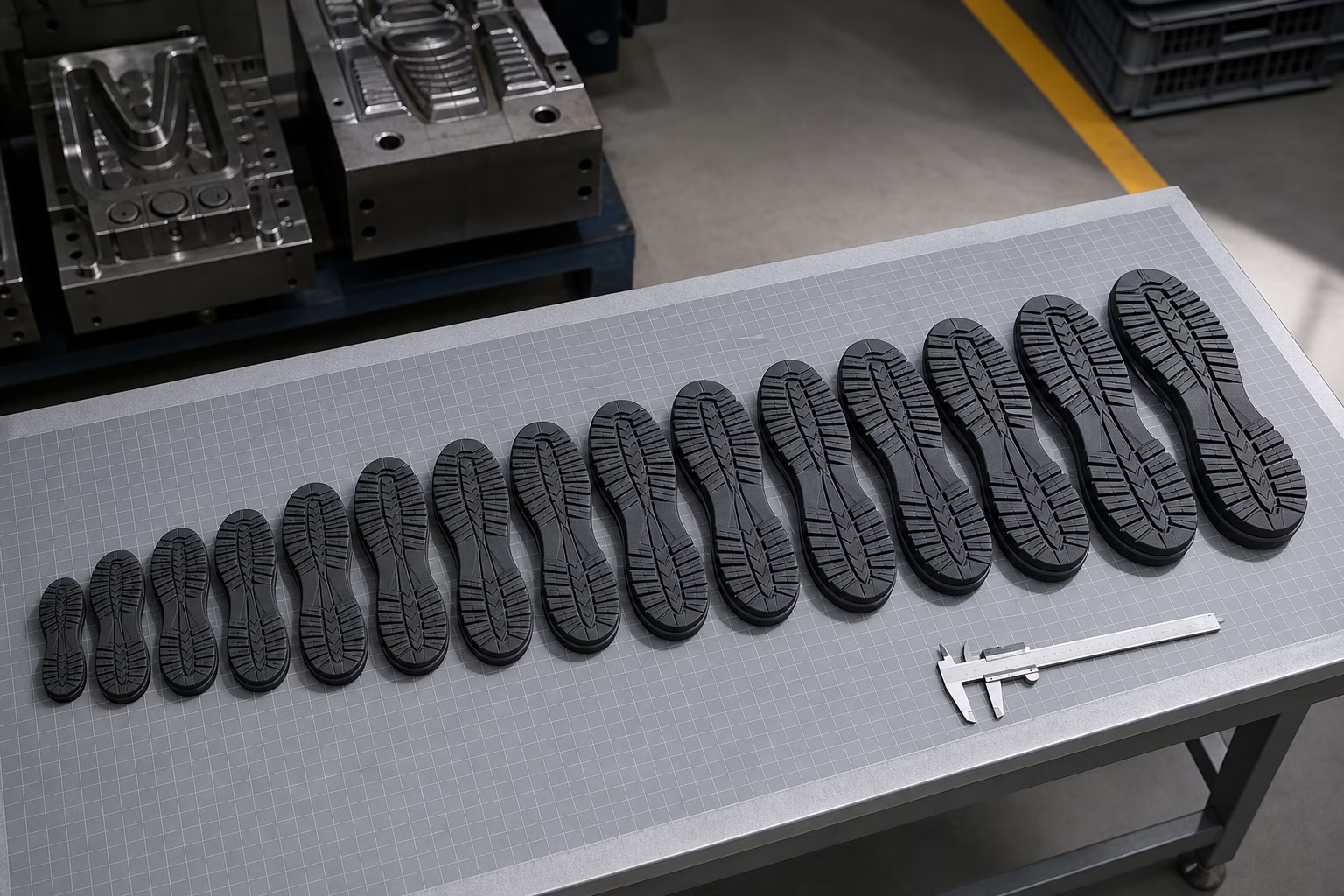
Define the complete commercial size range when requesting an assessment, even if one size will serve as the first sample reference. A single image or reference size cannot establish the tooling scope or quotation basis for the full footwear programme.
Commercial Stages
Commercial Stages from Brief to Sample Approval
Outsole mould opening follows defined decision gates from brief to sample approval. Each gate confirms whether the project is ready to advance. Beginning mould work does not authorize bulk production, which requires a separate release after the buyer approves the sample.
01
Receive the Project Brief.
We collect the product type, design reference, quantity, size run, material or process, colour, destination, schedule and applicable testing needs.
02
Review the New-Mould Requirement.
We determine whether the request belongs on the new-tooling route rather than an existing or customer-owned mould route.
03
Confirm the Quotation Basis.
The commercial scope is reviewed from the information supplied. Project-specific terms must be confirmed before mould development begins.
04
Proceed with Mould Development.
Mould work starts only after the relevant project details and commercial basis have been agreed.
05
Produce the New-Mould Sample.
The first sample provides a physical basis for buyer review.
06
Obtain Buyer Approval.
The buyer reviews the sample and records the approval decision. Bulk production is a later stage and requires a separate release after sample approval.
Sample Timing
Sample Timing for Projects Requiring a New Mould
Samples requiring a new outsole mould can be available within one month. This timing applies only to the new-mould sample route; it is not a universal completion promise or bulk-production schedule. Confirmed project information is required before mould development and sampling.
01
Information Required Before Sampling
Disclose the design, size run, material or process, colour and testing context during assessment.
02
Unresolved Requirements
Incomplete inputs or later revisions may require additional project review.
03
Sample Approval Gate
Mould completion alone is not sample approval or permission to begin bulk production.
Testing and Changes
Plan Testing Requirements and Control Revisions Early
State testing requirements before quotation, mould work and sampling so they can be considered while scope is defined. Testing support is project-, product-, method- and scope-specific; it does not give every outsole a blanket result or compliance status.
Potential Test Areas
Areas may include slip resistance, abrasion resistance, colour fastness to yellowing, light fastness and REACH compliance testing.
Project-Specific Test Scope
The exact test scope, method and acceptance requirements must be confirmed for the individual project.
Revision Control
Submit changes to artwork, reference, size run, material, process or colour for review.
Changes After Tooling Starts
Later changes cannot be assumed to be included, cost-free or technically suitable; their effect requires confirmation.
FAQ
Frequently Asked Questions
Commercial Review
Send Your New-Mould Project for Commercial Review
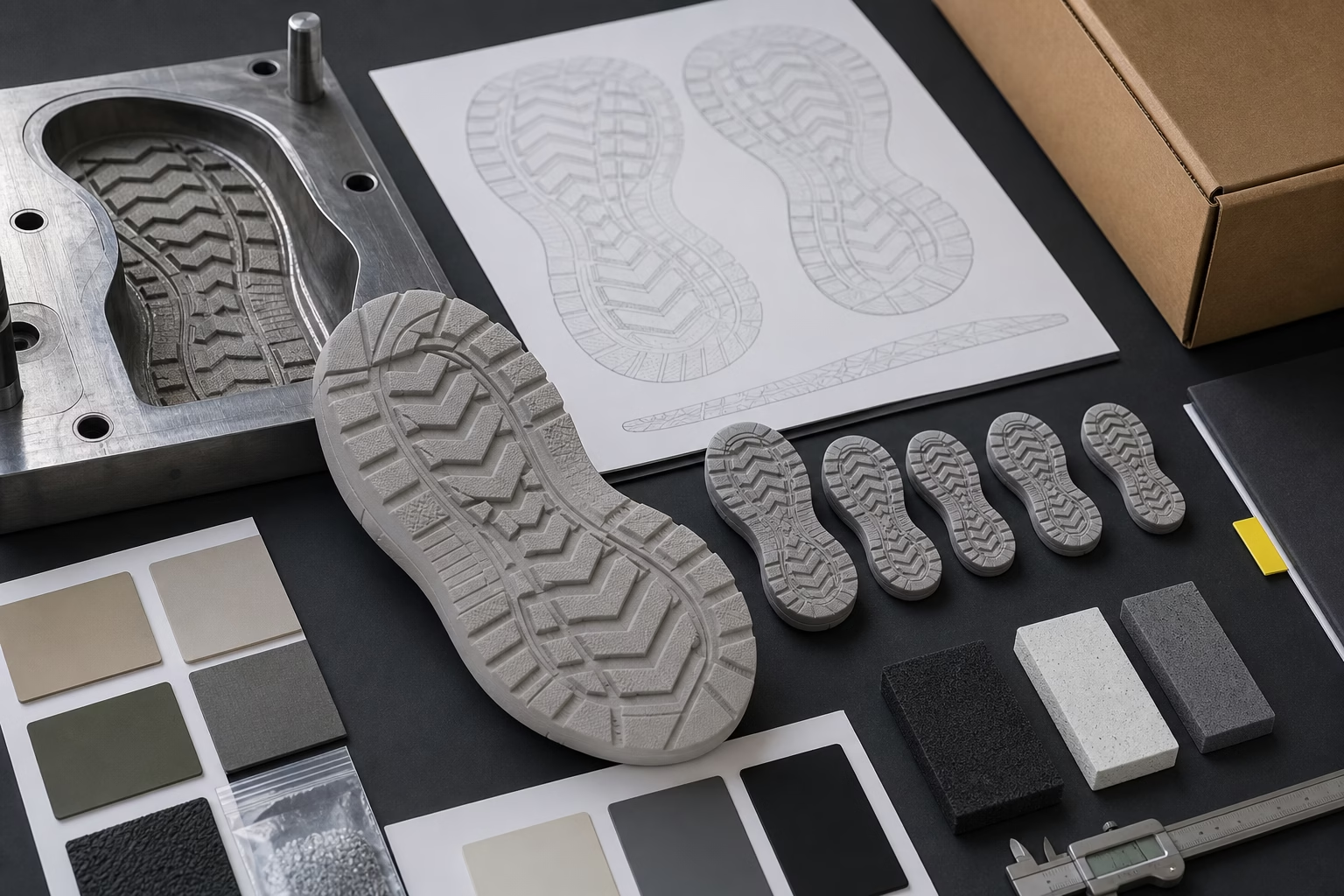
Submit one concise brief with the product type, artwork or reference, size run, material or process, colour, quantity, testing needs, destination and required schedule. WENCHANG will use these details to identify the correct tooling route and prepare a project-specific quotation basis.