Custom Outsole Development from Design to Approved Sample
Jinjiang WENCHANG Footwear Materials Co., Ltd. Provides custom outsole development for footwear brands, importers and shoe factories. We supply TPR, RB rubber, MD Phylon, PU and ETPU combined outsoles based on artwork, physical references or defined project specifications. One-to-one follow-up connects material, colour, size run, mould status, testing requirements and sample approval. Send your available project information so WENCHANG can review the development route before quotation and sampling.
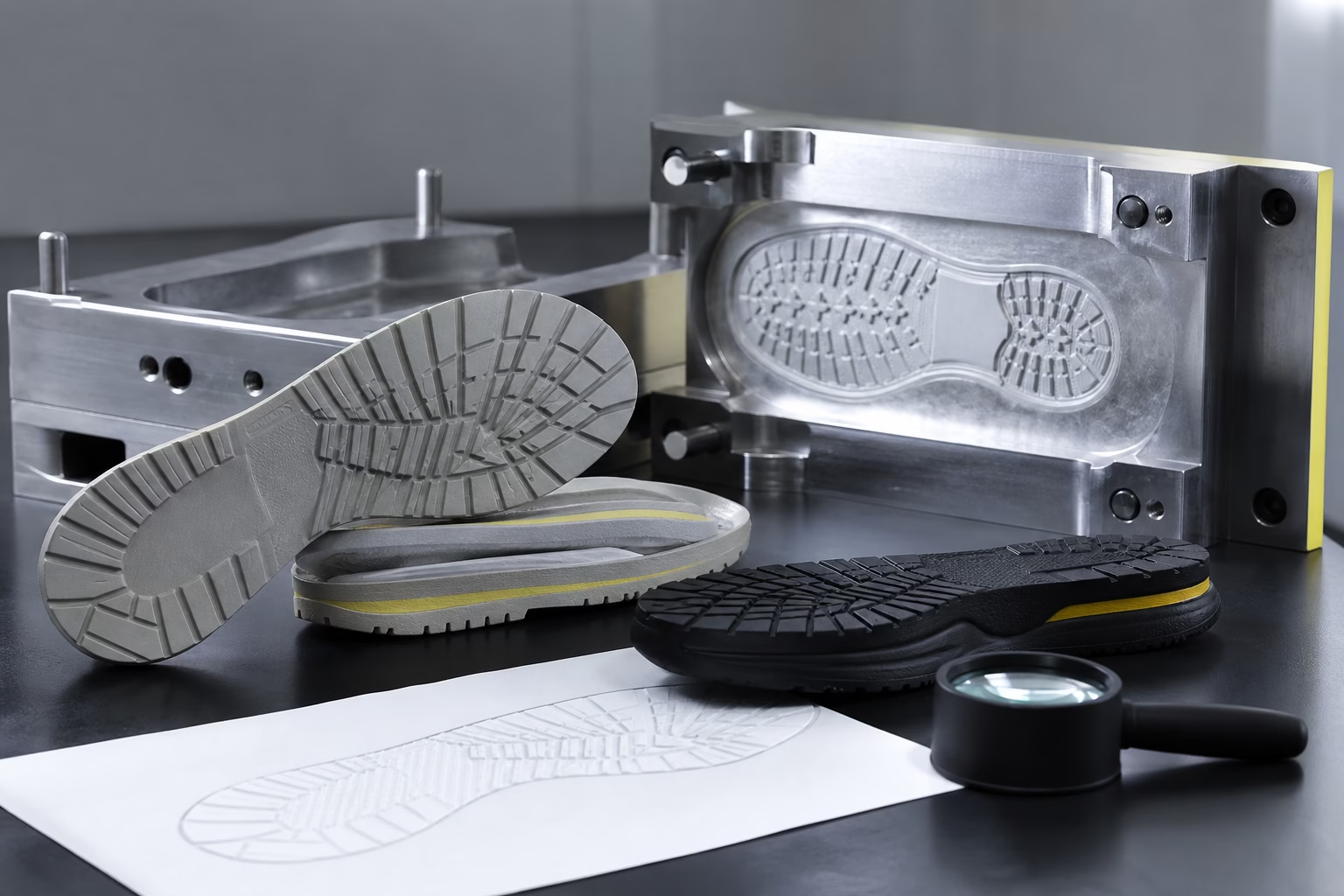
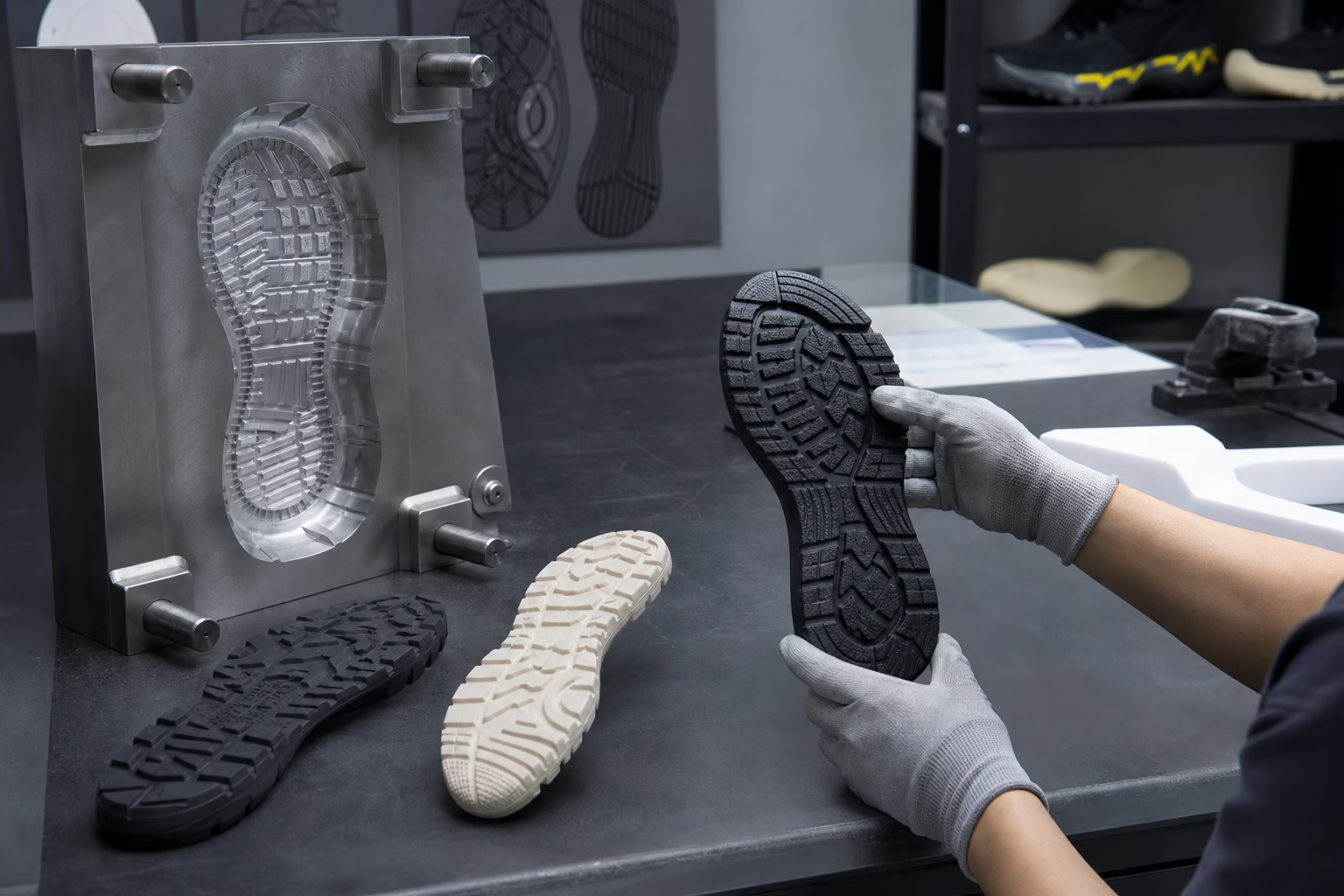
Which Custom Outsole Projects Can We Review?
Our development service is intended for B2B footwear teams that need an outsole specification suitable for sampling and later production planning. A project can begin with artwork, a product reference, an existing outsole sample or a set of defined requirements. Typical projects include a brand developing an outsole for a new footwear style, a shoe factory sourcing a component for its production programme, or an importer coordinating a made-to-order outsole with a supplier. The development scope remains focused on the outsole rather than a complete footwear OEM or ODM programme. A suitable starting brief should identify the footwear or outsole type and the result you need from the review. Some buyers already know the material and mould route. Others first need to organize the relationship between their design, size range, testing needs and sample acceptance points. For a wider view of related project stages, visit our footwear customization and production services .
How an Outsole Brief Becomes a Connected Development Plan
Custom shoe sole development works best when each decision is recorded in the correct order. A change to the material, colour, construction or size coverage may affect later mould, test or sample discussions. The development plan therefore needs one agreed basis rather than separate instructions sent at different stages. This sequence does not prevent revisions. It makes their effect easier to identify. When one field changes, the project record can show which later decisions need to be checked again.
Define the Starting Reference.
Identify the artwork, physical reference or specification that represents the intended outsole.
Confirm the Product Scope.
State the footwear application, outsole type, planned quantity and complete size run.
Review the Material Route.
Identify the proposed outsole material and any relevant production-process requirements.
Align Colour and Visual Details.
Connect the colour requirement to the correct design reference and project revision.
Confirm the Mould Route.
Establish whether the project can follow an existing mould route or requires new mould development.
Declare Testing Needs.
Record required physical or chemical test items before quotation and sampling.
Set the Sample Approval Basis.
Agree what the buyer will review before the project advances to bulk production planning.
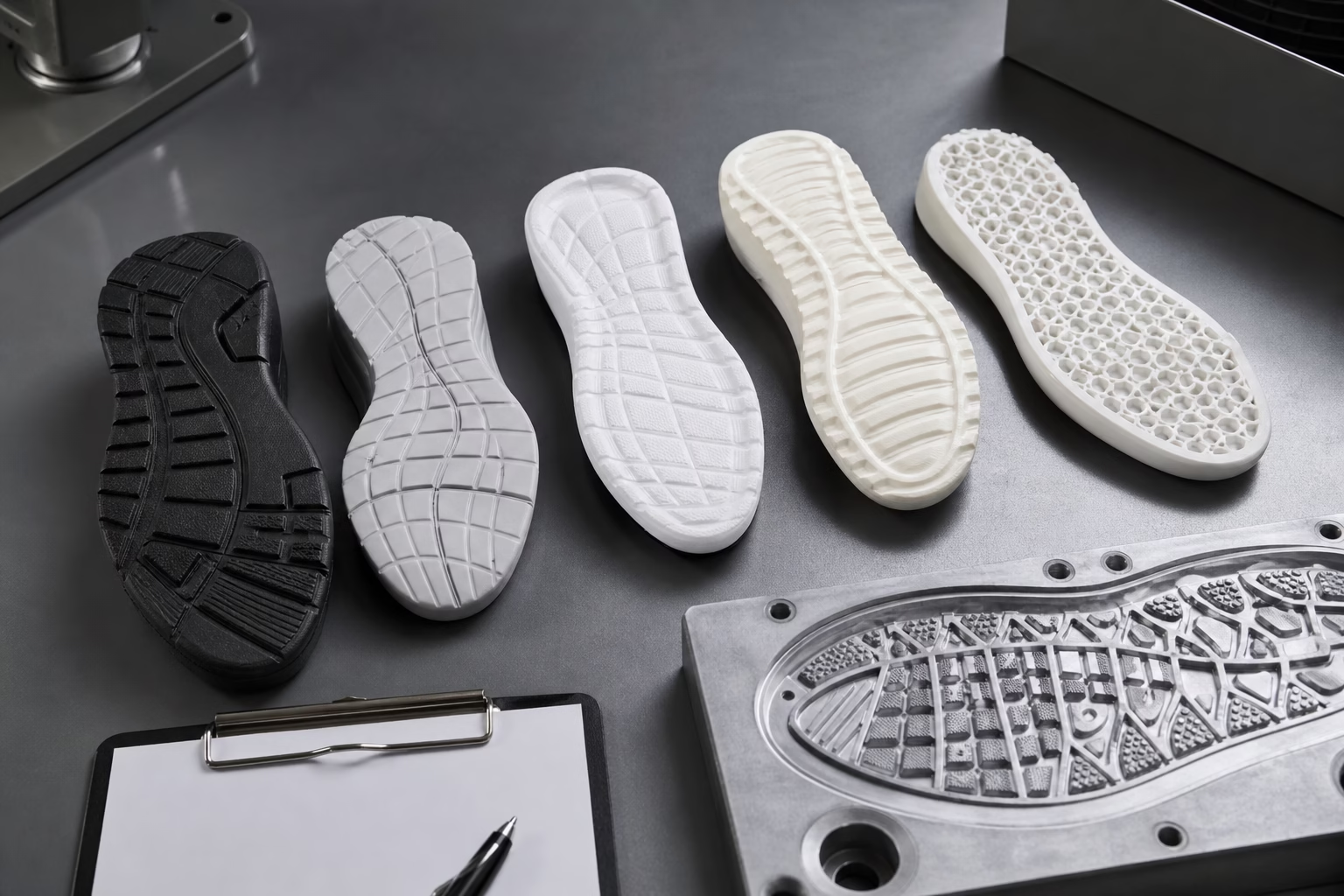
Material Routes for TPR, Rubber, Phylon, PU and ETPU Outsoles
WENCHANG supplies custom outsoles in TPR, RB rubber, MD Phylon, PU and ETPU combined formats. The selected material must be reviewed together with the outsole design, construction, intended process, mould status and test requirements. Material names alone do not define a complete specification. Two projects using the same material category may still have different designs, colour instructions, size runs, mould requirements and acceptance criteria. We therefore review the material as one part of the full development brief rather than as an isolated choice. If your team is still comparing material categories, the material decision should be made against the footwear design, process and testing needs rather than unsupported general rankings.
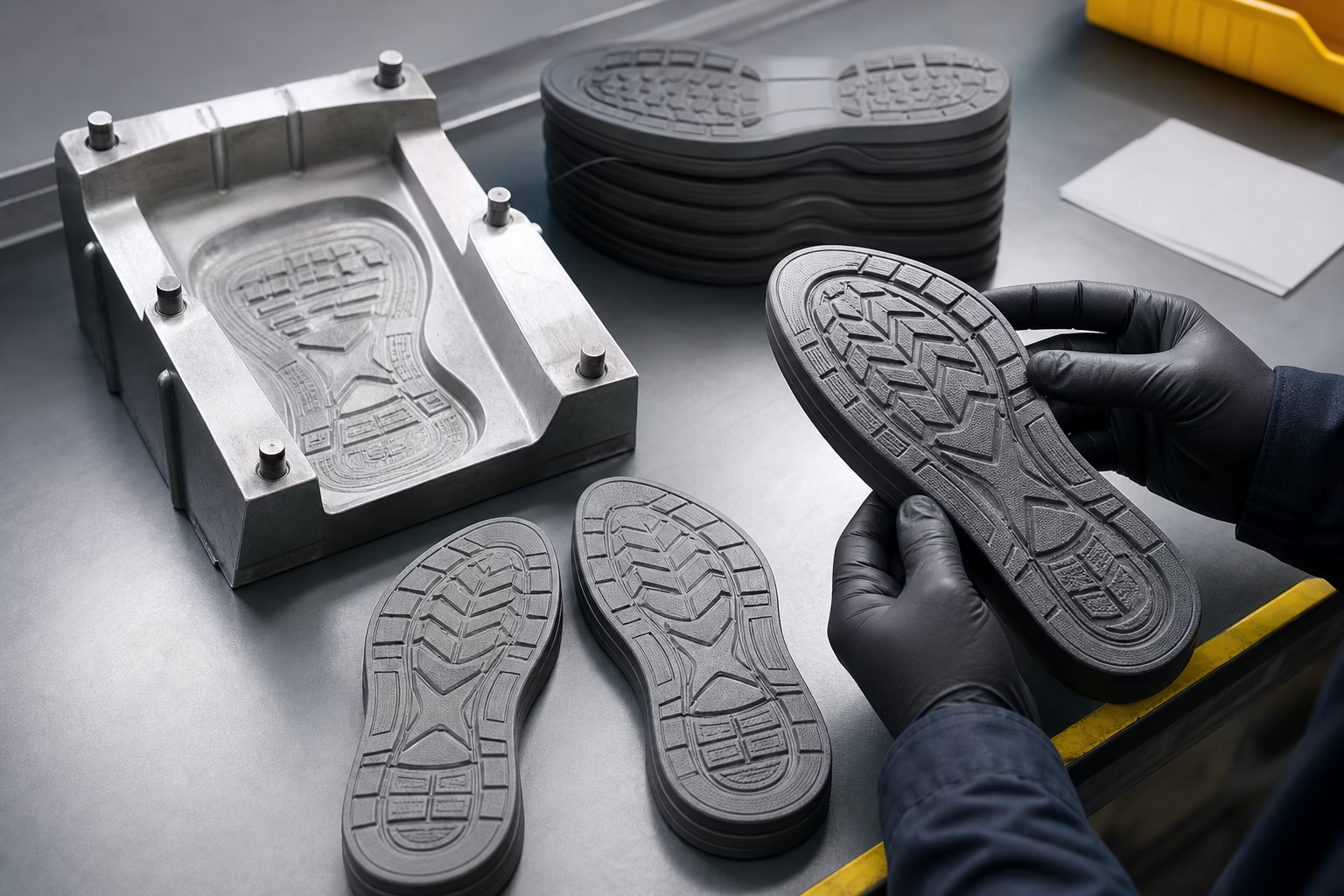
Align Colour, Size Run and the Outsole Specification
Colour and size information must remain linked to the same outsole revision. This prevents a visual reference for one design from being applied to another version or an incomplete size range from becoming the basis for development. State the required colour and identify the reference it belongs to. If a project includes more than one colour option, distinguish each option clearly in the development record. Colour requirements should also be considered when declaring colour fastness to yellowing or light fastness testing needs. The size run defines the range that the project is expected to cover. It should be supplied as a complete requirement rather than as a single sample size with an assumed extension. WENCHANG does not apply unconfirmed size availability, scaling rules or tolerances. These details must be reviewed against the actual project information. Together, the artwork or reference, colour instruction and size run establish the specification that the buyer will later compare with the sample. If any of these inputs changes, the related mould and sample decisions may also require review.
Choose the Existing-Mould or New-Mould Route
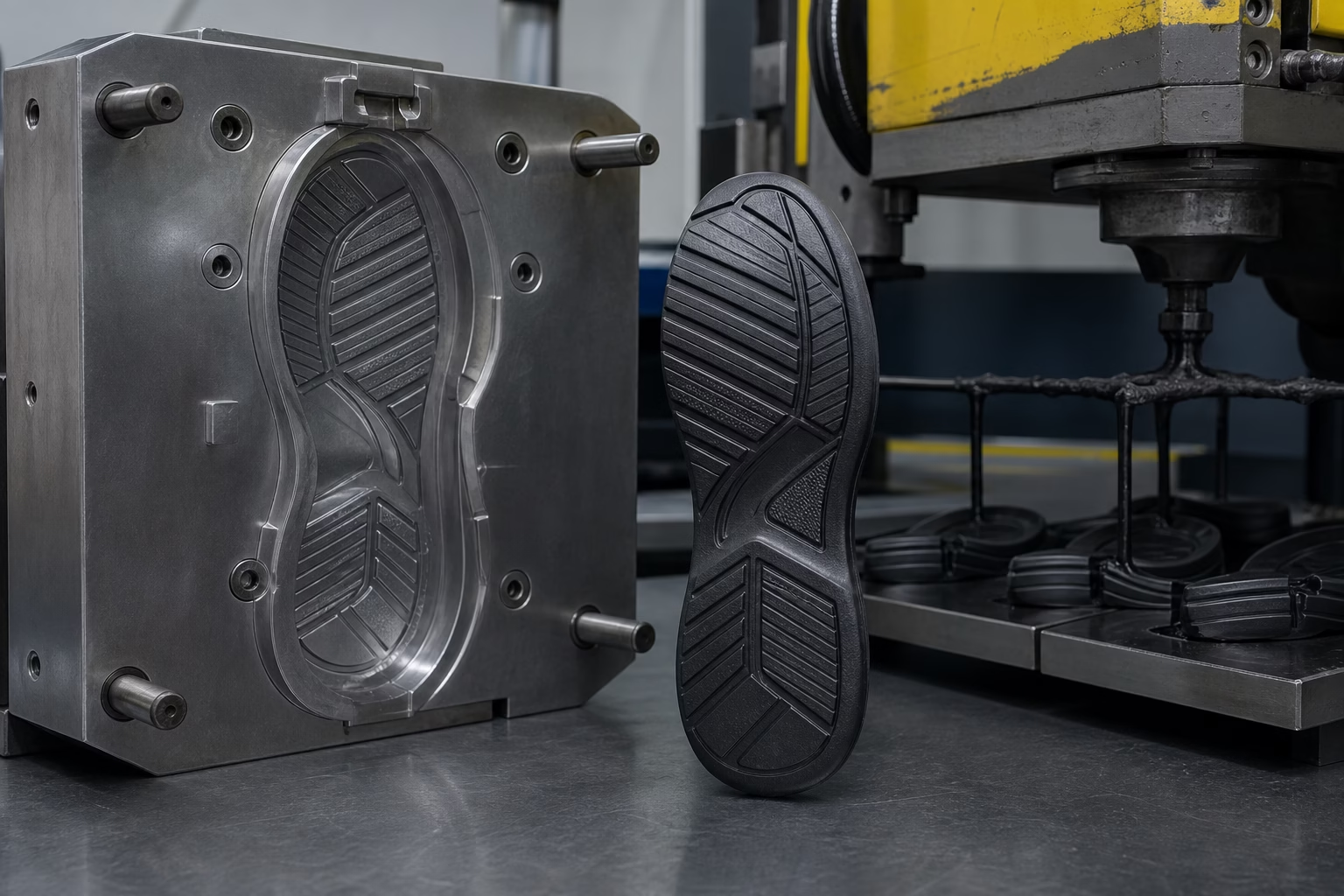
Mould status determines a major branch in the development plan. A project may be assessed against an existing mould, or it may require new outsole mould development. The correct route cannot be assumed from artwork alone. For an existing-mould route, the project information still needs to be checked against the intended outsole, material, size coverage and sample requirement. For a new-mould route, the agreed product information becomes the basis for a separate mould assessment. This service connects the mould decision to the wider development workflow, but mould opening has its own technical and commercial review. Buyers who need details about new tooling can follow the dedicated outsole mould opening service . Confirming the mould route early reduces the risk of building a quotation or sample request around the wrong assumption. It also identifies which information must remain fixed before the next stage begins.
Define Outsole Testing Needs Before Sampling
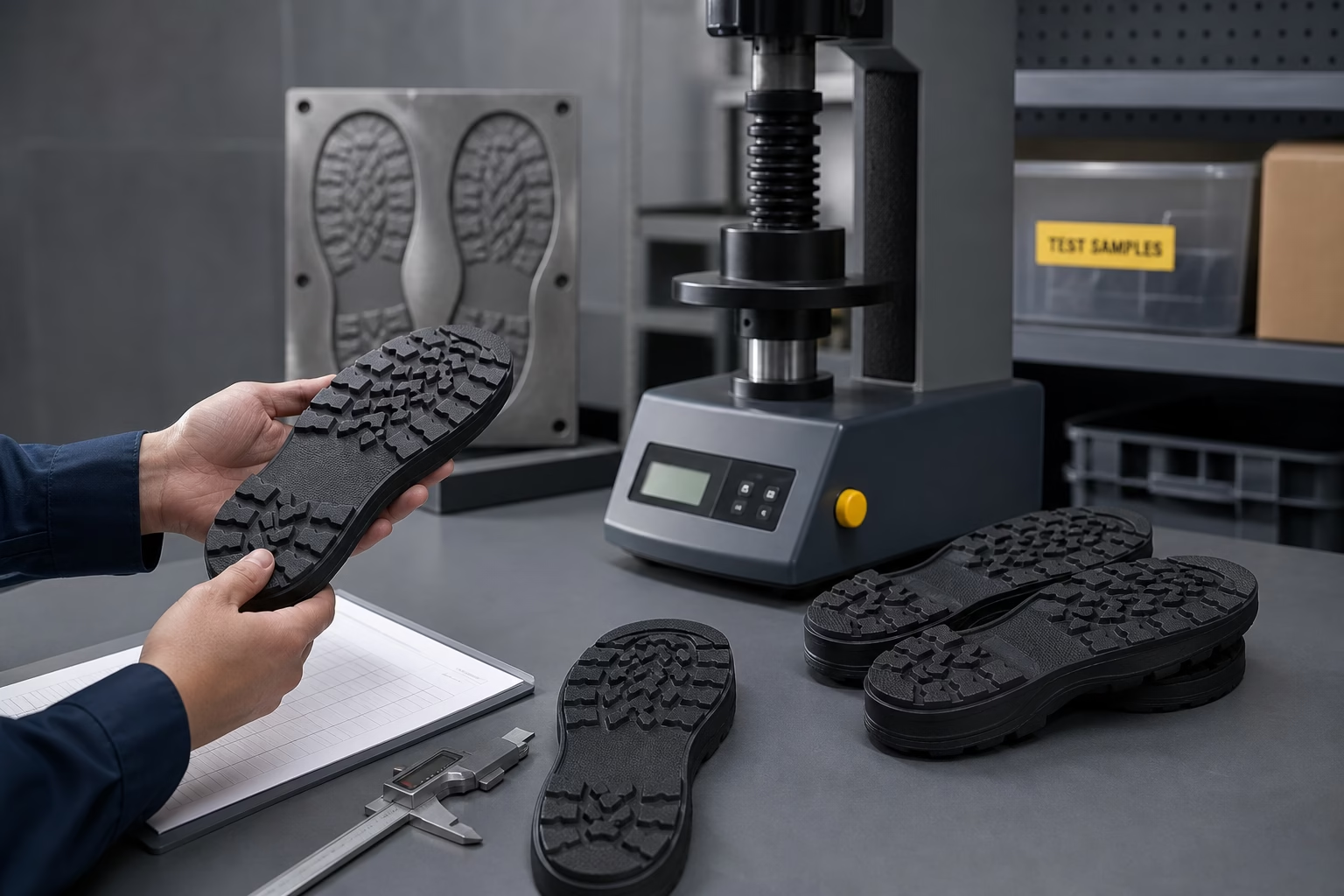
Testing requirements should be stated before quotation and sample development. Early definition allows the material route, sample basis and acceptance record to reflect the buyer’s product and market requirements. Physical test support can include slip resistance, abrasion resistance, colour fastness to yellowing and light fastness. Chemical testing can address REACH compliance. The relevant test items depend on the individual project and must be confirmed rather than treated as a blanket certification or universal performance claim. A useful testing brief identifies the required test item and any project-specific method, acceptance criteria or document expectations supplied by the buyer. If these details are not yet known, they should remain open for review instead of being assumed. Testing and inspection serve different purposes. Testing evaluates declared physical or chemical requirements. Production quality control can include incoming material inspection, first-article review, in-process checks and final inspection. These controls support the agreed project basis but do not replace a clearly defined testing requirement. For a more detailed planning framework, see our guide to outsole testing requirements .
Use Sample Approval as the Project Decision Gate
An outsole sample gives the buyer a physical basis for checking the agreed development specification. Approval is the decision gate between development and the next stage of bulk production planning. Before review, both parties should understand which acceptance points apply. These may include: Approval should refer to an identifiable sample and specification. A general confirmation without a clear revision can create uncertainty when later production information is prepared. If the sample requires a change, the affected material, colour, size, mould or test fields should be updated before another decision is recorded. Sampling routes and timing depend on whether an existing mould or new mould is involved. Those details are covered on our footwear sample development and approval page.
The Agreed Outsole Material and Construction Reference;
The Specified Colour and Visual Details;
The Sample Size and Its Relationship to the Required Size Run;
Appearance Against the Agreed Artwork or Physical Reference;
Declared Physical or Chemical Testing Requirements; And
The Correct Design Revision and Mould Route.
Custom Outsole Development Questions
The starting reference is first connected to the product scope, material, colour, size run, mould status and testing needs. These agreed details form the sample basis. The buyer then checks the sample against the recorded specification and confirms approval or required revisions. Send the product type, available artwork or reference, quantity, size run, proposed material or process, colour, destination, required schedule and any testing requirements. Packaging information should also be included when it affects the quotation. We can review custom projects involving TPR, RB rubber, MD Phylon, PU and ETPU combined outsoles. The proposed material is assessed as part of the overall design, construction, mould and test brief. The mould route is confirmed through project review. The intended outsole design, material, size coverage and available mould information must be considered together. Projects requiring new tooling are directed to the separate mould opening route. Declare physical or chemical testing requirements before quotation and sampling. This allows the test items to be connected to the correct material, colour, sample and acceptance basis rather than added after key development decisions have been made. Confirm the material and construction reference, colour, relevant size coverage, appearance, design revision, mould route and declared testing requirements. The approval should identify the sample and specification being accepted.
How Does Development Move from Artwork or a Reference to an Approved Sample?
The starting reference is first connected to the product scope, material, colour, size run, mould status and testing needs. These agreed details form the sample basis. The buyer then checks the sample against the recorded specification and confirms approval or required revisions.
What Should I Send for an Initial Outsole Project Review?
Send the product type, available artwork or reference, quantity, size run, proposed material or process, colour, destination, required schedule and any testing requirements. Packaging information should also be included when it affects the quotation.
Which Material Routes Can WENCHANG Review?
We can review custom projects involving TPR, RB rubber, MD Phylon, PU and ETPU combined outsoles. The proposed material is assessed as part of the overall design, construction, mould and test brief.
How Do I Know If a New Outsole Mould Is Required?
The mould route is confirmed through project review. The intended outsole design, material, size coverage and available mould information must be considered together. Projects requiring new tooling are directed to the separate mould opening route.
When Should Testing Requirements Be Defined?
Declare physical or chemical testing requirements before quotation and sampling. This allows the test items to be connected to the correct material, colour, sample and acceptance basis rather than added after key development decisions have been made.
What Must Be Confirmed Before Sample Approval?
Confirm the material and construction reference, colour, relevant size coverage, appearance, design revision, mould route and declared testing requirements. The approval should identify the sample and specification being accepted.
Submit Your Outsole Requirements for Project Review
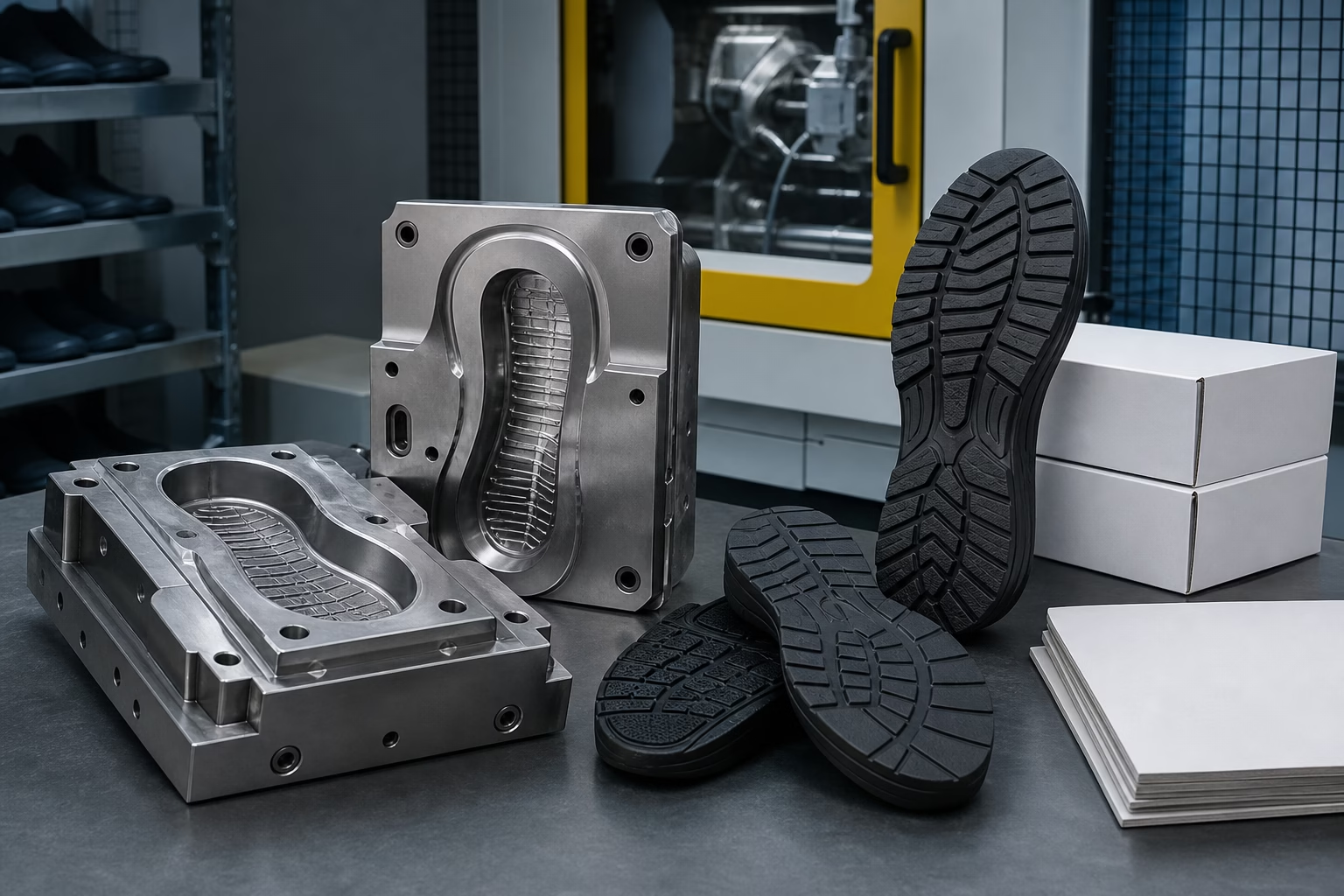
Send your artwork, reference or current specification so we can connect the material, colour, size run, mould route, testing needs and sample approval plan. A complete brief gives both parties a clearer basis for development and a project-specific quotation. Start an outsole development brief
FAQ
Frequently Asked Questions
Keep a Development Record Through Quotation Handoff
WENCHANG provides one-to-one project follow-up covering artwork, samples, production updates, inspection and shipment tracking. During development, this coordination keeps the current specification, open questions and sample approval status connected. The development record should show the active artwork or reference, selected material route, colour requirement, size run, mould status, declared tests and latest sample decision. This creates a clear handoff when the project is ready for quotation and later planning. For an accurate quotation review, provide the following information: Not every project begins with every field confirmed. Clearly identify any open decisions so they can be reviewed before they affect mould work, sampling or quotation accuracy.