Custom Footwear Outsoles Made to Project Specifications
Jinjiang WENCHANG Footwear Materials Co., Ltd. Supplies custom footwear outsoles for brands and footwear factories with defined B2B projects. Development can begin from approved artwork, a technical drawing, a product reference, material requirements, colours, size information and other documented specifications. WENCHANG reviews the project information, identifies the applicable material and mould route, prepares samples and coordinates approved requirements toward bulk production. Available outsole routes include TPR, RB rubber, MD Phylon, PU and ETPU combined outsoles. Submit the footwear type, artwork or reference, expected quantity, size run and other core specifications for assessment. The completed brief provides the basis for reviewing feasibility, planning mould and sample requirements, and preparing a project-specific quotation.
When a Custom Outsole Project Is the Right Route
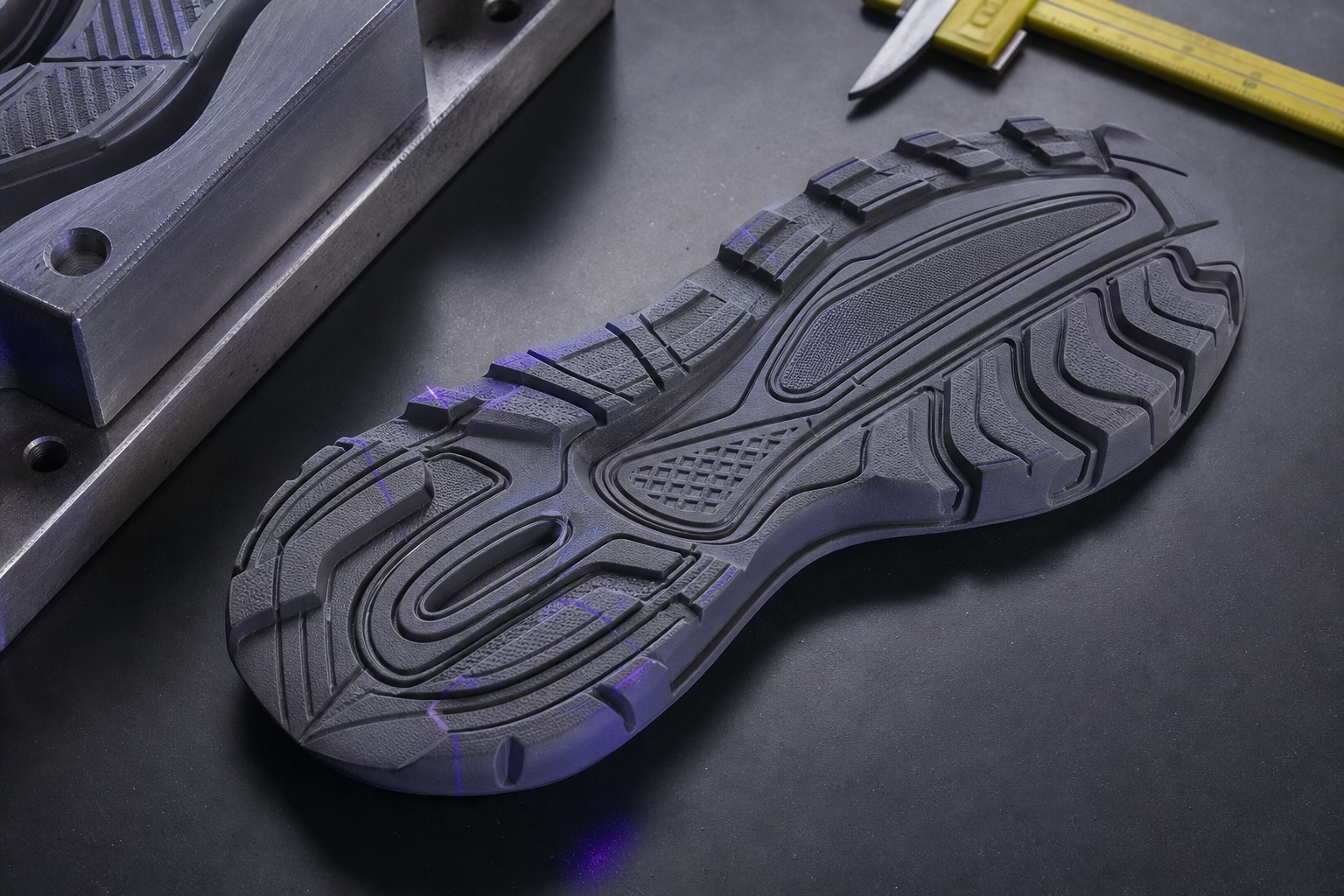
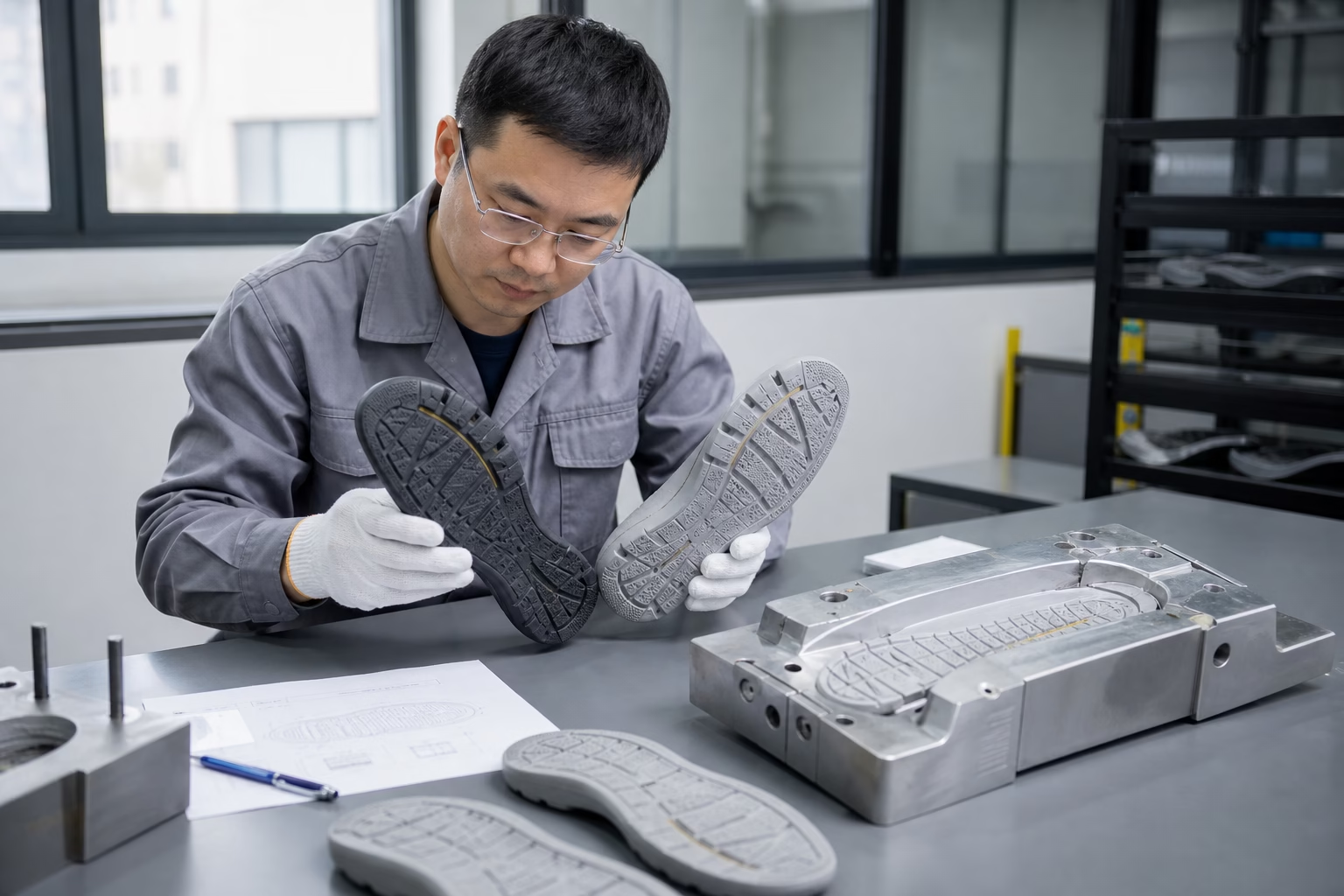
A custom outsole is a footwear component reviewed and supplied against documented project requirements. It is suitable when a standard, unspecified outsole cannot meet the design information provided by the buyer. Jinjiang WENCHANG Footwear Materials supplies made-to-order outsoles for footwear brands and factories that need the component matched to artwork, references, colours, size information and production requirements. A project can begin at different stages. You may already have complete artwork, a reference outsole, an existing mould or only part of the required specification. Customization is subject to a feasibility review. We do not assume that every drawing, material, colour or mould can move directly into sampling. The first task is to establish what is defined, what still needs confirmation and which development route applies. If you are still comparing outsole categories and materials, review our footwear outsole range before choosing a custom route.
Define the Outsole Specification Before Development
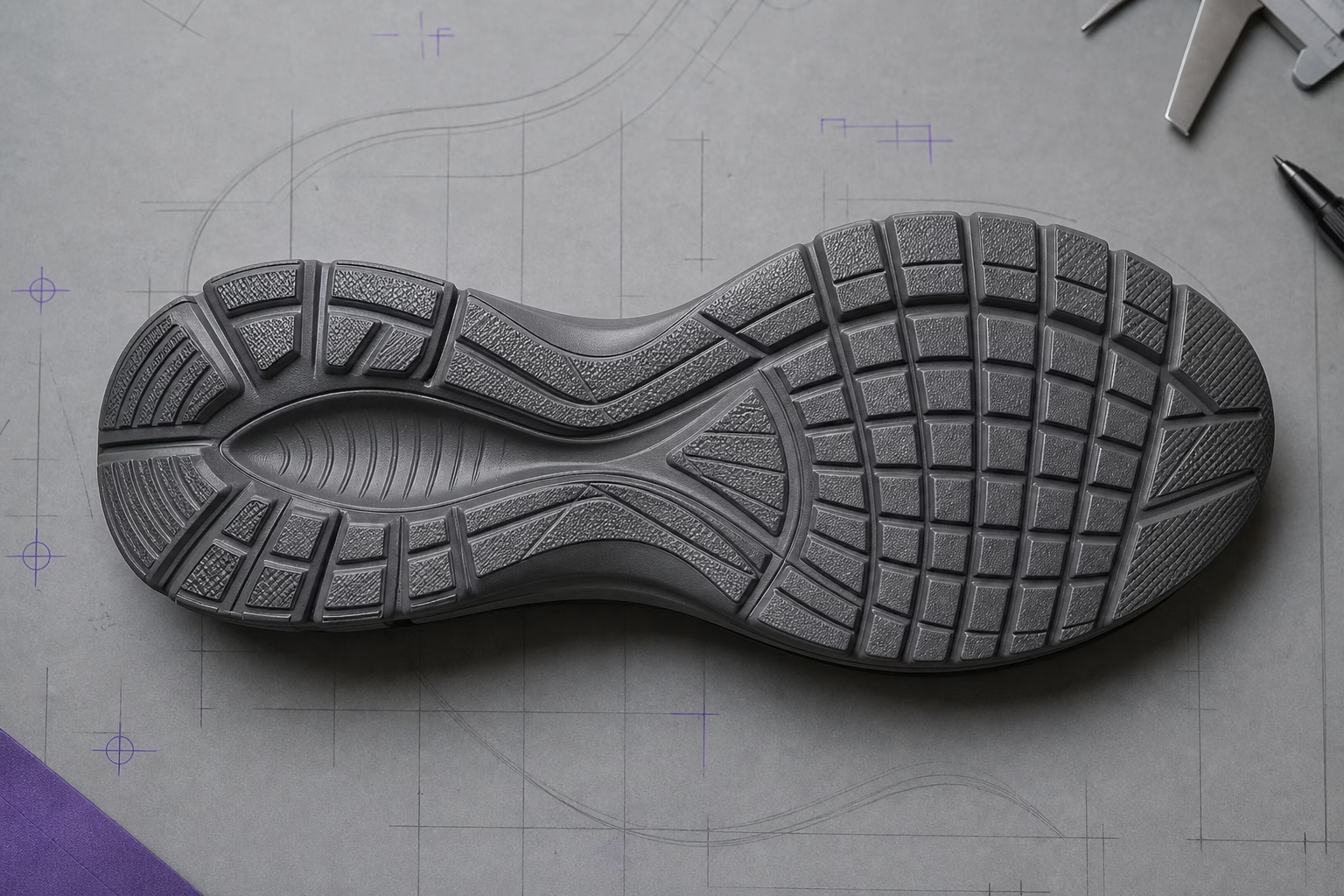
A useful project brief connects the outsole design with the intended order and production conditions. Complete information reduces avoidable questions during artwork review, mould planning and sampling. Each field is reviewed as part of the complete brief. Providing a value does not by itself confirm technical feasibility. For example, a proposed material must still be considered alongside the design, mould status and stated production requirements.
Select a Material Route for Supplier Review
Our custom outsole supply scope covers five verified routes: TPR, RB rubber, MD Phylon, PU and ETPU combined outsoles. The material should be identified in the project brief when the choice has already been made. If the material has not been selected, send the footwear design, reference and required test information for review. Material suitability cannot be decided from the product name alone. It must be considered in relation to the design, process, mould and acceptance requirements.
TPR:
Submit TPR as the proposed material when it is specified in the artwork or development brief.
Identify RB rubber clearly so the request can be reviewed within the correct material route.
MD Phylon:
State MD Phylon together with the relevant design and size information.
PU:
Include PU as a defined material requirement rather than relying only on the visual reference.
Describe the proposed combined outsole and provide the available construction information.
Prepare Artwork and Reference Information for Review
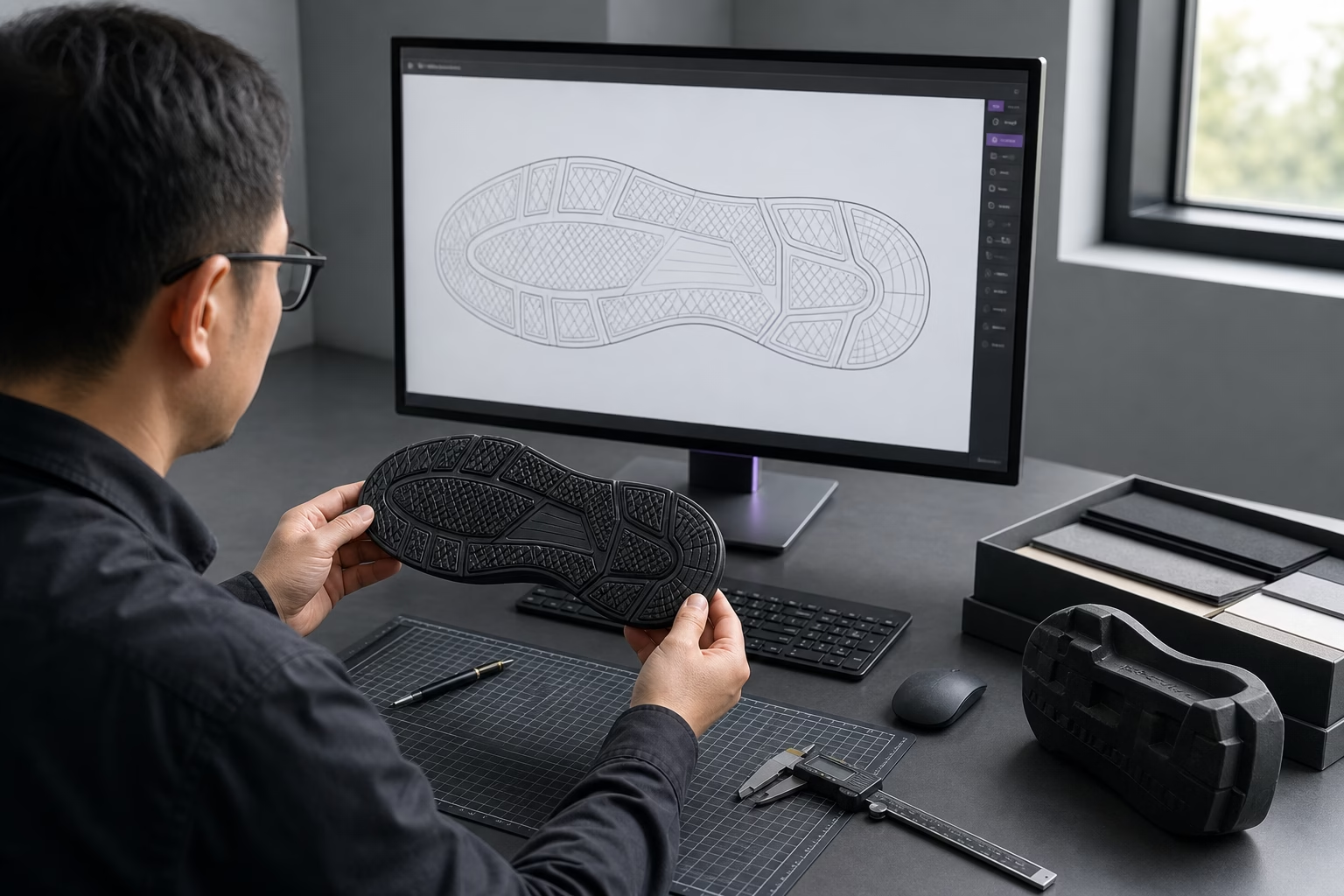
An outsole project can begin with artwork, a technical drawing or a physical or visual reference supported by written specifications. The reference shows the intended direction, while the written information defines the requirements that cannot be confirmed from an image alone. Your submission should identify the footwear type, intended sizes, colours and proposed material or process. Include any available information about how the outsole relates to the footwear design. File names, drawing versions and clear notes can also help keep the correct information connected during project follow-up. Artwork review is an assessment step, not automatic design approval. We use the submitted information to identify open questions and determine whether the project can proceed to a mould or sample route. Detailed file and reference requirements are available through our footwear artwork review service .
Choose the Correct Mould Route
Mould status changes how a custom outsole project is assessed and planned. Tell us which of the following situations applies when you submit the initial brief. The selected route affects the feasibility questions, development work and sample plan. Mould costs, ownership conditions and project timing must be confirmed for the specific enquiry rather than assumed from the route name.
An Existing Mould Is Available:
Identify the mould and provide the corresponding outsole specification. Availability alone does not confirm that it matches the requested design, material, sizes or production setup.
A New Mould Is Required:
Supply the artwork, size run, material or process and related project information for assessment. See the separate outsole mould opening service for the detailed route.
The Customer Owns the Mould:
State that the tooling is customer-owned and provide the available mould information. Compatibility and project fit must be reviewed before sampling or production planning.
Use the Sample as the Approval Reference
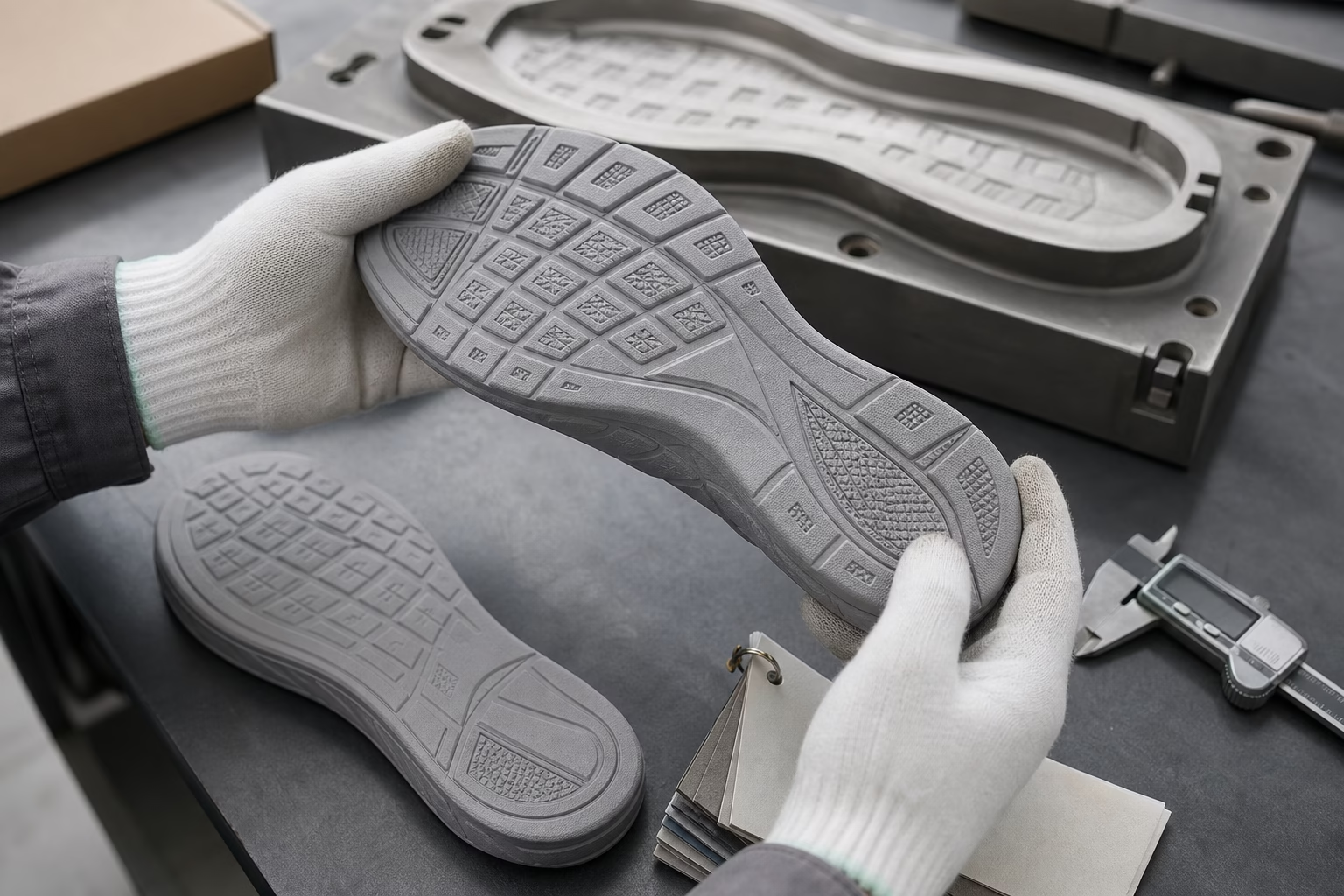
Sampling creates a physical basis for checking the outsole against the agreed project information before bulk production planning. The sample should be assessed against documented requirements rather than general visual expectations. The review basis may include the confirmed material or process, colour, size information and details shown in the agreed artwork or reference. If physical or chemical testing is required, identify the relevant test items before the sample route is confirmed. Record review comments clearly and identify the artwork or specification version to which they apply. An approved sample then provides the project reference for the next production discussion. For sample-route requirements, use our footwear sample development and approval information.
Align Inspection and Testing with the Specification
Our quality-control process includes incoming material inspection, first-article review, in-process checks and final inspection. These stages provide control points from material receipt through completed product review. Supported physical test requirements may include slip resistance, abrasion resistance, colour fastness to yellowing and light fastness. Chemical requirements may include REACH testing support. Test methods, acceptance criteria and evidence needs vary by project, so they must be stated before quotation and development. Testing support does not mean that one result, threshold or compliance statement applies to every outsole. The test requirement must be matched to the product, material and buyer specification.
Incoming Material Inspection
Checks materials before they enter the production process.
First-Article Review
Assesses an initial production result before continued production.
In-Process Checks
Provide inspection points while production is underway.
Final Inspection
Reviews completed products before the order proceeds to its next stage.
What to Include in a Custom Outsole RFQ
A complete request allows us to assess the specification, mould route, sample plan and production requirements together. Include the following information in your enquiry: Our one-to-one project follow-up can cover artwork, samples, production updates, inspection and shipment tracking. This keeps the project information connected as it moves between review, approval and production-related stages.
Product Type and Intended Footwear Project
Artwork, Drawing or Physical or Visual Reference
Expected Quantity
Required Size Run
Proposed Material or Process
Colour Requirements
Packaging Requirements
Destination
Required Schedule
Physical or Chemical Testing Requirements, When Applicable
Questions About Custom Outsole Supply
Provide the product type, artwork or reference, quantity, size run, material or process, colour, packaging, destination and required schedule. Add any physical or chemical testing requirements that apply to the project. Yes. We can begin the review from artwork, a drawing or a physical or visual reference supported by written specifications. The information is assessed to identify the material, mould and sample route; submission does not mean the design is automatically approved. An existing mould may provide a starting route, but its fit with the requested outsole still requires review. A new design may require mould opening. Customer-owned tooling also requires compatibility assessment before a sample or production plan can be confirmed. WENCHANG supplies TPR, RB rubber, MD Phylon, PU and ETPU combined outsoles. State your proposed material when known. If it is not confirmed, send the available design, process and testing information for review. Yes. Bulk production is part of our verified service scope. The production route is considered after the project specifications and sample basis have been established. Final requirements remain specific to the design, quantity and actual style. State required test items before quotation and development. Early confirmation allows physical or chemical testing needs to be considered alongside the material, sample and production requirements rather than added after key decisions have been made.
What Information Should I Provide for Custom Footwear Outsoles?
Provide the product type, artwork or reference, quantity, size run, material or process, colour, packaging, destination and required schedule. Add any physical or chemical testing requirements that apply to the project.
Can an Outsole Project Begin with Artwork or a Reference Sample?
Yes. We can begin the review from artwork, a drawing or a physical or visual reference supported by written specifications. The information is assessed to identify the material, mould and sample route; submission does not mean the design is automatically approved.
How Do Existing, New and Customer-Owned Moulds Change Development?
An existing mould may provide a starting route, but its fit with the requested outsole still requires review. A new design may require mould opening. Customer-owned tooling also requires compatibility assessment before a sample or production plan can be confirmed.
Which Materials Can Be Reviewed for a Custom Project?
WENCHANG supplies TPR, RB rubber, MD Phylon, PU and ETPU combined outsoles. State your proposed material when known. If it is not confirmed, send the available design, process and testing information for review.
Can WENCHANG Support Bulk Outsole Projects After Approval?
Yes. Bulk production is part of our verified service scope. The production route is considered after the project specifications and sample basis have been established. Final requirements remain specific to the design, quantity and actual style.
When Should Testing Requirements Be Confirmed?
State required test items before quotation and development. Early confirmation allows physical or chemical testing needs to be considered alongside the material, sample and production requirements rather than added after key decisions have been made.
Submit Your Outsole Design for Project Review
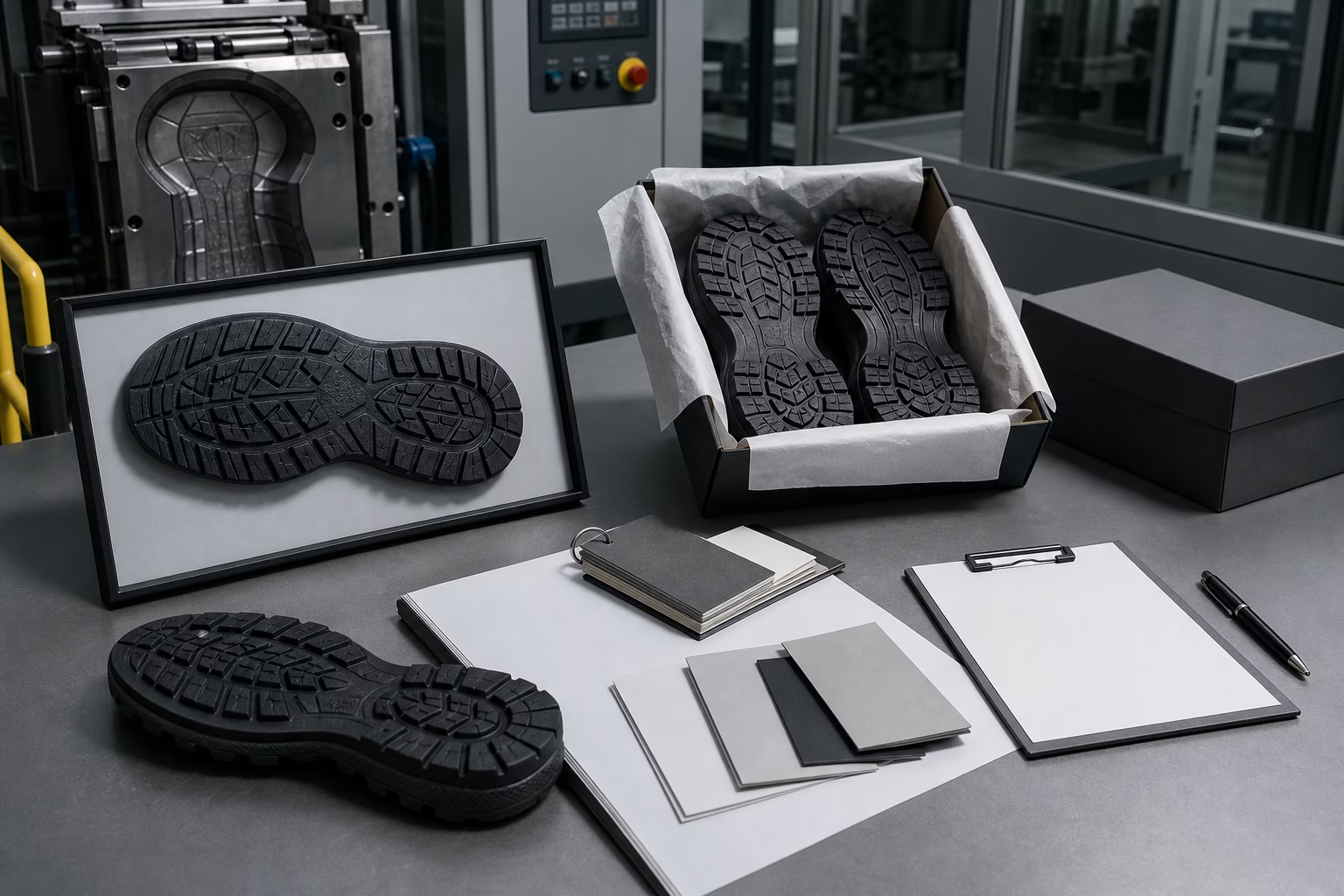
Send the available artwork or reference together with the product, size, material, quantity, packaging, destination, schedule and testing details. We will use the complete brief to review the custom specification and identify the relevant mould and sampling route. Start a custom outsole enquiry
FAQ
Frequently Asked Questions
Start Your Project
Discuss Your Footwear or Outsole Project
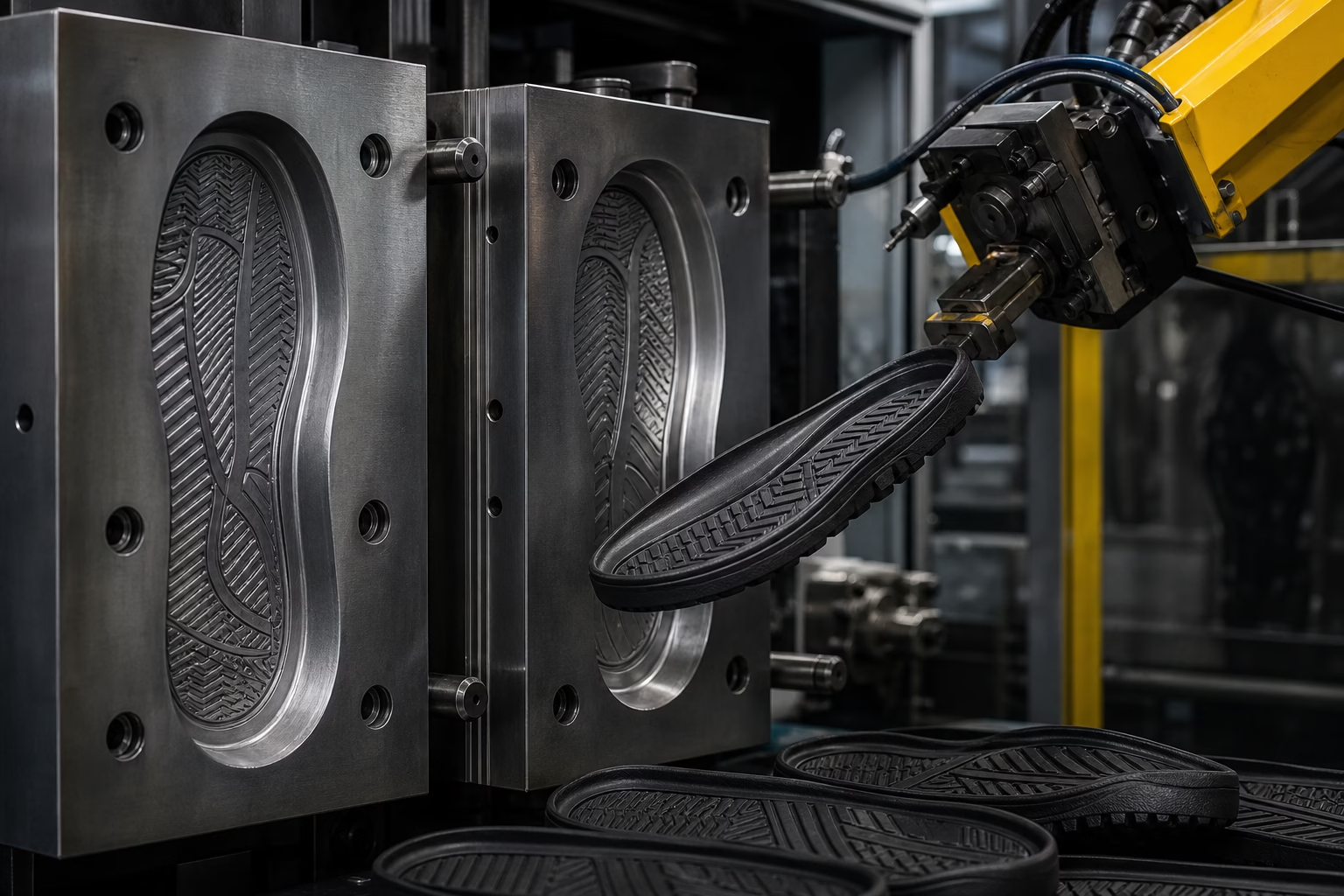
Share the product type, artwork or reference, material or process, mould status, size run, quantity, colour, packaging, destination and testing requirements. The WENCHANG team will review the appropriate sourcing and development route.