Footwear Outsoles for Custom and Bulk Orders
Jinjiang WENCHANG Footwear Materials Co., Ltd. Supplies TPR, RB rubber, MD Phylon, PU and ETPU combined outsoles for B2B footwear projects. We support shoe factories and footwear brands with material selection, custom development, sampling and bulk production planning. The suitable route depends on your design, construction, size run, mould status and testing requirements.
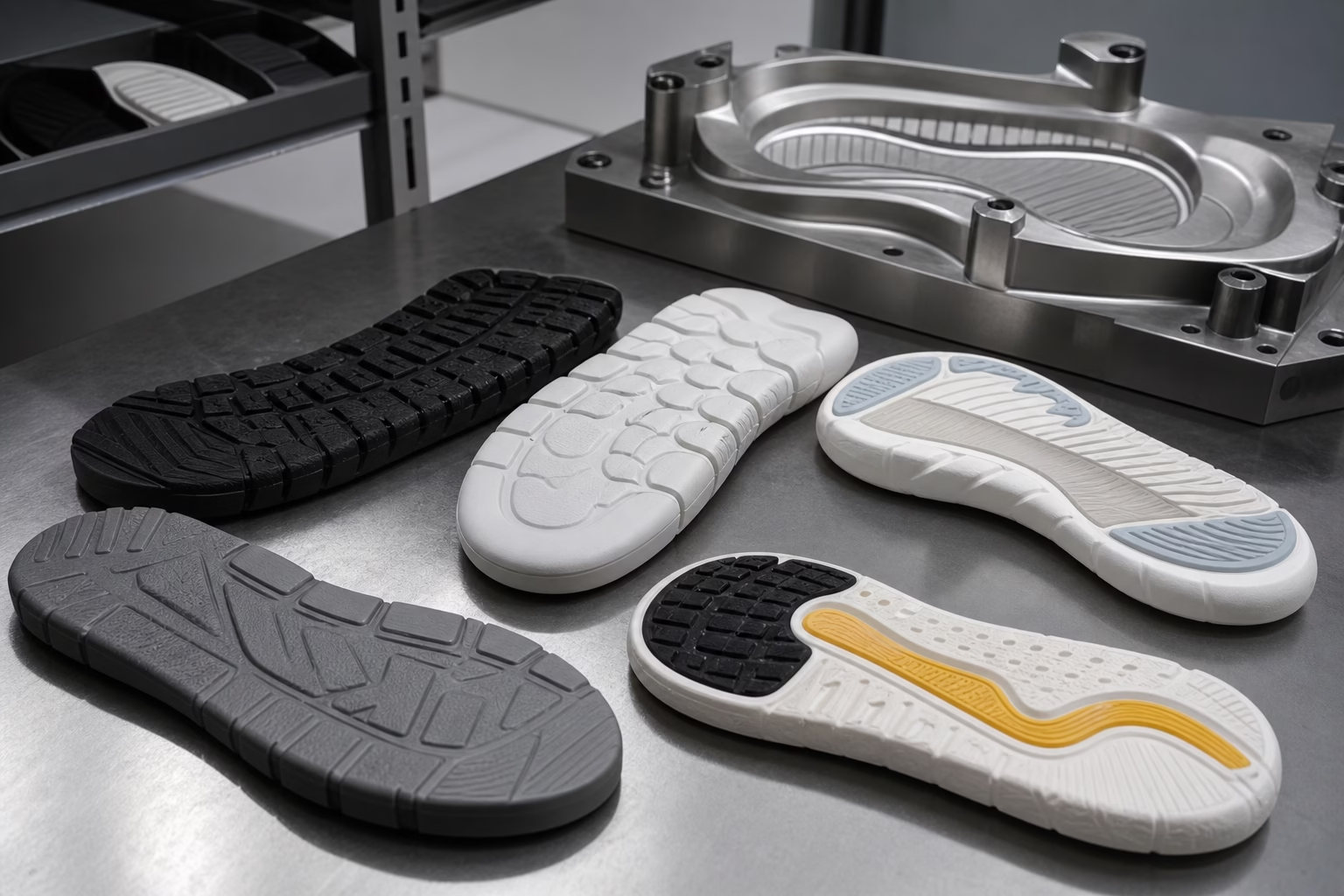
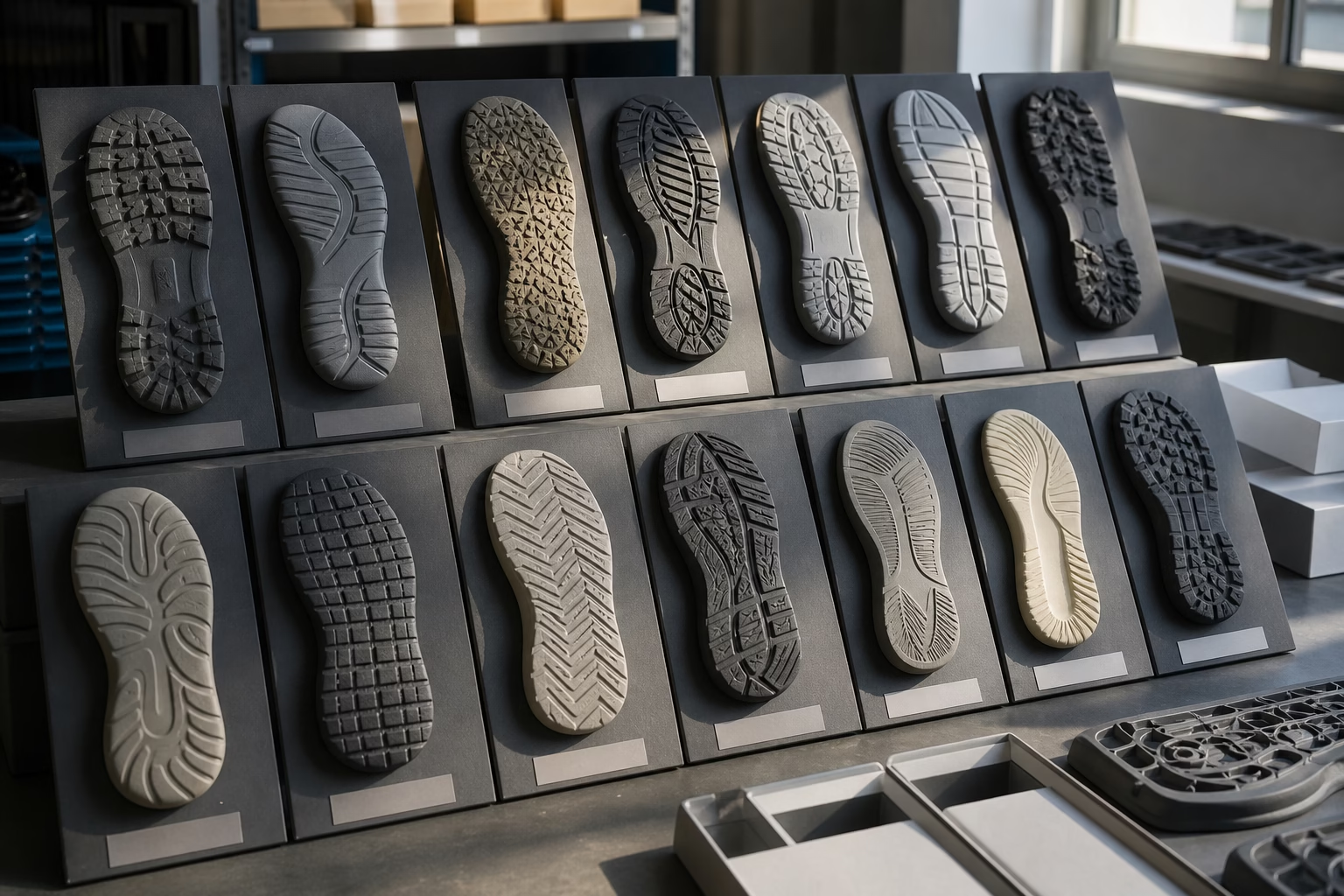
Outsole Options for Defined Footwear Projects
We supply outsoles as components for footwear development and production. The available families are TPR outsoles, RB rubber outsoles, MD Phylon outsoles, PU outsoles and ETPU combined outsoles. Each enquiry is reviewed against the actual product brief. A material name alone is not enough to confirm project fit. The review also needs to consider the outsole structure, design reference, production process, colour, dimensions, size range, mould requirements and requested tests. Jinjiang WENCHANG Footwear Materials connects these outsole options with artwork review, mould opening, sampling, custom packaging and bulk production support. The applicable route is confirmed according to the specification rather than assumed for every design.
Compare the Five Outsole Material Routes
Material selection should begin with the footwear design and required construction. Buyers can use the following comparison to identify which product route needs further technical review. It does not rank materials or assign performance claims without project-specific evidence. If the material has not yet been selected, use our outsole material comparison guide . It provides a neutral framework based on design, process, mould compatibility, testing and sample validation.
TPR
Design reference, intended structure, colour, size run, mould status and testing needs — Review the TPR product and injection production route
Drawing or reference, rubber outsole specification, dimensions, quantity and required tests — Submit the project for RB rubber outsole review
MD Phylon
Footwear design, material requirement, construction, sizes, colour and mould information — Confirm the MD Phylon specification and sample route
PU
Artwork or reference, PU requirement, outsole construction, size range and process details — Request a project-specific PU outsole assessment
Combined structure, material interface, design reference, sizes, colours and mould status — Discuss the complete material combination and development brief
How a TPR Outsole Project Moves into Production
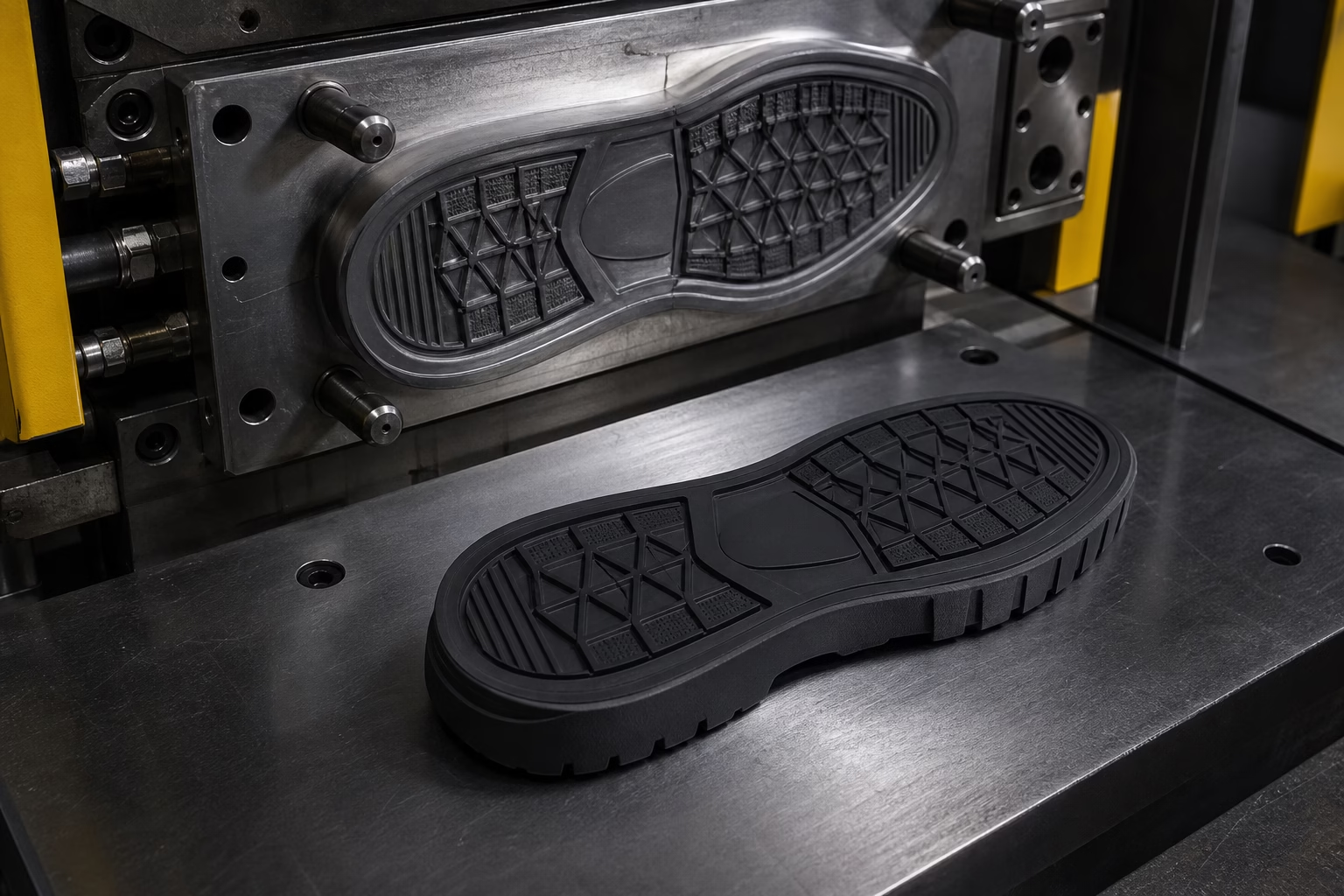
TPR is one of the outsole material families available from WENCHANG. Its verified production sequence covers mould development, material preparation, injection, cooling forming, trimming, quality inspection and packaging. This sequence shows why the design, mould and process details need to be reviewed together. Buyers with a defined requirement can visit our TPR outsole page for the material-specific sourcing route.
The mould route is established from the reviewed project information.
Material Preparation:
TPR material is prepared for the required production setup.
Injection:
The outsole is formed through the injection stage.
Cooling Forming:
The injected outsole is allowed to cool and take its intended form.
Trimming:
The formed outsole moves through trimming after cooling.
Inspection and Packaging:
The product is inspected before the packaging stage.
Review RB Rubber, MD Phylon, PU and ETPU Combined Outsoles
The other four outsole families require their own specification review. We do not assign a fixed footwear use or universal performance benefit based only on the material name. Suitability must be considered against the requested design, construction, production process and test conditions. For an RB rubber outsole enquiry, provide a drawing, physical reference or other clear product information. The material requirement, dimensions, colour, size run, mould status and testing needs should be stated together. Continue to RB rubber outsole sourcing . An MD Phylon project review should connect the footwear design with the proposed outsole construction, required sizes, quantity and mould route. Sample acceptance requirements should also be identified before production planning. Review MD Phylon outsole supply . PU outsole enquiries can begin from artwork, a reference product or defined specifications. The review needs enough information to assess the requested material, form, size range, colour and process. See the PU outsole project route . An ETPU combined outsole brief should identify the complete structure rather than naming ETPU alone. Include the intended material combination, interfaces, design reference, size range, colour and mould information. Explore ETPU combined outsole development .
For an RB rubber outsole enquiry, provide a drawing, physical reference or other clear product information. The material requirement, dimensions, colour, size run, mould status and testing needs should be stated together. Continue to RB rubber outsole sourcing .
An MD Phylon project review should connect the footwear design with the proposed outsole construction, required sizes, quantity and mould route. Sample acceptance requirements should also be identified before production planning. Review MD Phylon outsole supply .
PU outsole enquiries can begin from artwork, a reference product or defined specifications. The review needs enough information to assess the requested material, form, size range, colour and process. See the PU outsole project route .
An ETPU combined outsole brief should identify the complete structure rather than naming ETPU alone. Include the intended material combination, interfaces, design reference, size range, colour and mould information. Explore ETPU combined outsole development .
Choose an Existing-Mould or New-Mould Development Path
Mould status changes the development route. Tell us at the start if the project will use an existing mould, a customer-owned mould or a newly developed mould. We support artwork review, outsole mould opening and sample development. OEM and ODM support may also form part of the project when it matches the requested scope. These services do not mean that every mould or design can move directly into production without review and sample approval. For a made-to-order design, visit custom outsole development by specification .
01
Existing Mould:
Provide the mould reference and matching outsole specification so compatibility and sample requirements can be reviewed.
02
Customer-Owned Mould:
Supply the available tooling information, product details and production requirements for a compatibility assessment.
03
New Mould:
Provide artwork, drawings or a clear reference along with the material, colour, size run, process and test requirements.
Prepare the Information Needed for Bulk Outsole Sourcing
An accurate quotation depends on a complete and consistent brief. Providing the following information reduces avoidable questions and helps us identify the correct material and development route: If some details are still under review, identify which points are confirmed and which require discussion. We can then focus the initial assessment on the unresolved design, material or mould decisions. Buyers with a complete brief can request an outsole quotation .
Product Type and Outsole Family
Artwork, Drawing, Physical Reference or Product Image
Required Quantity and Style Breakdown
Complete Footwear Size Run
Material, Construction and Production-Process Requirements
Colour Specification
Packaging Instructions
Order Destination
Required Project Schedule
Physical or Chemical Testing Requirements
Align Inspection and Testing Requirements Before Sampling
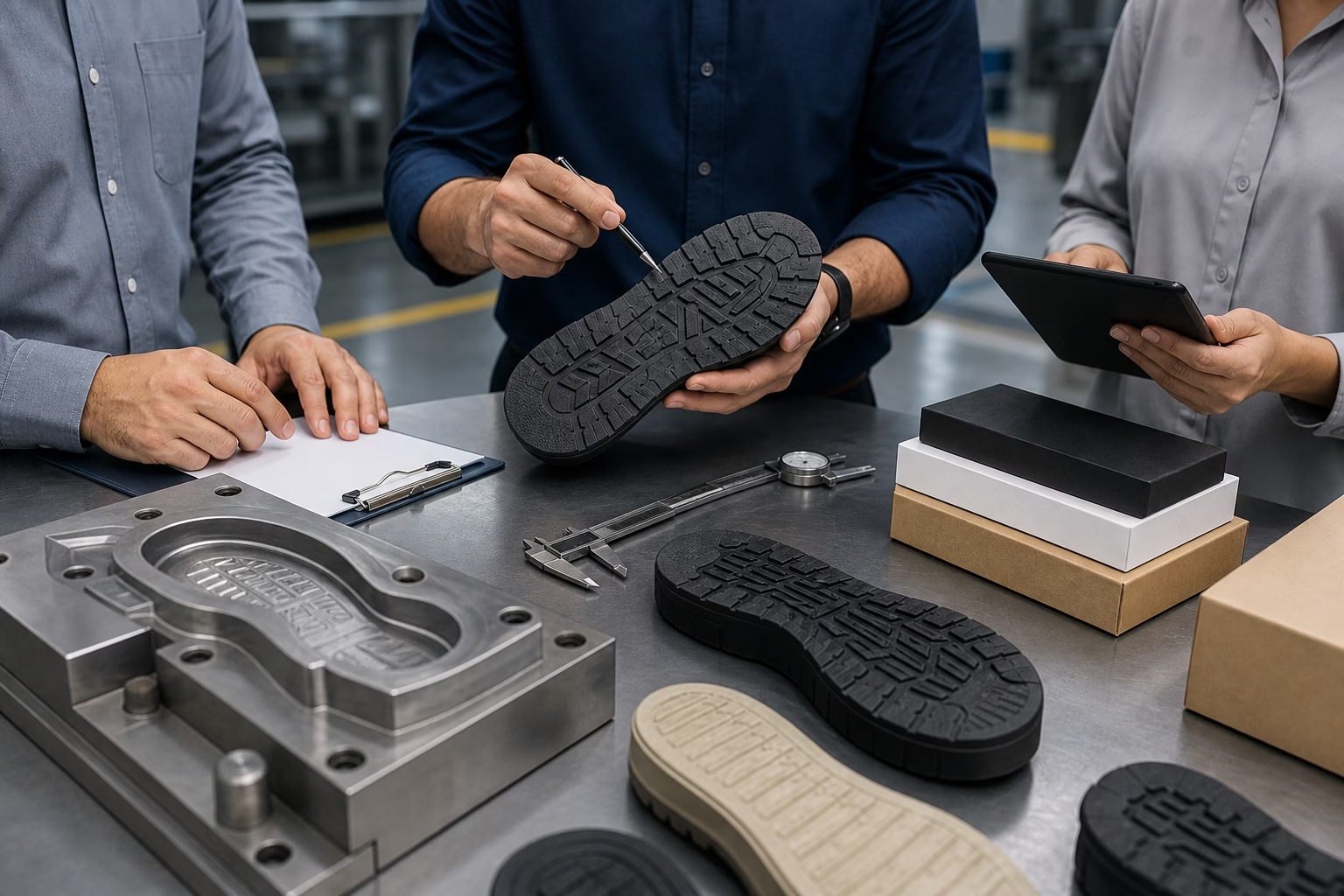
Inspection and testing requirements should be included in the project brief rather than added after the product route has been chosen. WENCHANG uses incoming material inspection, first-article review, in-process checks and final inspection as quality-control stages. The four stages have different roles. Incoming inspection addresses materials before production. First-article review checks the initial production output. In-process checks take place during production, while final inspection applies to completed products. We can support project requirements involving slip resistance, abrasion resistance, colour fastness to yellowing, light fastness and REACH chemical testing. The required test item, method, acceptance criteria and evidence needs should be stated by the buyer. Test support does not represent a blanket certification or a guaranteed result for every outsole specification. When testing affects material selection, mould planning or sample acceptance, include it before quotation. This allows the product brief, sample criteria and production plan to follow the same requirement.
Select the Right Outsole Enquiry Route
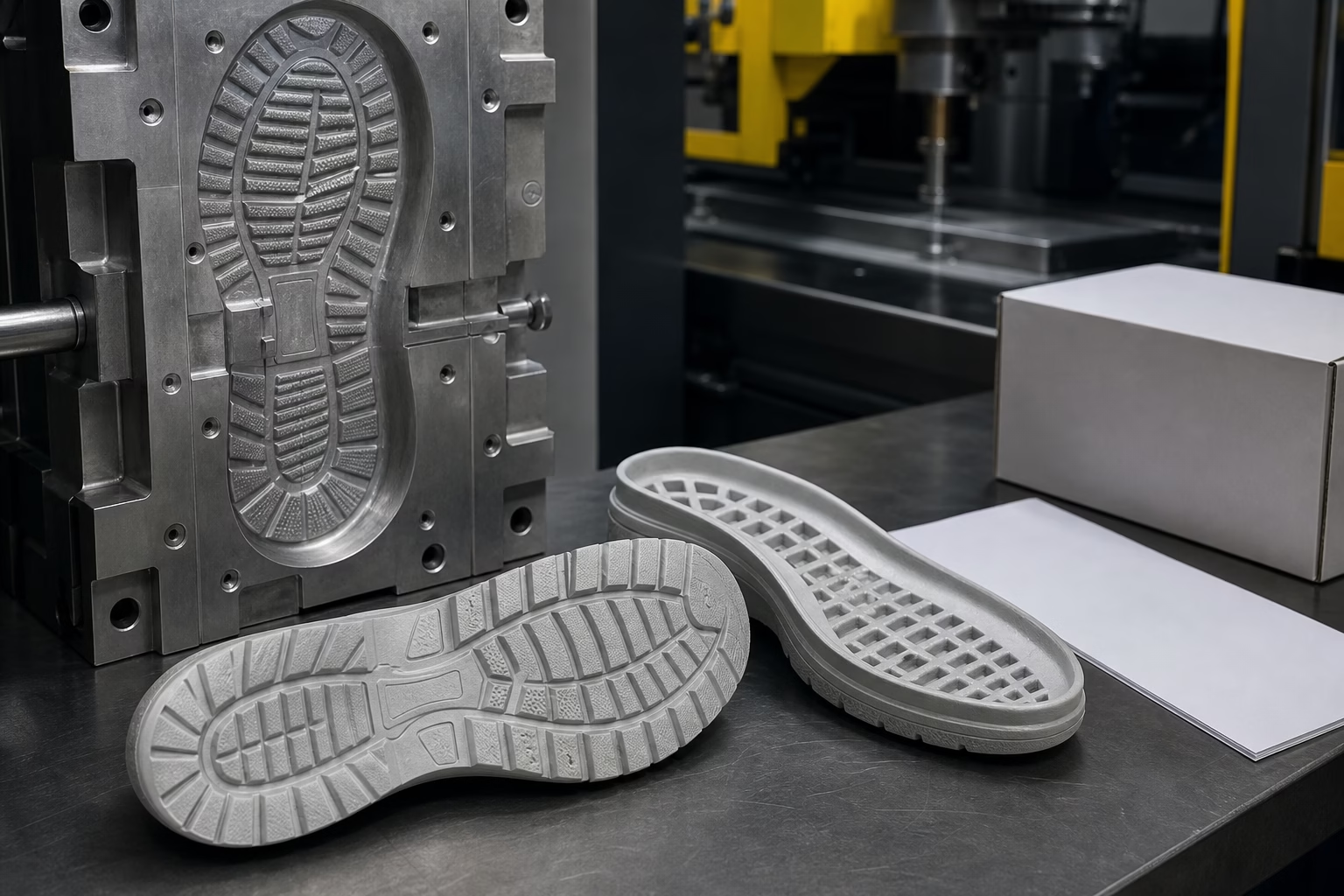
Choose a material page when you already know the outsole family. Use the custom route when the design or mould still needs development. For an initial decision, record the product type, proposed material, design reference, mould status, quantity, size run and testing needs. Compare outsole materials
FAQ
Frequently Asked Questions
Start Your Project
Discuss Your Footwear or Outsole Project
Share the product type, artwork or reference, material or process, mould status, size run, quantity, colour, packaging, destination and testing requirements. The WENCHANG team will review the appropriate sourcing and development route.