Footwear Factory Outsole Sourcing for Planned Production
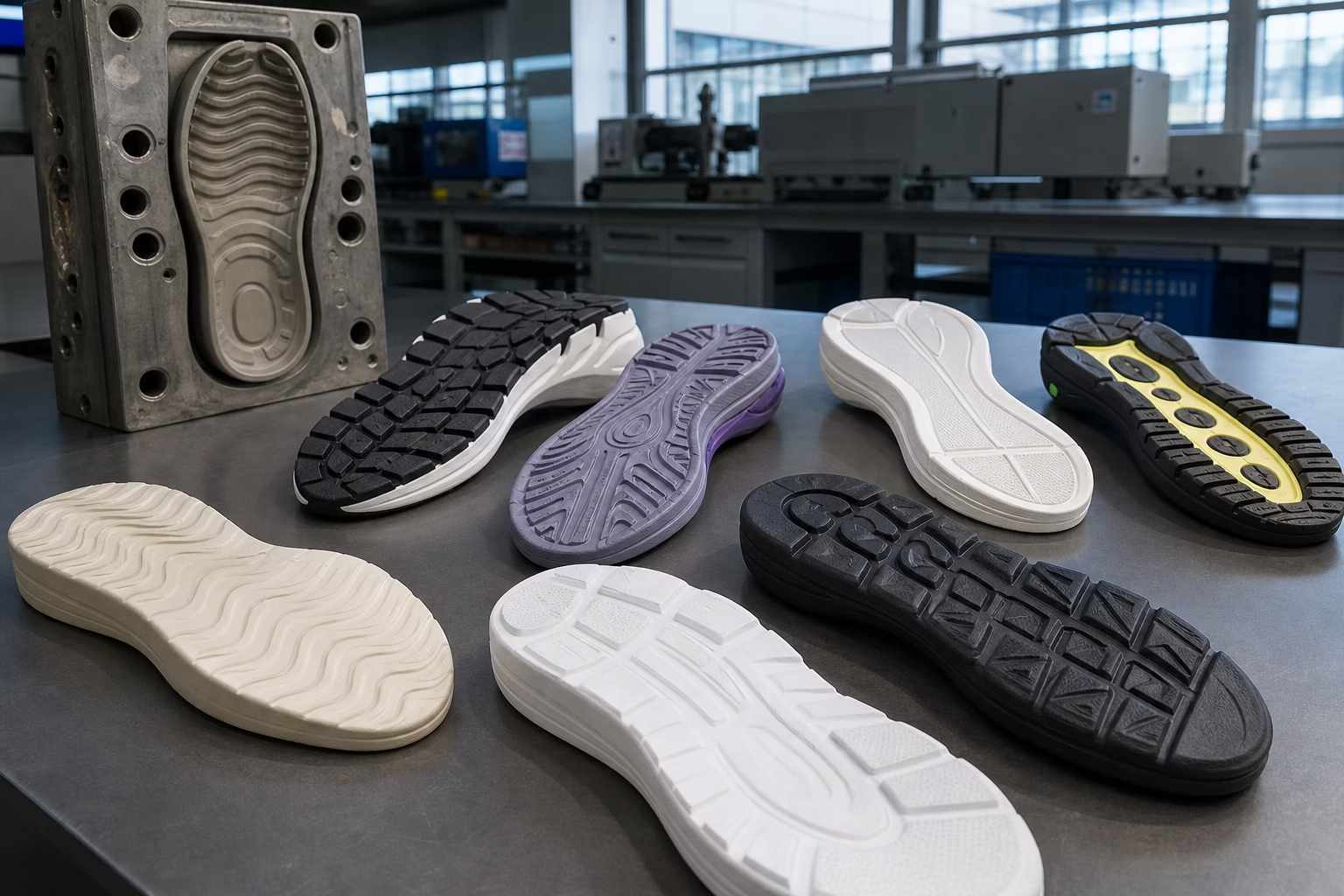
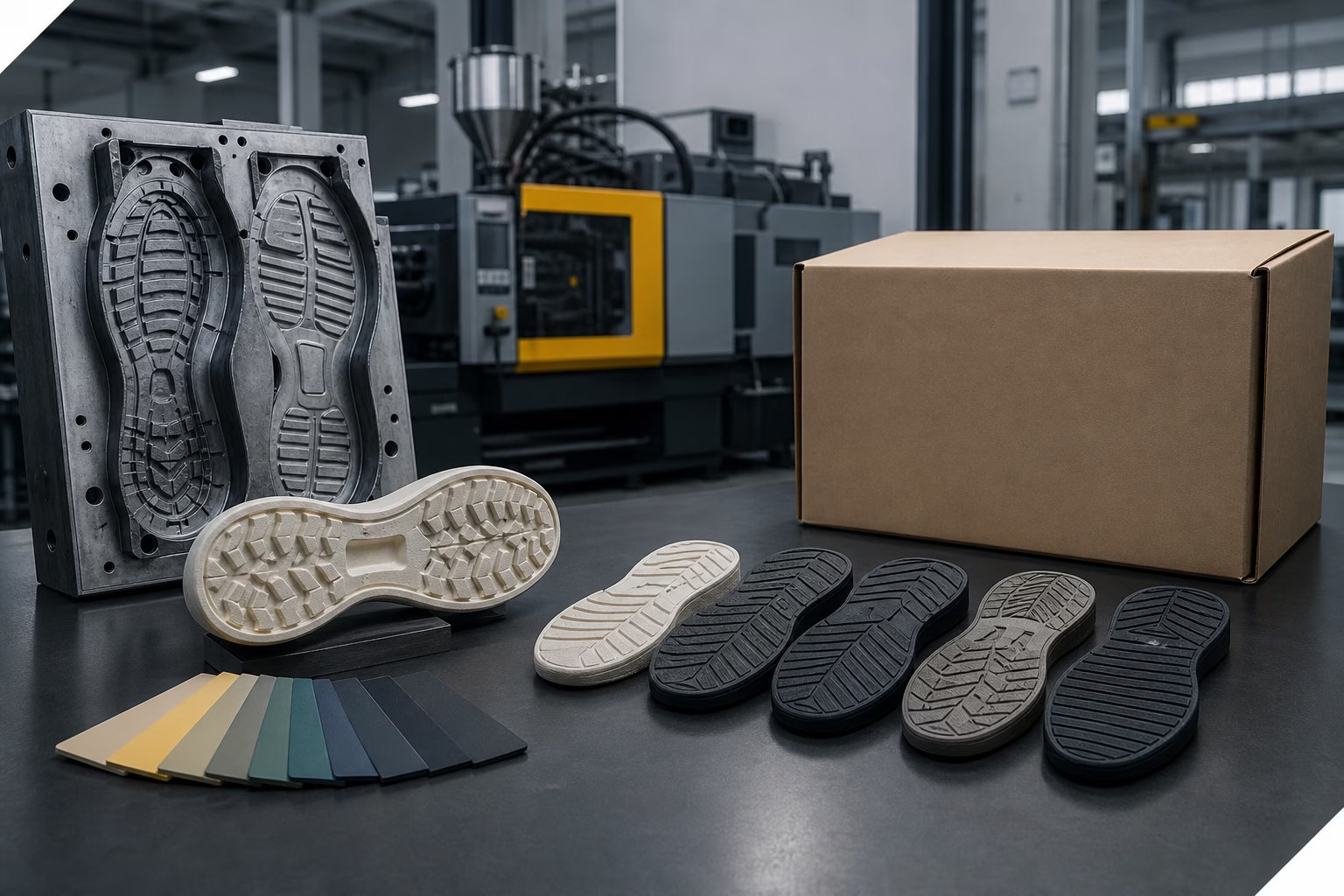
Jinjiang WENCHANG Footwear Materials Co., Ltd. Supplies TPR, RB rubber, MD Phylon, PU and ETPU combined outsoles to footwear factories seeking an external supply partner for scheduled production. Each project is reviewed against the factory’s product specifications and production plan. One-to-one project follow-up covers artwork, samples, production updates, inspection and shipment tracking for approved projects. Purchasing teams can begin by providing the outsole reference, required quantity, production schedule and destination.
Supply Fit
Check the Outsole Supply Route Against Your Factory Programme
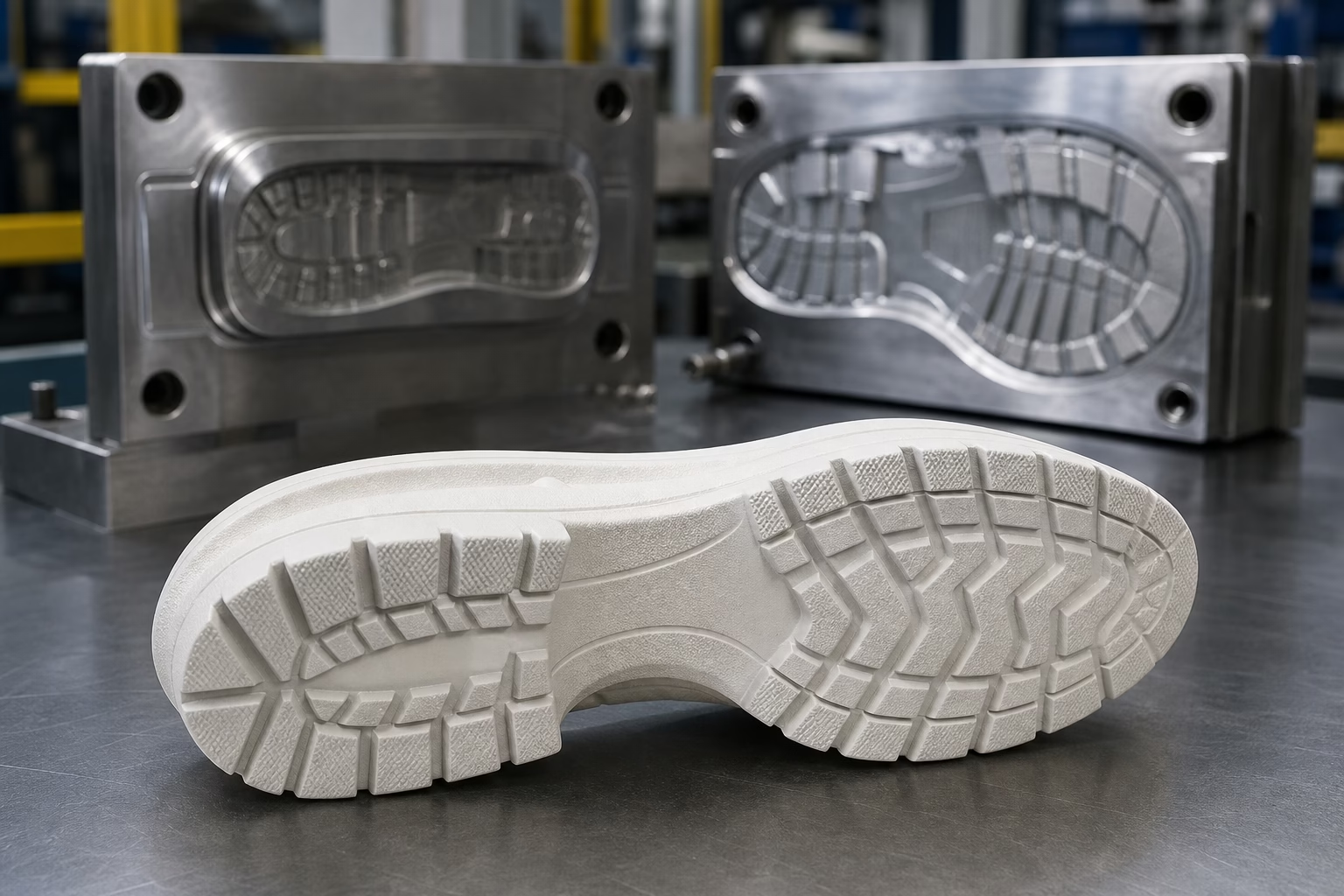
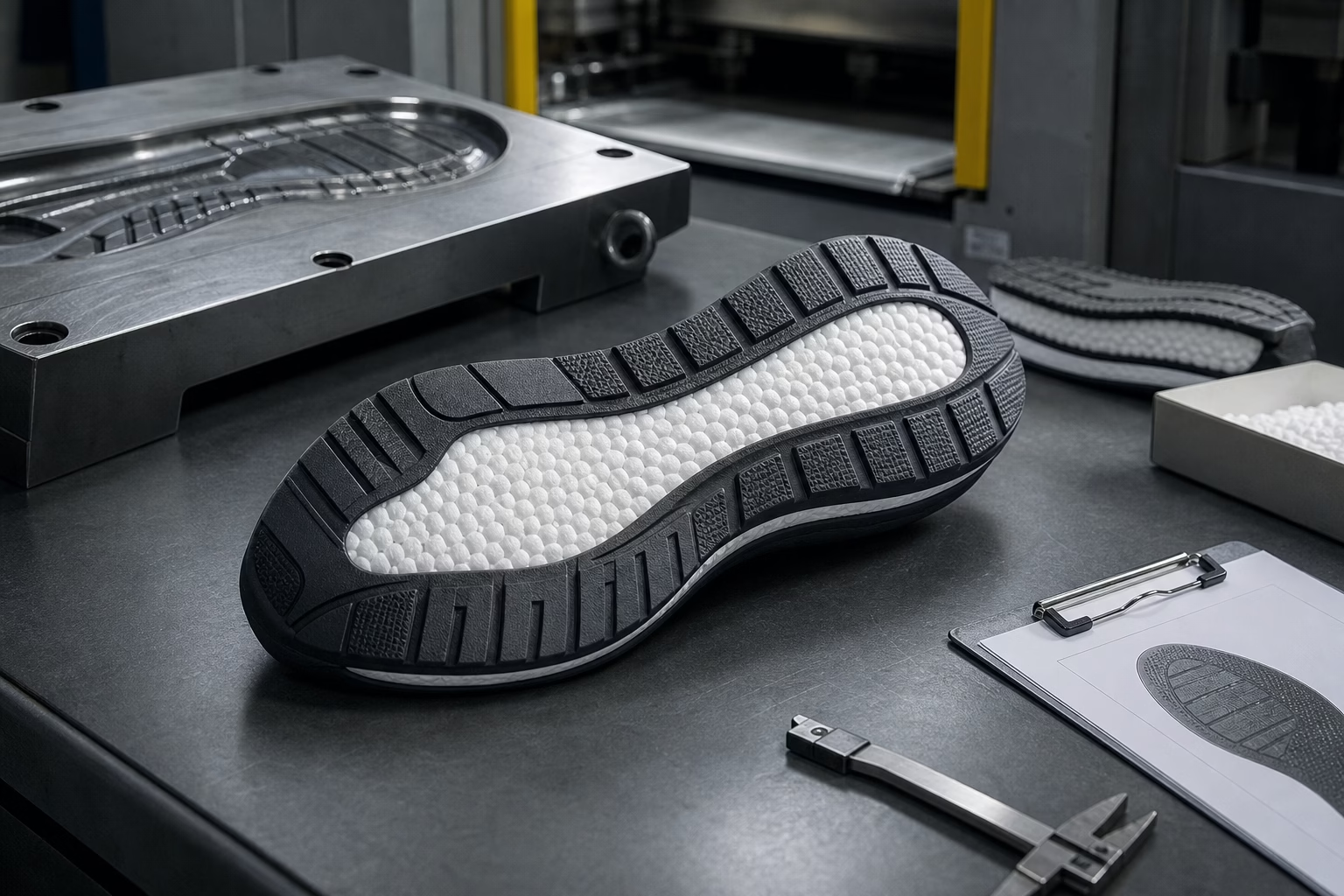
A suitable footwear factory outsole sourcing route starts with a defined product and a realistic production schedule. WENCHANG works with footwear factories requiring outsoles for planned production orders rather than isolated consumer purchases. Material availability alone does not confirm project fit. The outsole design, size run, mould status, colour, process, quantity and testing requirements must be reviewed together. For approved projects, WENCHANG coordinates artwork, samples, production updates, inspection and shipment tracking from specification handover through shipment planning.
Specification Handover
Prepare a Complete Production Outsole Specification
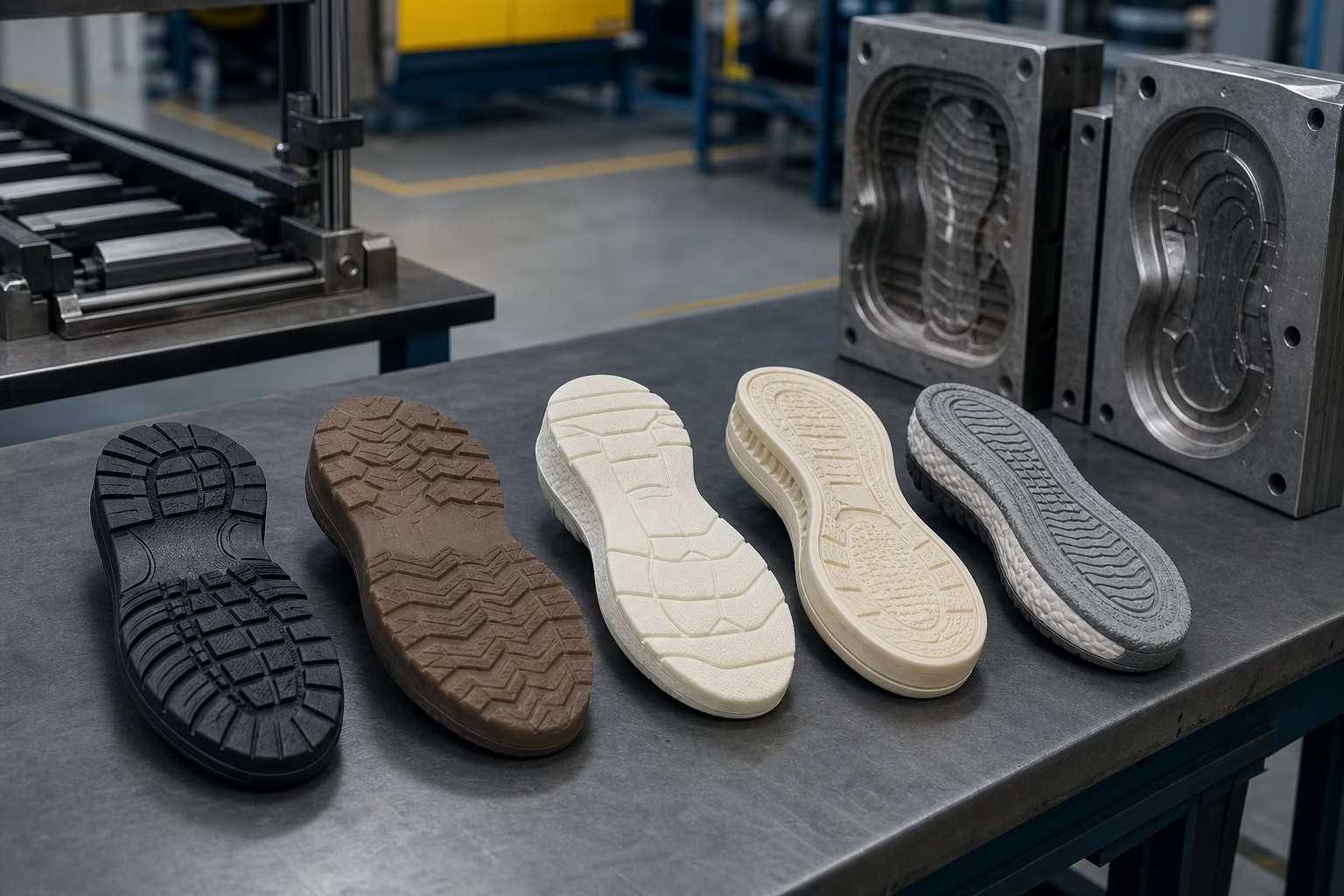
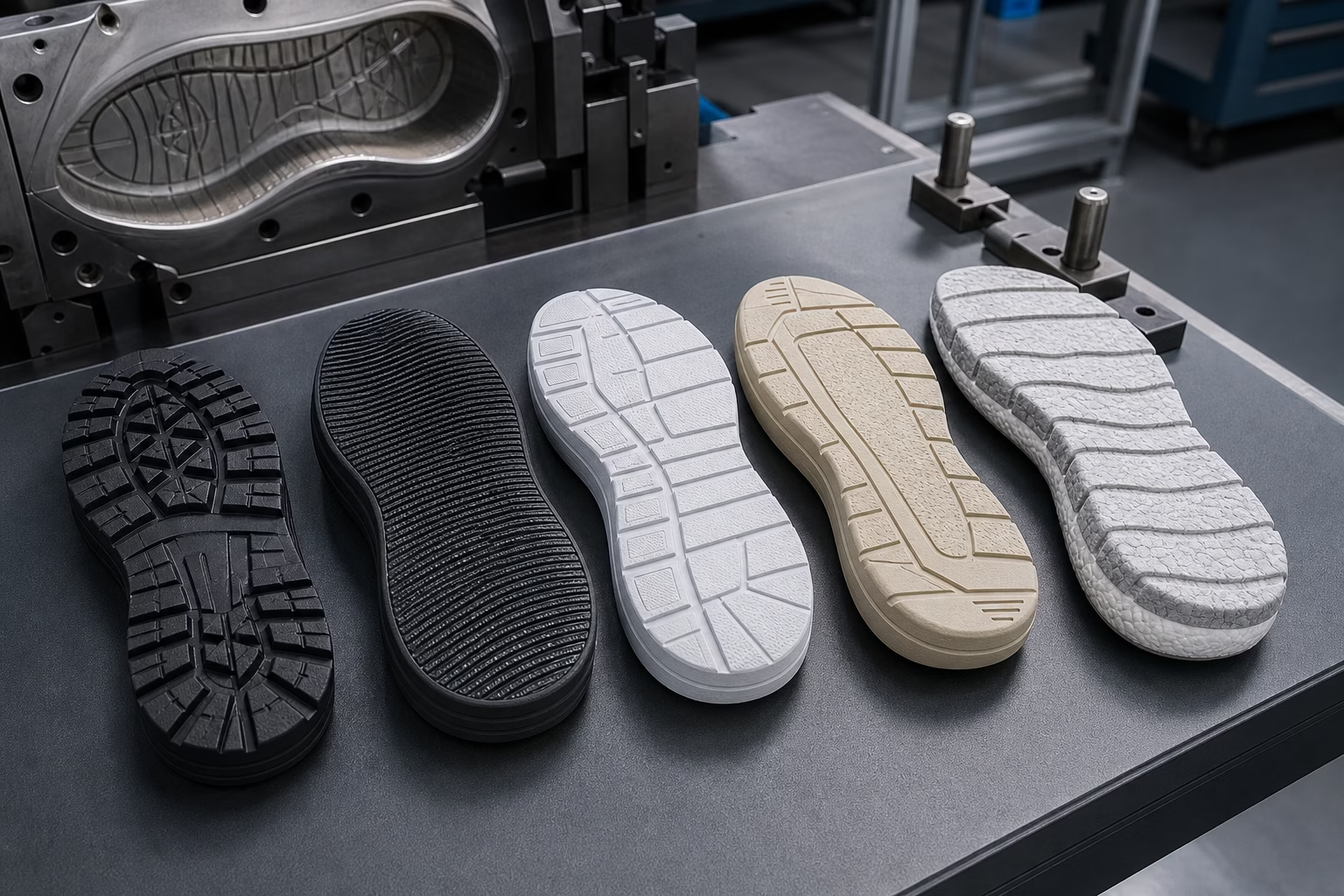
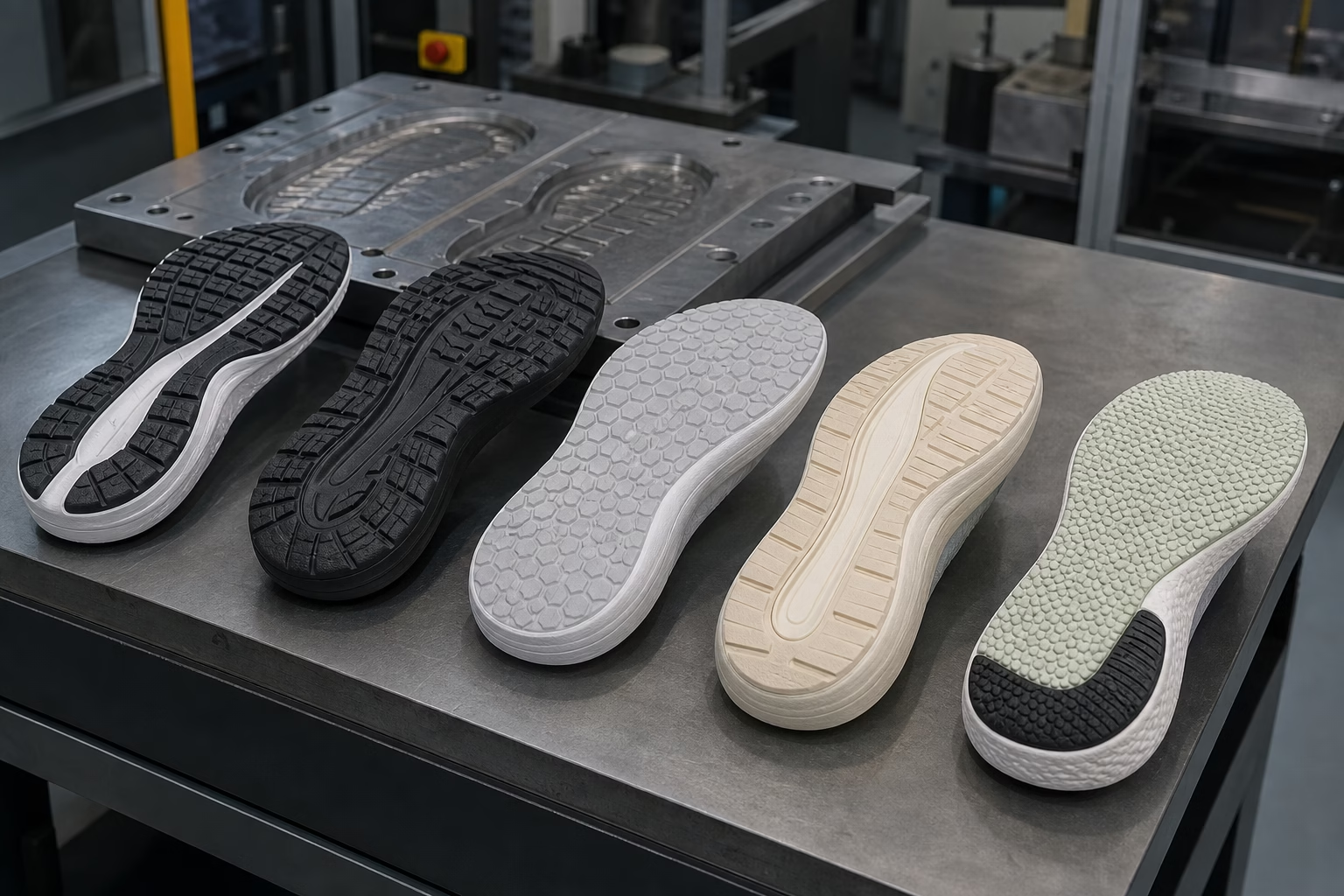
An external outsole supplier must work from the same information used by the footwear factory’s purchasing, development and production teams. Missing details can affect mould assessment, sampling, order planning or the quotation basis. Use revision numbers or dates to identify current artwork and specifications. Separate each size, colour and style so quantities and mould requirements can be checked by variation. Detailed artwork assessment is handled separately, but a clear product reference is required for the initial supply review.
Outsole Product Type and Footwear Application
Artwork, Drawing, Physical Reference or Other Product Reference
Required Quantity and Style Breakdown
Full Size Run
Requested Material or Production Process
Colour Requirements
Packaging Requirements
Destination
Required Production or Shipment Schedule
Physical or Chemical Testing Requirements, When Applicable
Sample Route
Choose the Correct Mould and Sample Route
Mould status determines the work required before bulk production. A footwear factory may start with an existing mould, submit a customer-owned mould for compatibility review or request development of a new mould. The stated sampling timings apply only to their respective mould routes and are not universal delivery promises. Project information must be reviewed before the route is confirmed. The approved sample then becomes the bulk-production control point and should be linked to the agreed specification version.
01
Existing Mould
Confirm the mould and outsole specifications match the order; samples can be available in five days when this route applies.
02
Customer-Owned Mould
Review mould information, compatibility, outsole specifications and production needs before confirming sampling arrangements.
03
New Mould Required
Assess the design, material, size run, process and development scope; samples can be available within one month.
04
Review further information about the sample development and approval route for footwear projects.
Quantity Planning
Plan Standard and Conditional Trial Quantities Correctly
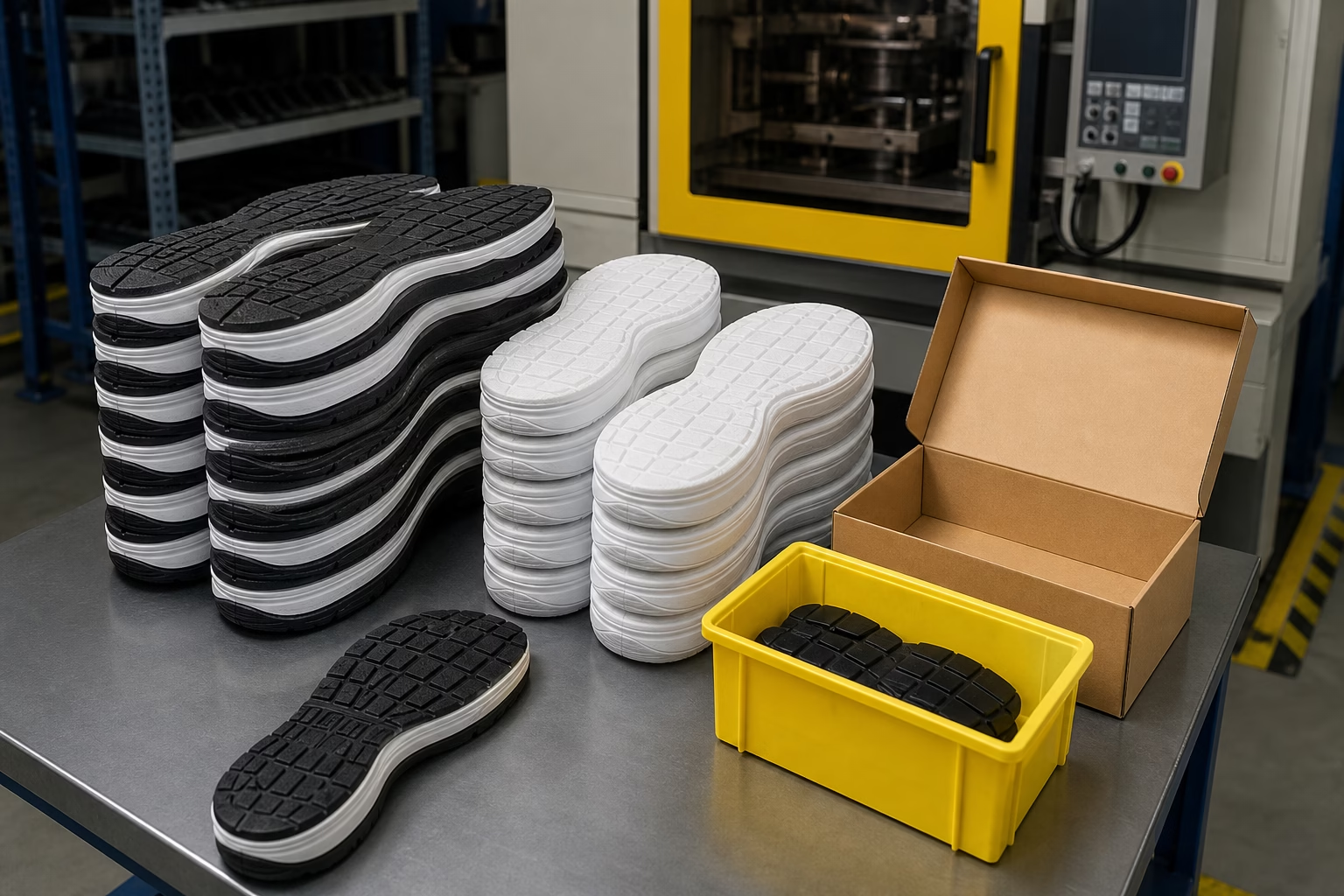
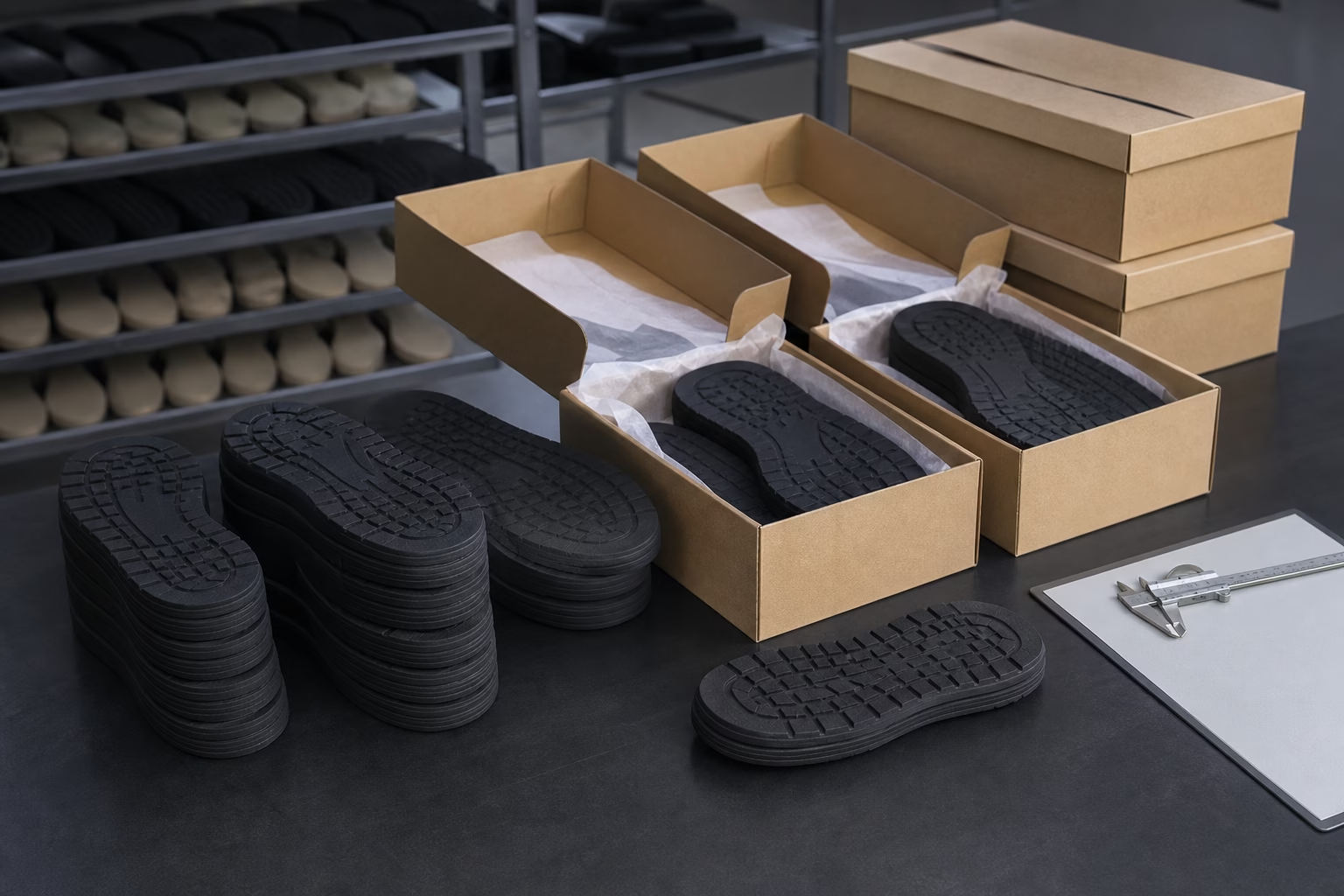
The standard minimum order quantity is one thousand pieces per style. The footwear factory should calculate this quantity by style and clearly state how the required sizes and colours are divided within the order. For selected products only, a six-hundred-piece trial order may be considered after project review. This conditional quantity depends on the product, design, process and overall production assessment; it is not the standard minimum or an option for every outsole design. Trial requests should include their purpose, style, size run and specification.
BEFORE
Standard Order Quantity
The standard minimum order quantity is one thousand pieces per style, with sizes and colours confirmed within the order.
AFTER
Conditional Trial Quantity
A six-hundred-piece trial may be reviewed for selected products, subject to the design, process and complete project assessment.
Production Schedule
Coordinate Bulk Production After Sample Approval
Bulk production normally takes fifteen to twenty working days after sample approval. Final timing depends on the order quantity and actual styles, so the production period must be coordinated with the approval date, footwear assembly plan and shipment requirements. Delayed sample approval or unresolved specification changes can alter the production starting point. Factories should not treat an early estimate as a fixed schedule before the approved sample, order quantity, style mix and other production details have been confirmed.
01
Confirm the Approved Sample and Specification Version.
02
Finalize the Quantity by Style, Size and Colour.
03
Confirm Packaging, Destination and Required Schedule.
04
Review the Production Timing for the Actual Order Mix.
05
Align Inspection and Shipment Arrangements Before Completion.
Order Control
Track Decisions from Artwork to Shipment
WENCHANG provides one-to-one follow-up covering artwork, samples, production updates, inspection and shipment tracking. These checkpoints show factory purchasing teams which decisions are complete and which still require confirmation. The reporting format and timing can be discussed for each project. WENCHANG does not assume the same update frequency for every factory order, so communication requirements should be included in the sourcing brief when they affect internal production or procurement planning.
01
Artwork:
Identify the working design and its current revision.
02
Samples:
Record the mould route, sample status and approval decision.
03
Production Updates:
Follow progress against the confirmed order information.
04
Inspection:
Align the required checks with the production stage.
05
Shipment Tracking:
Follow the approved order as it moves into the selected transport arrangement.
Quality Alignment
Align Inspection and Testing with Procurement Requirements
Outsole inspection is arranged through four verified control stages covering materials, initial production, work in progress and completed products. Each stage addresses a different point in the production sequence. Available physical testing can include slip resistance, abrasion resistance, colour fastness to yellowing and light fastness. Chemical testing for REACH requirements can be planned when needed. Before quotation and production planning, buyers should state each required test item, method and acceptance criterion so the project-specific testing scope can be confirmed.
01
Incoming Material Inspection
Checks materials before they move into the production process.
02
First-Article Review
Reviews the first produced article before continued production.
03
In-Process Checks
Monitors the outsole while production is under way.
04
Final Inspection
Checks completed products before the order moves to packing and shipment.
Shipment Inputs
Confirm Packing, Transport and Commercial Handover
Packing and shipment inputs affect the final sourcing plan. Available options include anti-scratch packing and custom boxes, with the appropriate format determined by the product, buyer-supplied packing specification and handling requirements. International transport can be planned by express, air, sea or rail, while supported trade terms include EXW, FOB and DAP. The applicable term, destination, responsibilities and transport arrangement must be confirmed for each order. A quotation review requires the outsole specification, quantity, size run, mould status, packaging, destination, schedule and testing requirements.
Anti-Scratch Packing
Custom Boxes
International Express
Air Transport
Sea Transport
Rail Transport
EXW
FOB
DAP
FAQ
Frequently Asked Questions
Project Handoff
Start the Factory Outsole Supply Review
Send the current specifications and production requirements so WENCHANG can assess the outsole family, mould route, sample plan, quantity conditions, inspection needs and shipment inputs. A defined sourcing brief allows the team to identify open decisions and prepare a project-specific quotation without promising an unconfirmed shipment date.