Plan Outsole Testing Requirements Before Your Order
Jinjiang WENCHANG Footwear Materials Co., Ltd. Supplies TPR, RB rubber, MD Phylon, PU and ETPU combined outsoles for footwear brands, importers, distributors and shoe factories. WENCHANG also supplies shoemaking accessories and finished footwear for global B2B projects. Send your testing requirements before quotation, sample planning and production release.
Why Testing Requirements Belong in the First Supplier Brief
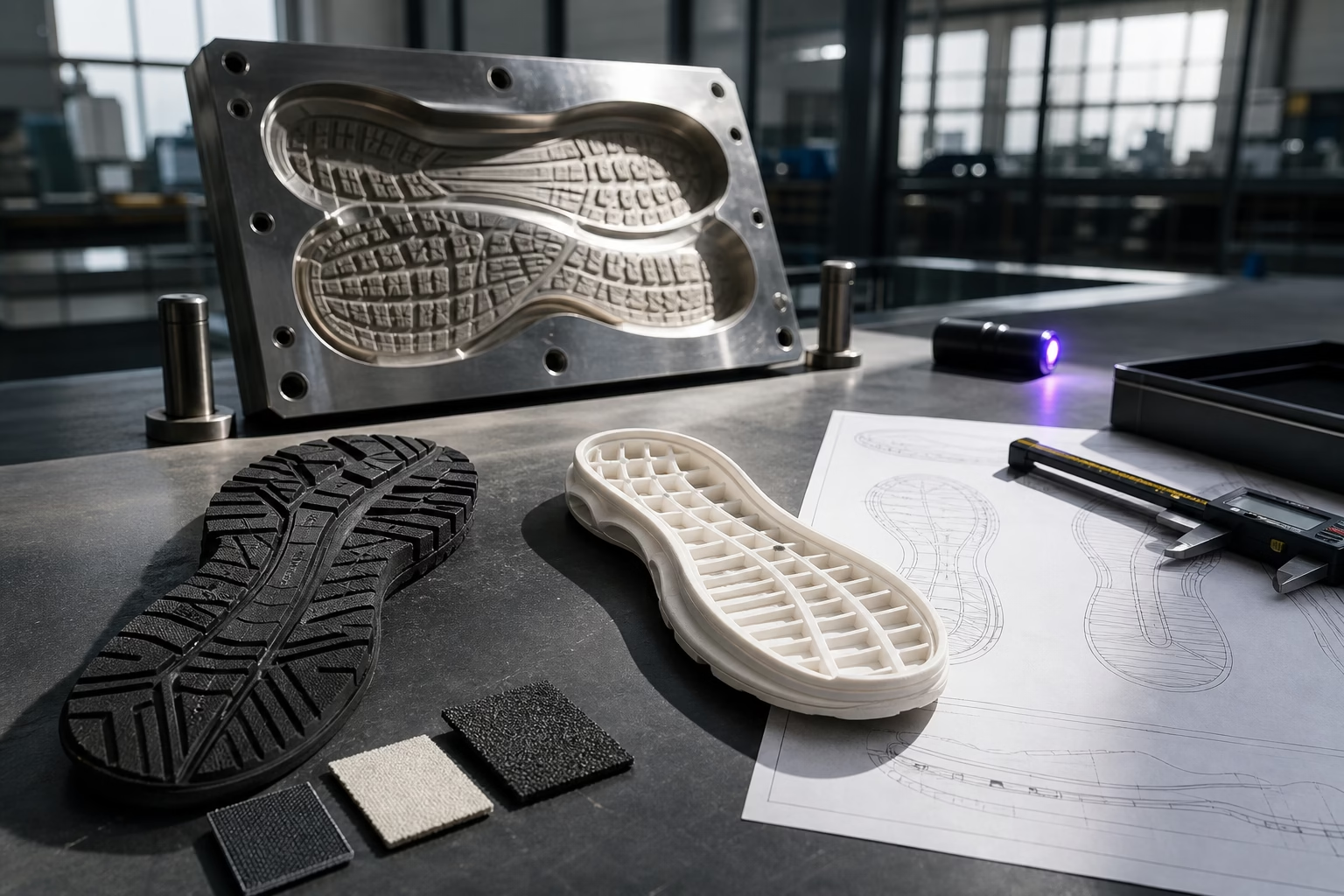
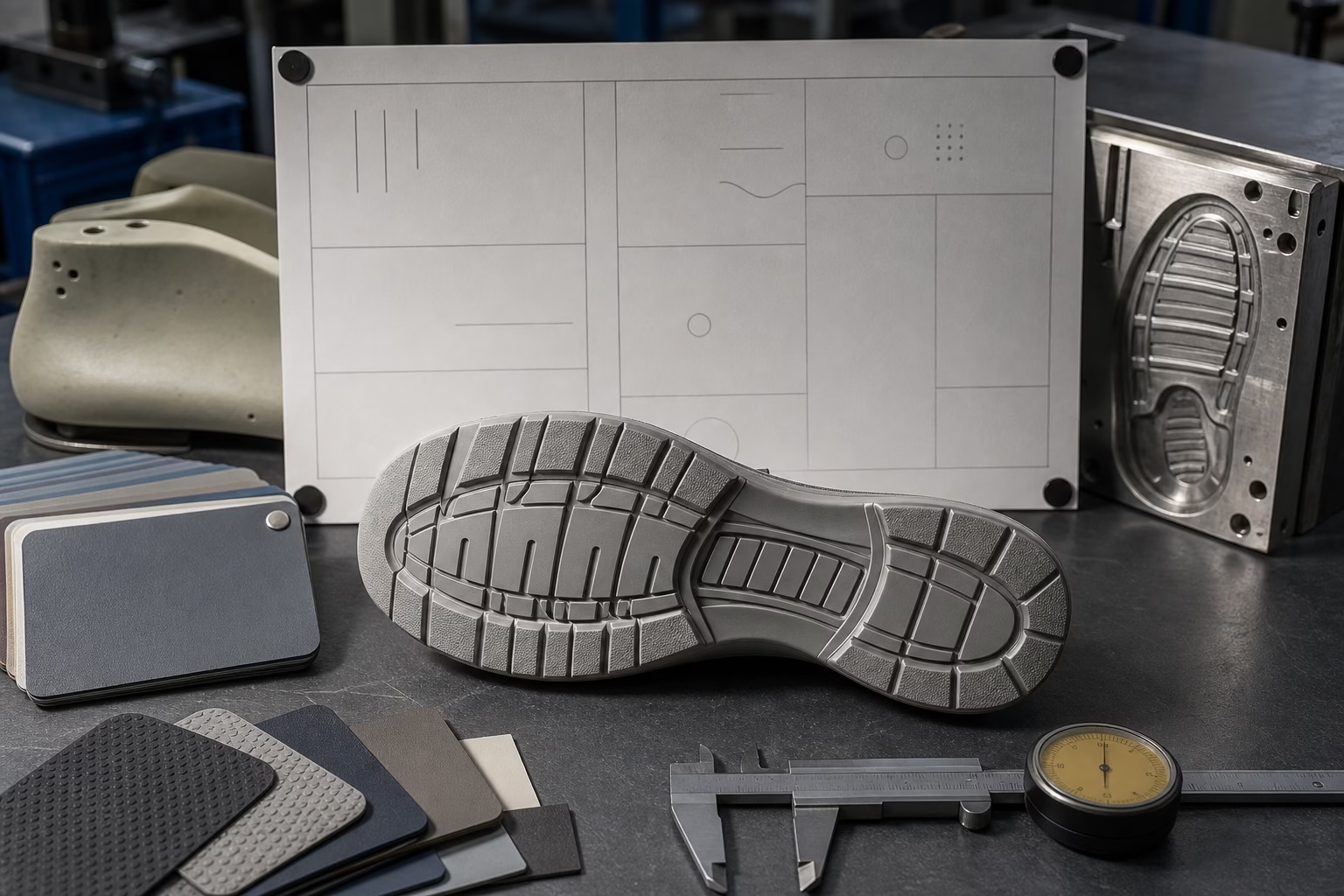
Testing expectations affect how an outsole project is reviewed. A supplier needs to know the product type, material or process, colour and intended order context before confirming whether a requested test route is relevant. The same test category may require different consideration when the outsole design, material, colour or production process changes. Early communication also gives purchasing and quality teams a shared record of what must be checked. A requirement added after sampling or production planning may affect the sample basis, acceptance decision, evidence format or project review. It may also require the material, colour or construction to be reconsidered. No specific cost or delay should be assumed, but a changed requirement should be reviewed before the next project gate. For WENCHANG outsole orders, testing requirements are among the details buyers can provide for an accurate quotation. A defined brief allows commercial and technical discussions to begin with fewer assumptions.
Connect the Test Scope to the Correct Outsole Project
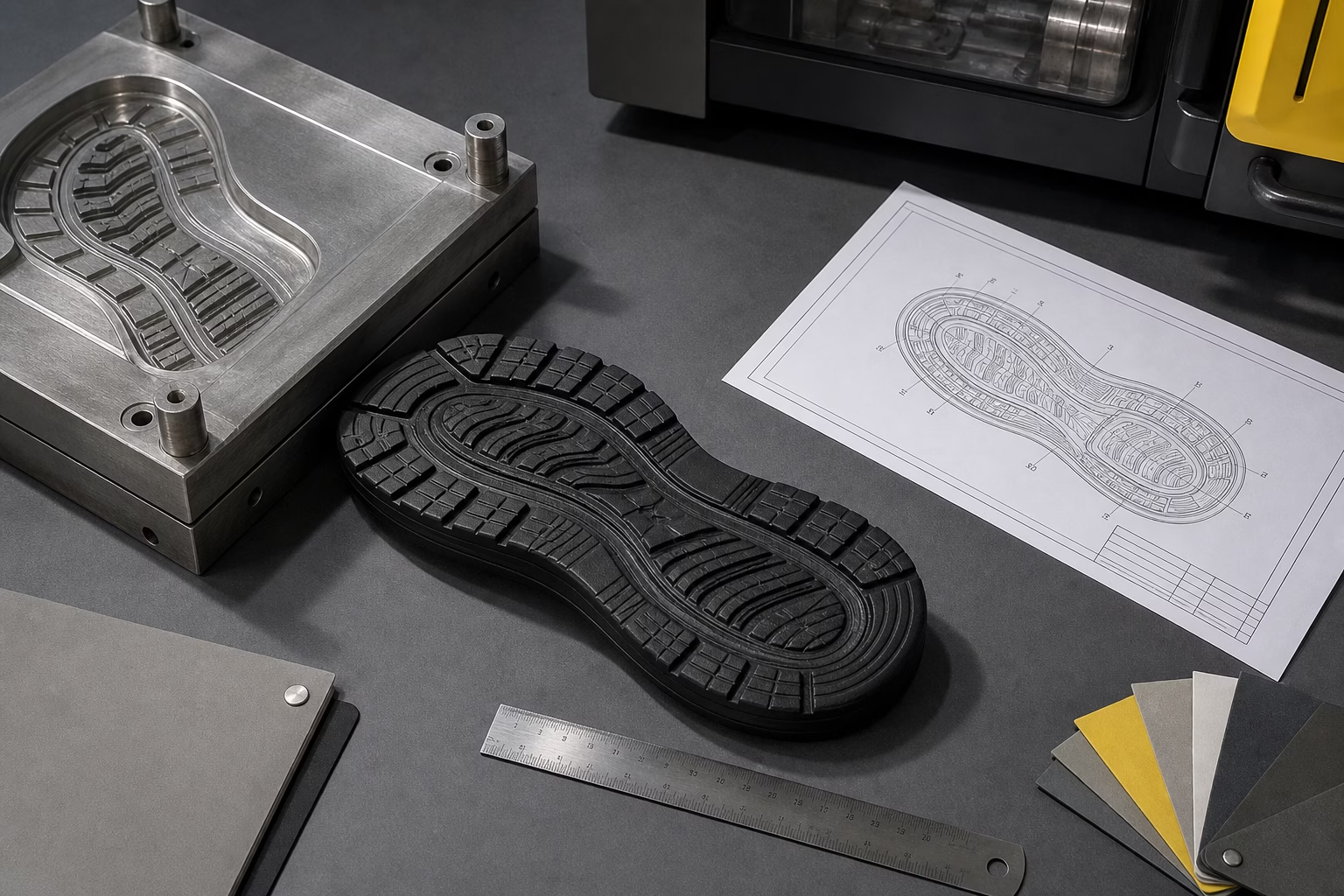
A footwear test specification is only useful when it is tied to an identifiable product and order. WENCHANG supplies several outsole material routes, so state which product is under review and identify the material or process where known. These details do not replace the test specification. They identify the product and commercial conditions that give the specification meaning. For the complete enquiry package, use the footwear RFQ specification checklist .
Record Each Test with a Method, Limit and Evidence Plan
A request for standard testing is too broad to guide a supplier review. For every test item, record the information that determines what will be tested and how the result will be assessed. Do not leave methods or acceptance limits implied. If your team has not selected them, mark the item for discussion rather than presenting an undefined requirement as a fixed rule. WENCHANG can review the requested scope in relation to the stated outsole project.
Test Item:
Name the requested physical or chemical test category.
Method or Standard:
Provide the method, standard or buyer specification, including a version where relevant.
Acceptance Criterion:
State the required threshold, pass condition or other acceptance rule supplied by your organisation.
Specimen Basis:
Identify the sample, product variant, material, colour or size basis to be tested.
Testing Stage:
State whether the requirement applies during sample review, pre-production approval or production release.
Evidence Format:
Specify whether you require a laboratory report, result summary or another agreed record.

Separate Physical Performance Items from Chemical Compliance
Keeping physical and chemical requirements in separate groups makes a testing brief easier to review. WENCHANG can discuss physical test items including slip resistance, abrasion resistance, colour fastness to yellowing and light fastness. These categories should be selected according to the buyer’s product specification and test plan; they are not confirmed results or universal requirements for every outsole. REACH compliance testing is the relevant chemical testing route identified for WENCHANG’s footwear projects. A request should state the required scope and evidence rather than describing the product as generally REACH certified. The applicable material, product, method and document requirements need project-specific confirmation. For detailed discussion of the available physical categories, visit outsole physical testing support . For chemical requirements, continue to REACH testing support for footwear .
Introduce Requirements at Each Approval Gate
Testing decisions should remain visible from the first enquiry through production planning. The following sequence gives purchasing and quality teams a practical handoff record. A change to the method, threshold, material, colour or evidence format after sample approval should be sent for review. The project may need a new decision about the sample basis or production requirements.
Initial Enquiry:
Send the requested test items, methods, acceptance criteria and evidence needs with the product and order details.
Quotation Review:
Check that the proposed product route and commercial scope match the testing brief. Resolve unclear or conflicting requirements before proceeding.
Sample Planning:
Confirm which sample, material, colour, size or construction will represent the requested test basis.
Record whether the testing requirements have been met for the approved sample and identify any open evidence items.
Production Release:
Confirm that the production specification, test scope and required records still match the approved project.
Assign Sample, Laboratory and Report Responsibilities
A complete testing brief records responsibilities as clearly as it records test items. Buyers should confirm who defines the specification, who selects or approves the sample, who arranges testing and whether a named laboratory is required. Also state who receives the report and which party checks the result against the acceptance criterion. Sample quantity, size, colour and material variation should be recorded as project fields, not treated as fixed rules. The buyer, WENCHANG or a third party may have different responsibilities depending on the agreed project arrangement. Use a responsibility record with these questions: This record prevents a test request from reaching quotation without an agreed route for sample selection and evidence handling.
Who Owns the Test Specification and Approves Later Revisions?
Which Sample or Production Variant Is the Test Basis?
Who Selects the Laboratory or Confirms an Acceptable Testing Provider?
Who Arranges the Test and Supplies the Required Specimens?
Who Receives and Reviews the Evidence?
Are Any Document, Language or Report-Identification Requirements Specified?
Match Every Record to the Actual Product Scope
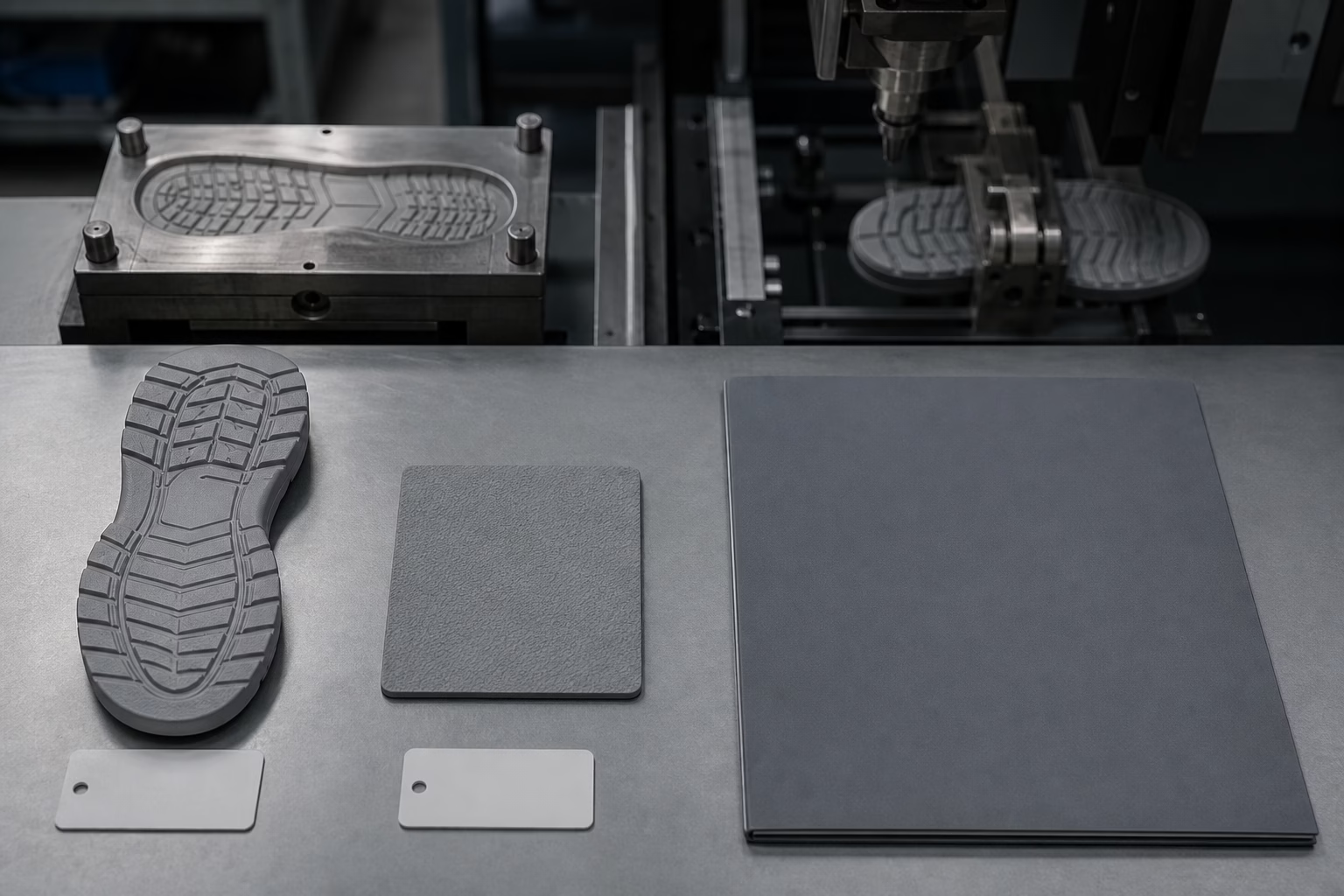
Test evidence should be checked against the product it represents. Confirm the style reference, material, colour, construction and revision details before treating a report or result summary as relevant to an outsole order. A document that names a different product or variant may not answer the requirement under review. State any identifiers that must appear on the evidence, such as a style reference, product code, material description or revision detail. Also identify whether the requested record is intended for internal approval, customer review or another project use. WENCHANG’s production inspection controls and product testing are different forms of control, so the testing brief should identify both when both are required. For the wider quality structure, visit Footwear Quality Control and Testing Support . The quality hub connects inspection, testing and evidence routes without treating one record as proof of every project requirement.
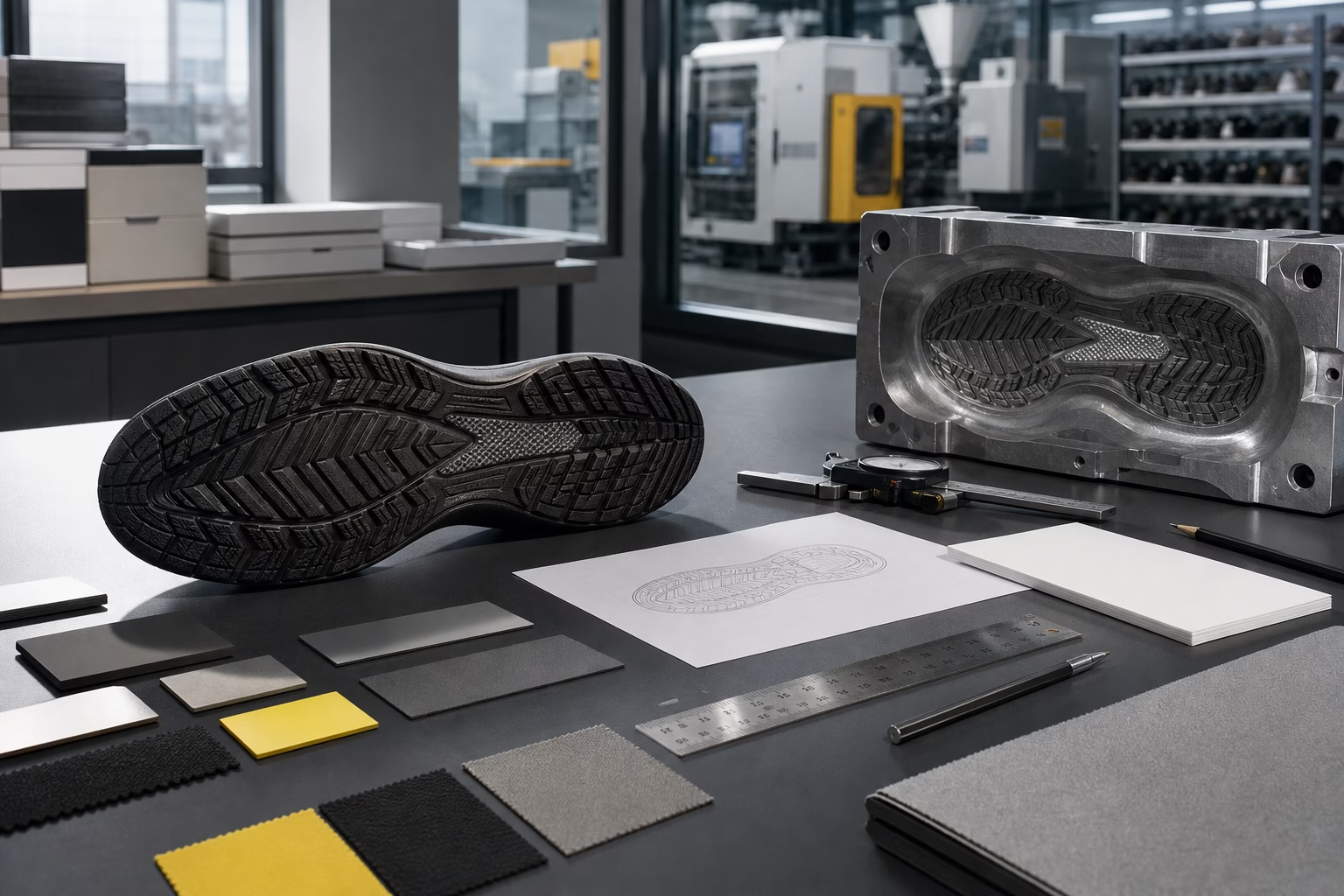
Prepare a Testing Brief
Bring your product details and physical or chemical test requirements together before requesting a quotation. Prepare a testing brief and request a quotation for project review.
FAQ
Frequently Asked Questions
Complete the Brief Before Quotation and Sampling
Use this final check before sending the request: Send the completed brief with your product information so our team can review the testing scope alongside the quotation inputs. A clear request supports better decisions before sampling and production planning without assuming test methods, thresholds or outcomes that have not been agreed.