Footwear Outsole Manufacturing Capabilities
Jinjiang WENCHANG Footwear Materials Co., Ltd. Produces footwear outsoles and supplies shoemaking accessories and finished footwear for global B2B projects. Our manufacturing evidence covers the Jinjiang facility, TPR rotary-disk injection equipment, mould readiness, production stages, monthly planning and controls from incoming materials through final inspection.
Capability Scope
Production Capabilities Covered by Our Outsole Operation
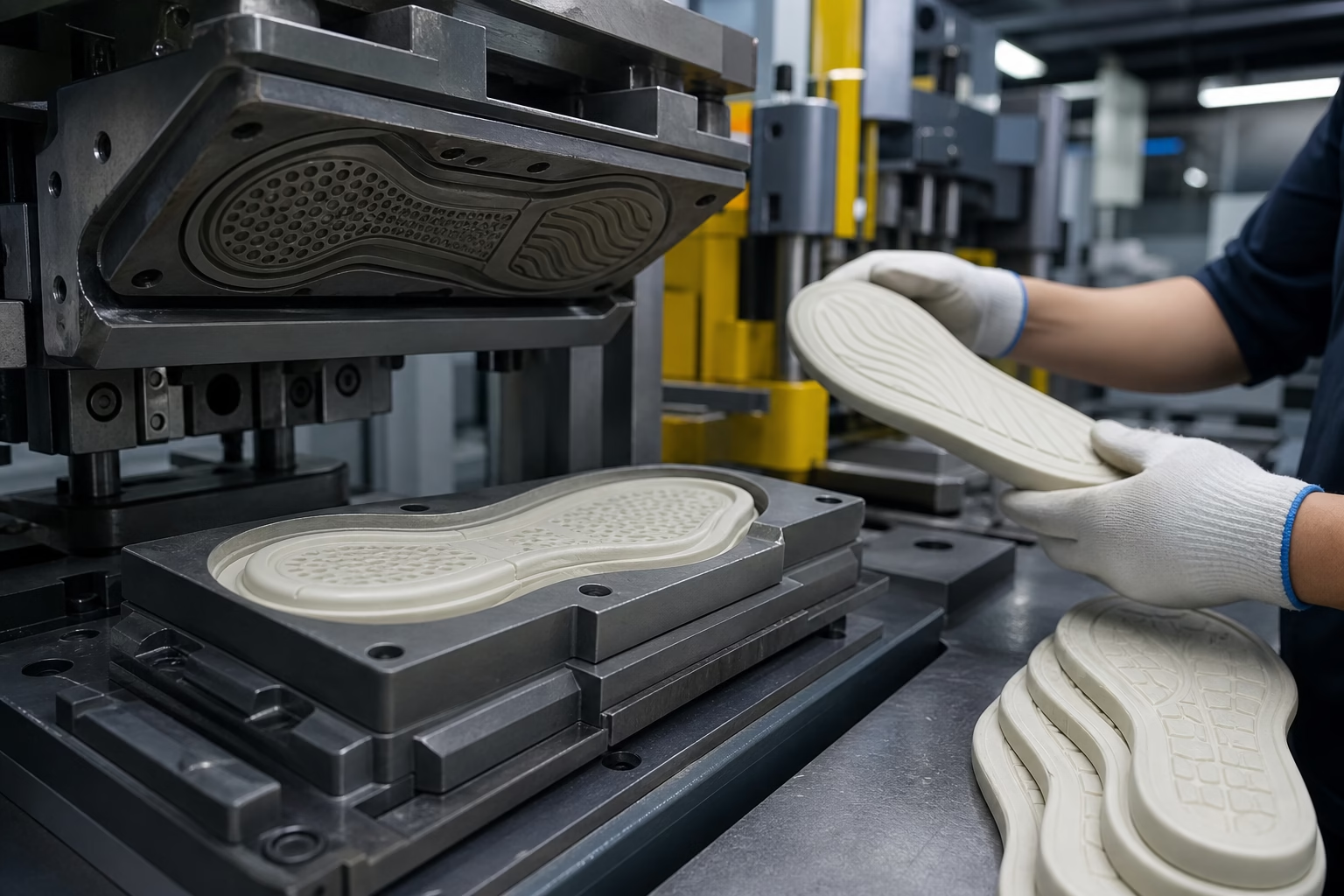
Technical and sourcing teams need to assess more than outsole material availability. WENCHANG provides a reviewable manufacturing scope covering facility resources, TPR injection equipment, production flow, mould readiness, output planning and production controls. Each area connects the proposed outsole to a specific production or review decision.
Facility Resources:
Defined work, storage, production and inspection areas in Jinjiang, Quanzhou.
TPR Injection Equipment:
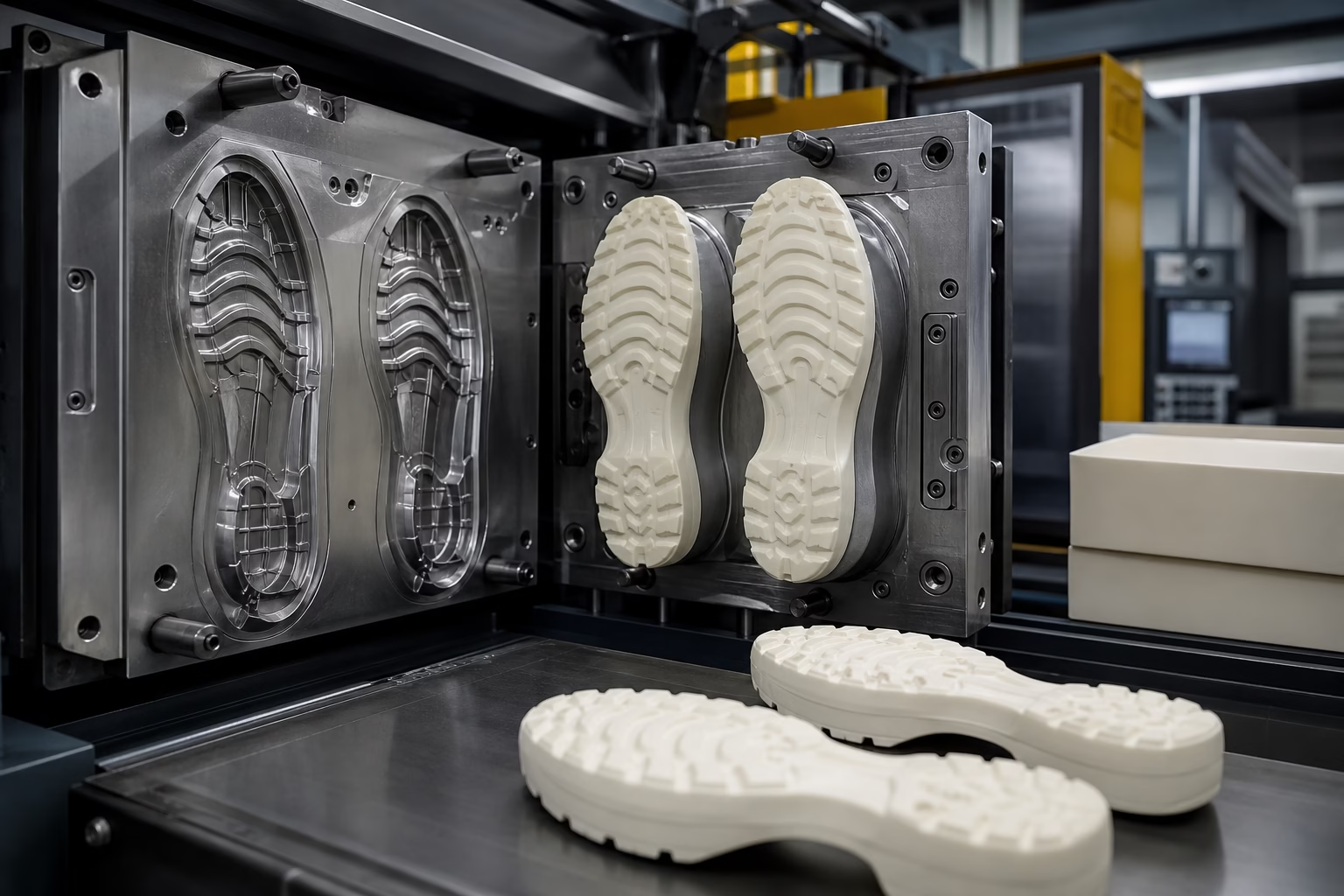
Three sets of rotary-disk injection machines for confirmed TPR outsole work.
Production Flow:
A documented sequence from mould development and material preparation to packaging.
Mould Readiness:
Project review based on an existing mould, a new mould requirement or a customer-owned mould.
Output Planning:
Monthly capacity considered together with order quantity, style mix and sample approval.
Production Controls:
Inspection points covering incoming materials, initial production output, work in progress and completed products.
TPR Equipment
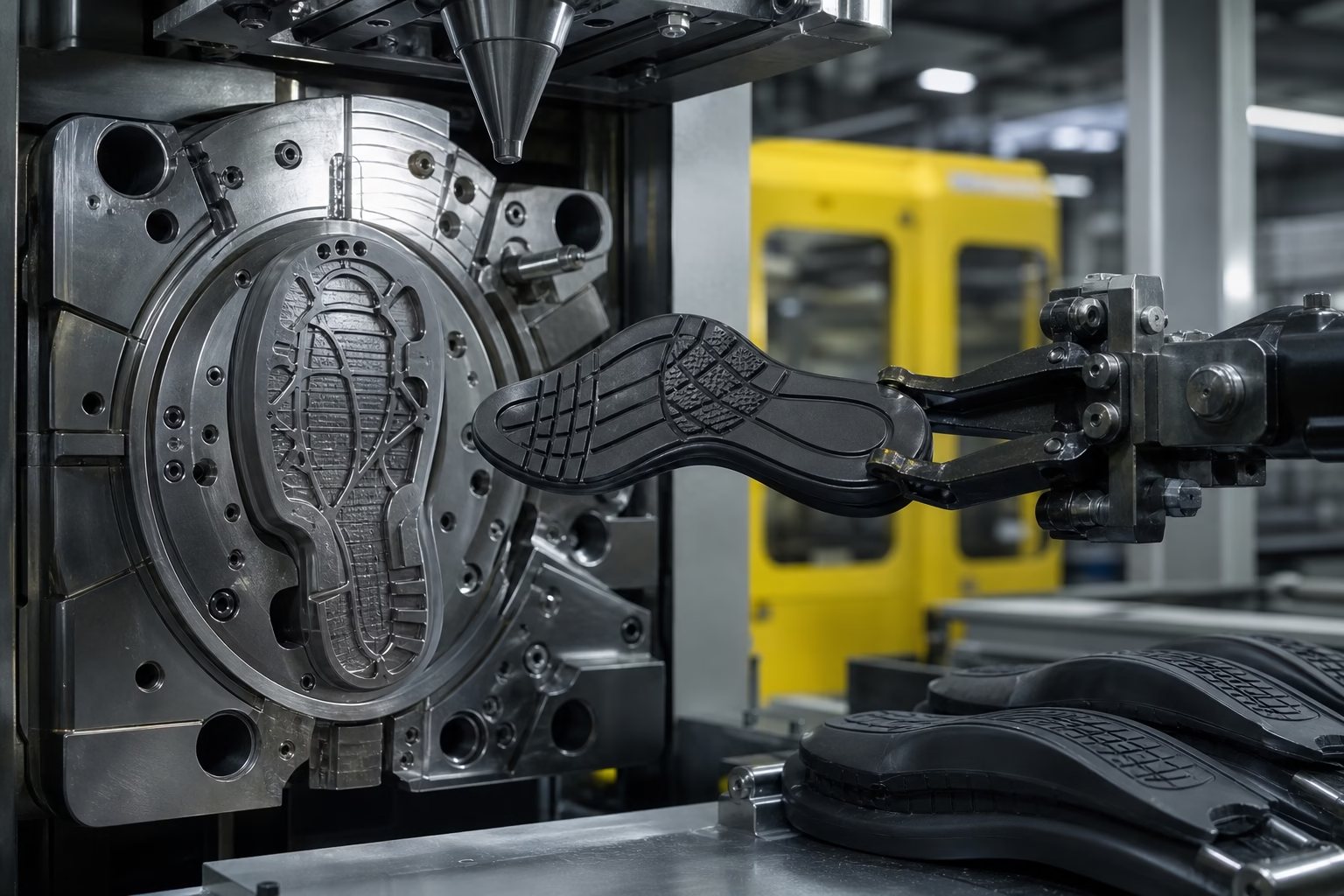
Confirmed Equipment for TPR Rotary-Disk Injection
Jinjiang WENCHANG operates three sets of TPR rotary-disk injection machines. This equipment supports the confirmed TPR outsole injection capability and gives buyers a specific reference when assessing a TPR programme. The statement applies to TPR rotary-disk injection and does not confirm that the same machinery produces every other supplied outsole material.
Production Sequence
From Mould Preparation to Packed TPR Outsoles
The verified TPR outsole workflow follows mould development, material, injection, cooling forming, trimming, quality inspection and packaging. Each stage creates a handoff to the next part of production, while the precise setup remains dependent on the outsole design, mould, size run, colour and project requirements.
01
The mould route is aligned with the defined outsole design and project information.
02
Material:
TPR material is prepared for the planned production setup.
03
Injection:
The material enters the mould through the rotary-disk injection process.
04
Cooling Forming:
The injected outsole cools and takes its formed shape.
05
Trimming:
The formed outsole moves to trimming after cooling.
06
Quality Inspection:
The output is checked at the relevant production stage.
Mould Readiness
Match the Mould Route to the Production Setup
Mould readiness affects equipment setup, sampling and production planning. An outsole project may use an existing mould, require a new mould or involve customer-owned tooling. WENCHANG reviews the mould against the outsole design, size run, material, colour and process rather than assuming that any tooling can move directly into production.
Confirm that the existing mould matches the proposed outsole design, size run, material, colour and process.
Review the tooling requirement before sampling, approval and production planning proceed.
Assess customer-owned tooling for compatibility instead of assuming direct production readiness.
Output Planning
Use Monthly Capacity as a Planning Reference
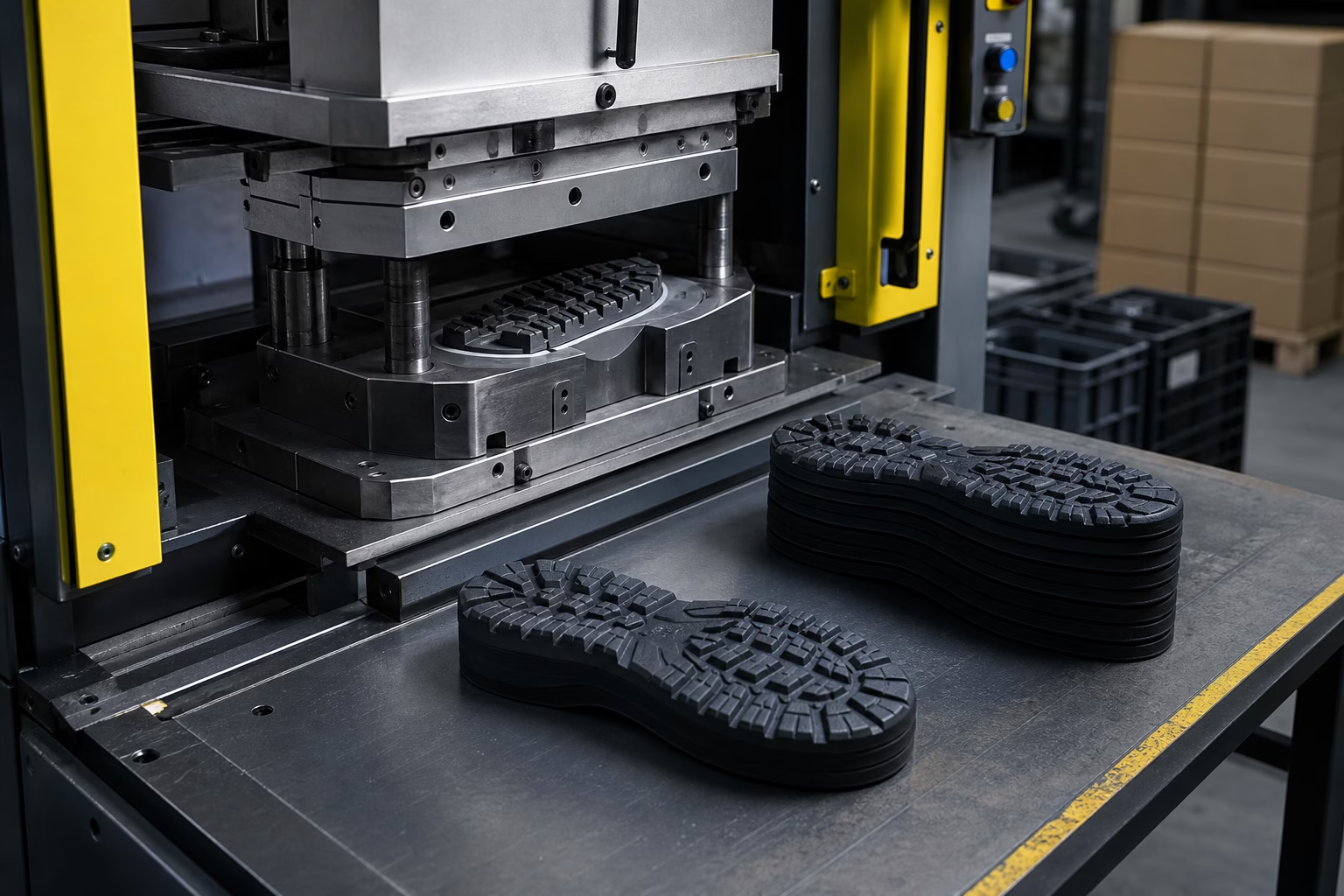
WENCHANG’s stated monthly output capacity is one hundred and fifty thousand pairs. This figure supports production assessment but does not represent reserved availability or a universal delivery promise. Actual allocation and timing depend on requested quantity, style mix, size ranges, mould readiness, production process and sample approval.
Quality Handoff
Four Control Points Connect Materials to Final Acceptance
WENCHANG’s production-control sequence includes incoming material inspection, first-article review, in-process checks and final inspection. These checkpoints connect material receipt, initial output review, production monitoring and completed-goods acceptance before packing and outbound handover. Product-specific testing methods and acceptance criteria should be communicated during project review.
01
Incoming Material Inspection
Takes place before the relevant materials move through production.
02
First-Article Review
Checks initial output before continued production proceeds on that basis.
03
In-Process Checks
Monitor products while production is under way.
04
Final Inspection
Reviews completed goods before the packing and outbound handover.
Outbound Handover
Packing Marks the Handover from Production to Dispatch
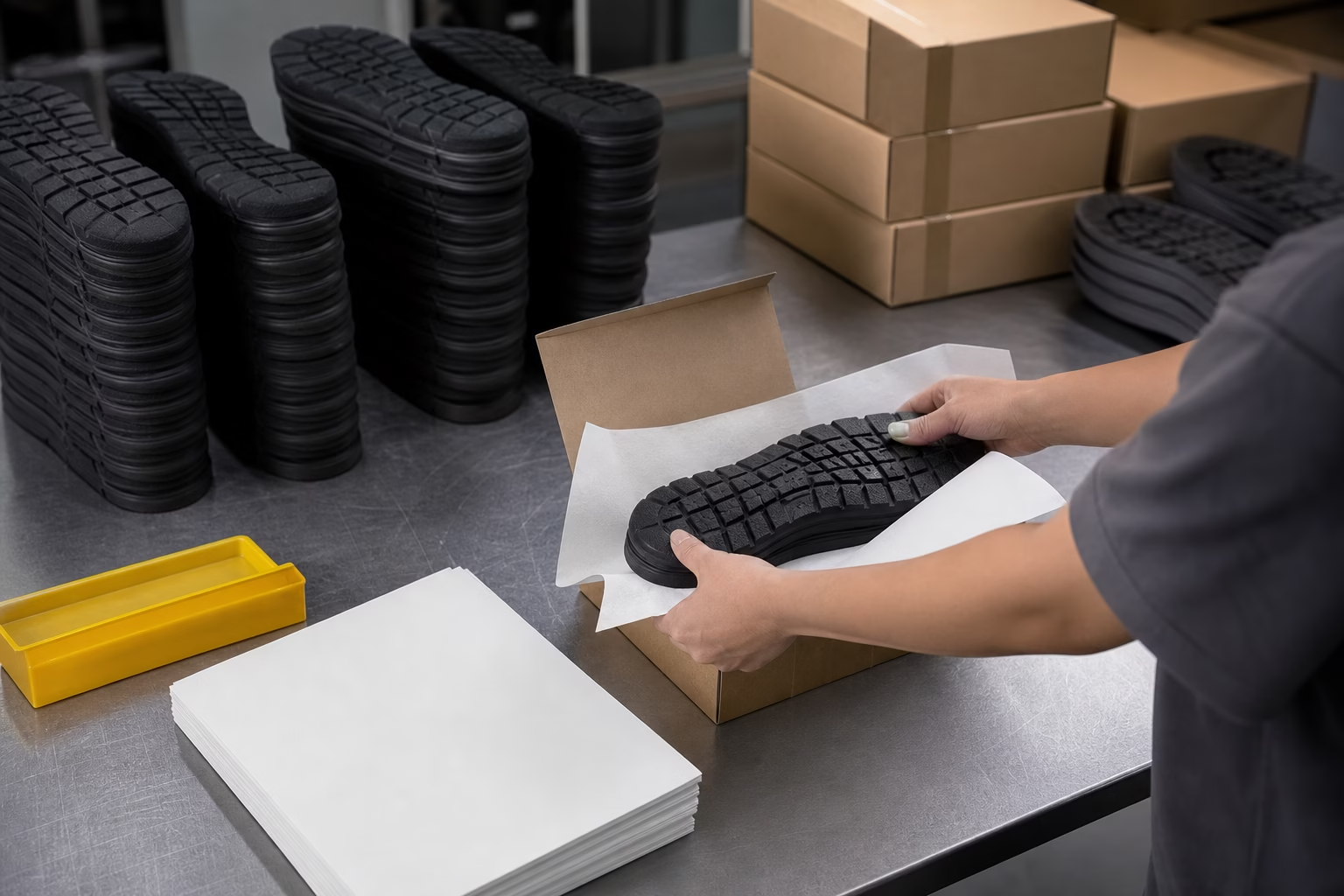
After final inspection, completed products can move into anti-scratch packing or a confirmed custom box arrangement. The suitable route depends on the product, packing specification, handling needs and destination. Packing details should be confirmed as part of the order rather than assumed after production.
BEFORE
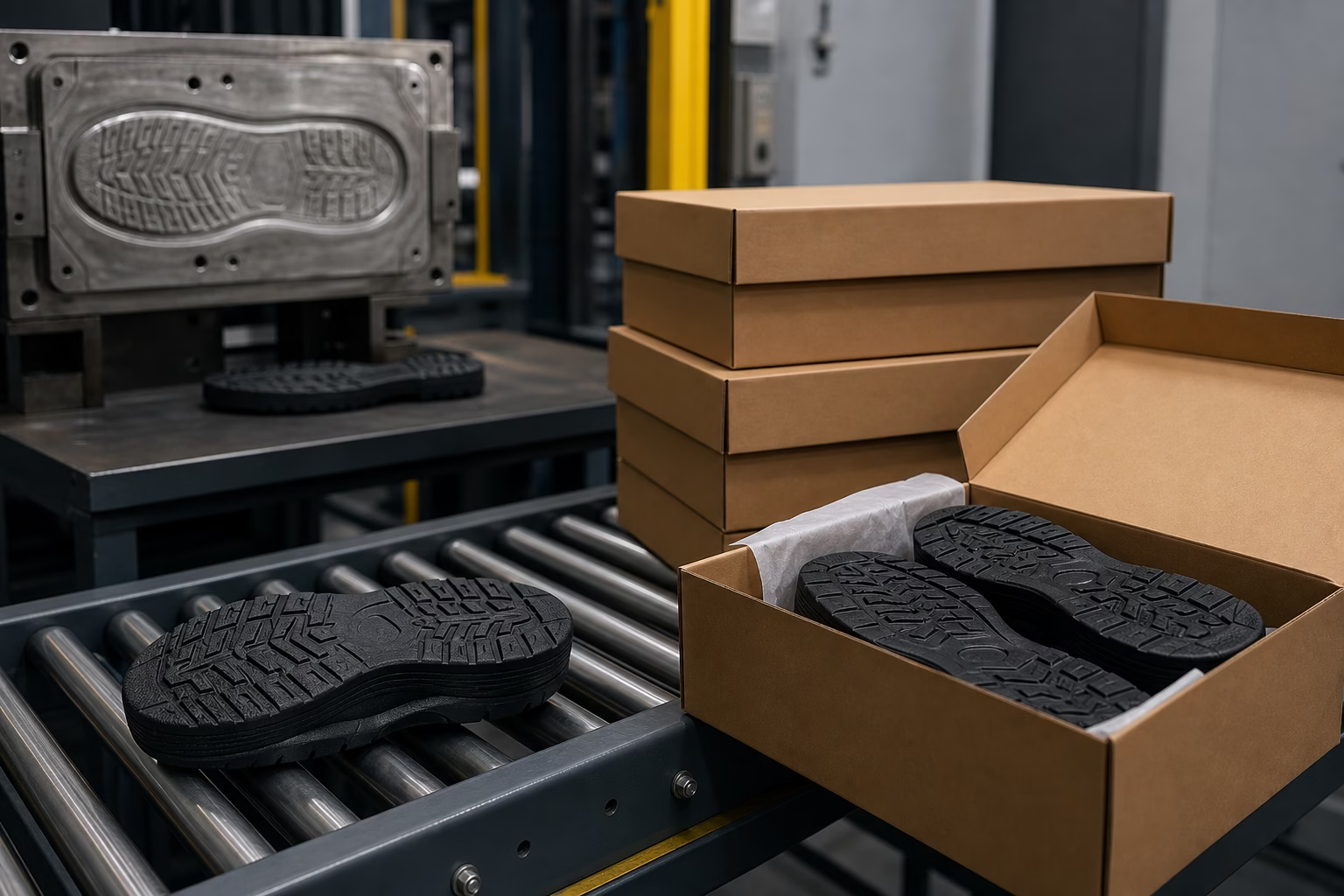
Confirm anti-scratch packing or a custom box arrangement against the product and packing specification.
AFTER
International express, air, sea and rail remain available after production handover, subject to project factors.
FAQ
Frequently Asked Questions
Buyers can review the facility layout, three sets of TPR rotary-disk injection machines, the confirmed TPR production flow, mould readiness considerations, monthly output capacity and four production-control stages. Each capability must still be matched to the proposed outsole and order requirements.
Jinjiang Wenchang operates three sets of TPR rotary-disk injection machines. This equipment statement applies to the confirmed TPR injection process and does not imply that unlisted machinery is available for other materials.
The verified sequence is mould development, material, injection, cooling forming, trimming, quality inspection and packaging. The precise production setup depends on the outsole design, mould, size run, colour and project requirements.
Use the monthly output capacity of one hundred and fifty thousand pairs as a planning reference, then review the requested quantity, number of styles, size runs, mould status and required schedule. Final allocation cannot be confirmed from the capacity figure alone.
The control sequence consists of incoming material inspection, first-article review, in-process checks and final inspection. Product-specific test methods and acceptance criteria should be communicated separately through the quality planning route.
Provide the product type, artwork or reference, quantity, size run, material or process, colour, mould status, packaging, destination, required schedule and testing requirements. These inputs allow the production team to assess the project without assuming that an existing setup is suitable.
Project Review
Discuss Your Outsole Production Requirements
Send the technical and purchasing information needed to assess the equipment route, mould status, production allocation and control requirements. WENCHANG will review the project against the verified capabilities of its Jinjiang operation, with acceptance, timing and quotation details determined by the specific requirement.