Bulk Sport Shoe Outsoles for Mass Production
Jinjiang WENCHANG Footwear Materials Co., Ltd. Supplies TPR, RB rubber, MD Phylon, PU and ETPU combined outsoles for sports footwear brands and factories preparing volume production. WENCHANG supports projects from specification and mould review through sampling, production and inspection, using the approved sample and agreed requirements as the basis for bulk production.
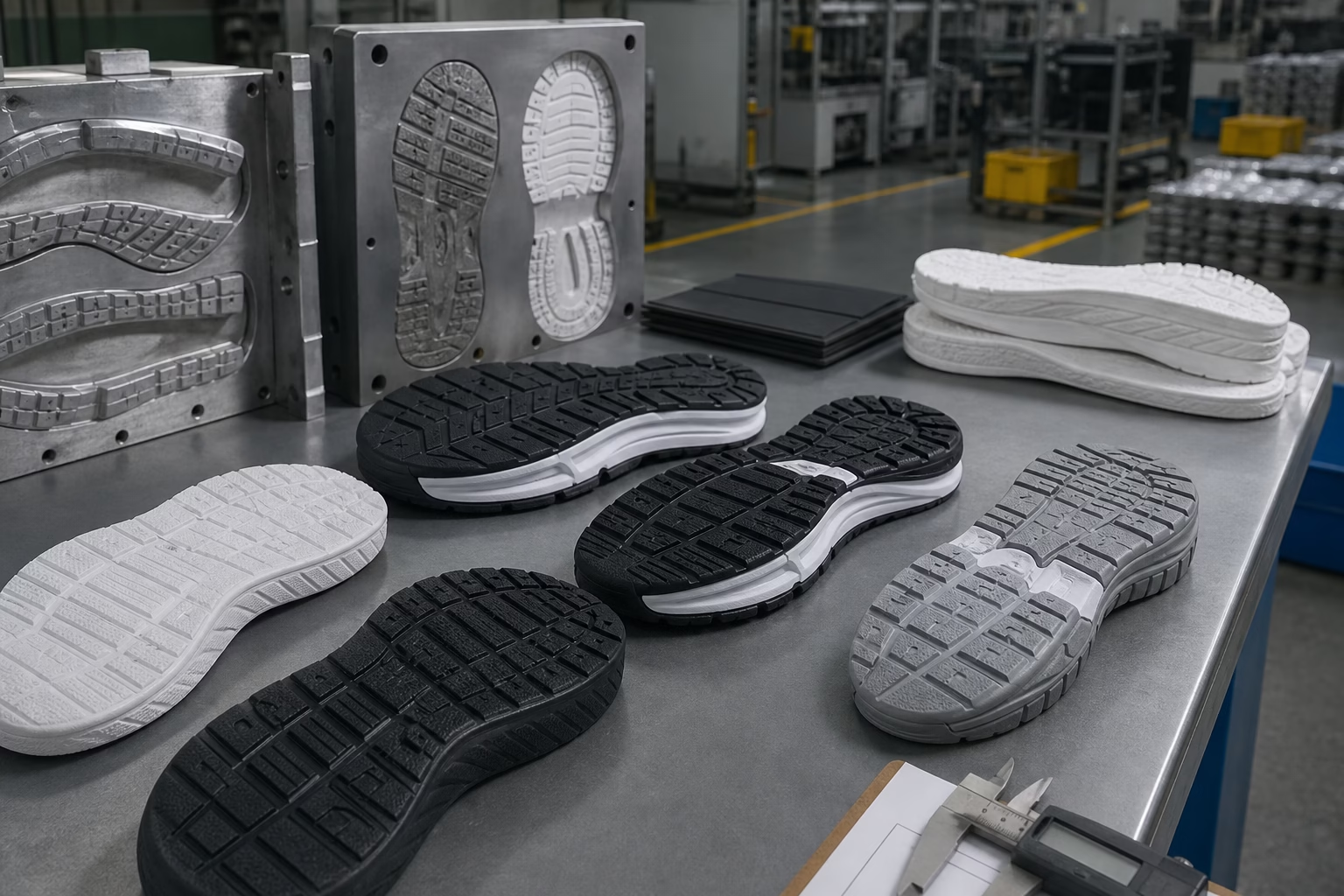
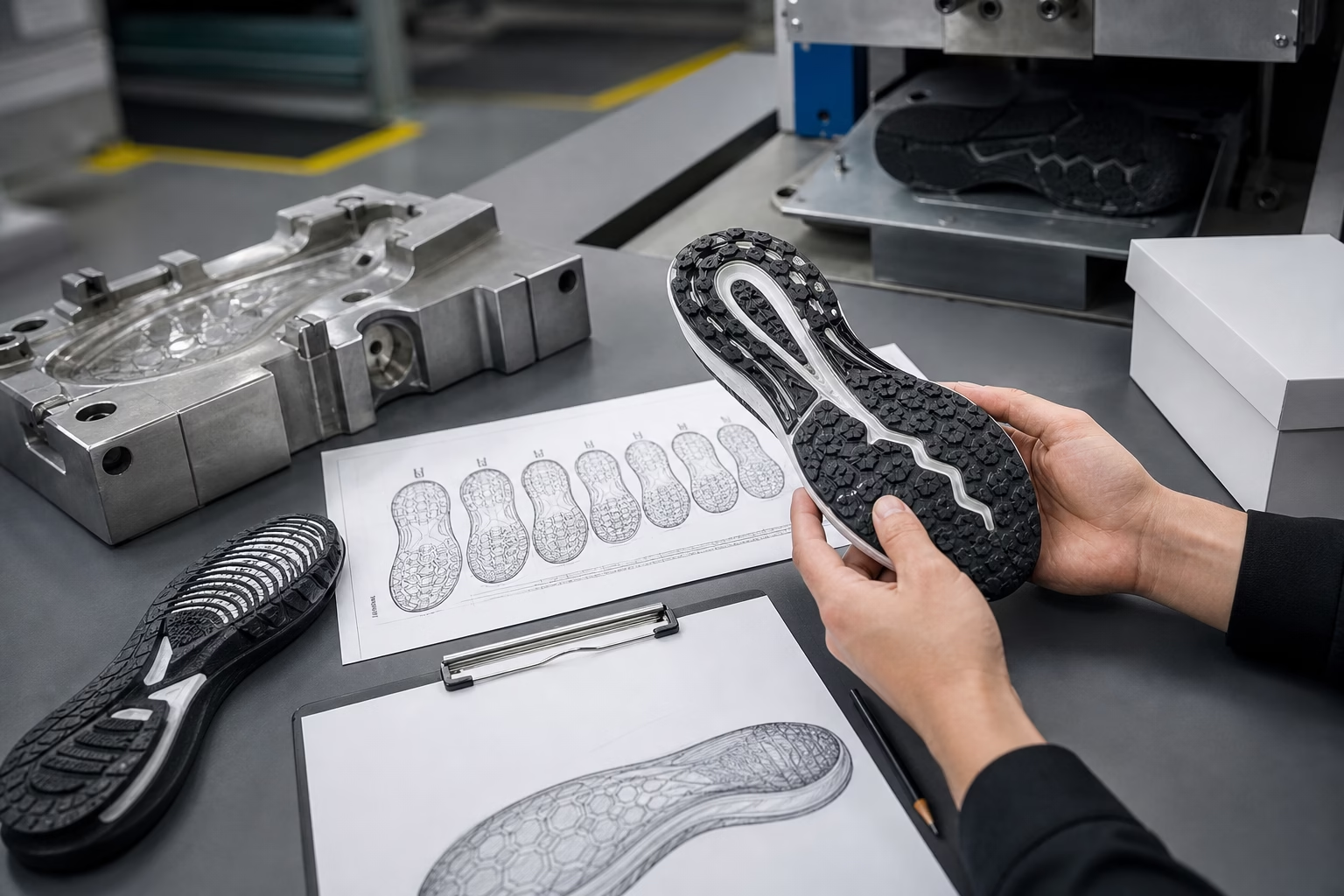
Is Your Sport Shoe Outsole Programme Ready for Supplier Review?
A production-ready programme is more than a request for a material or colour. It connects the footwear design to a specific outsole, a complete size range and a measurable approval basis. This gives the buyer and supplier the same reference for quotation, sampling and production. We supply specified outsoles for brands and factories that need repeat or volume production. The scope of this service is the outsole programme itself: development inputs, mould readiness, sample approval, test planning and production controls. Buyers seeking another footwear production route can compare options through our footwear sourcing applications . A useful starting brief identifies the sport shoe style, the outsole required for that style and the stage already reached. For example, a buyer may have completed artwork but still need a new mould, or may have an existing mould and need a sample for a new production order. Stating the current stage prevents the sample route from being confused with the final bulk order.
Build the Production Baseline from the Sport Shoe Specification
The outsole specification is the control record for the programme. Each input affects a different production decision, so incomplete or conflicting details can delay review. These details create a reliable basis for quotation and sampling. If the design changes after sampling, the revised information should be recorded before production is released.
Product and Reference:
Identify the outsole type and provide artwork, a drawing or a physical reference that shows the intended design.
Material or Process:
State the requested material and any known construction or production-process requirement.
Colour:
Provide the required colour information and a suitable visual reference where necessary.
Quantity and Size Run:
List the total order quantity and the quantity required for each size.
Mould Status:
Confirm whether the programme uses an existing mould, requires a new mould or is based on a customer-owned mould.
Testing:
Name the required physical or chemical test items, together with the buyer's target method and acceptance requirements.
Packaging and Destination:
State how the outsoles need to be packed and where the order is intended to go.
Schedule:
Include the required production timing so it can be reviewed against the style, quantity and sample route.
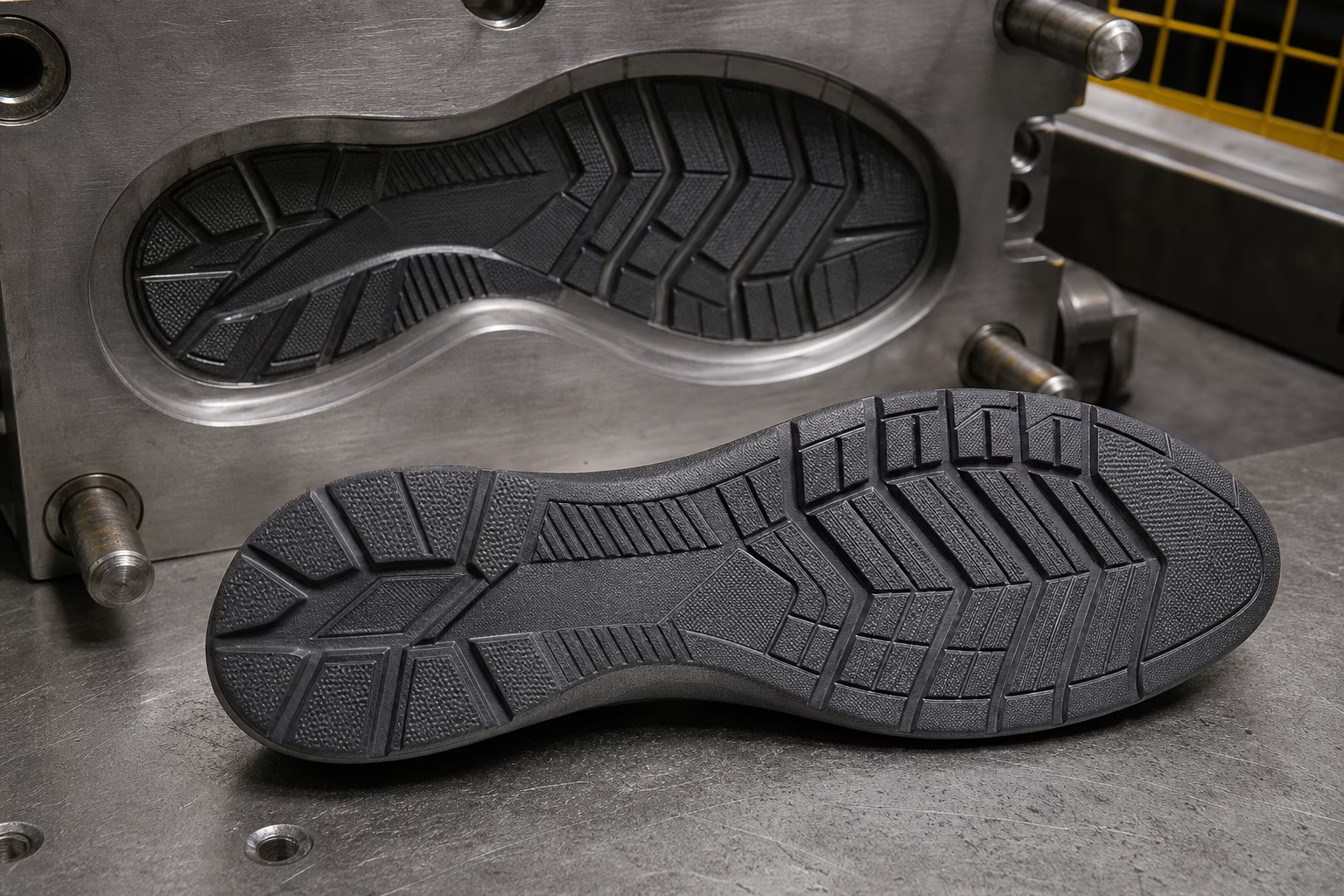
Match the Outsole Route to the Defined Construction
WENCHANG can review TPR, RB rubber, MD Phylon, PU and ETPU combined outsole requirements for sport shoe projects. Material selection must be based on the buyer's design, construction, mould and test requirements. We do not apply a universal performance ranking because the correct route depends on the actual footwear programme. Buyers who have not yet selected a route can use the outsole material comparison guide . The complete product scope is available on the footwear outsole supply page .
Define Every Size Before Mould and Sample Planning
A sport shoe programme should identify the full production size run before mould planning begins. The brief needs to show which sizes are required, how the design scales across those sizes and which drawing, reference or specification applies to each one. A sample in one size does not by itself define every size in the order. The next step depends on mould readiness: Mould status must be clear because it changes the work required before a sample is available. Detailed tooling procedures belong in the relevant mould service route, while this application review keeps the mould decision tied to the sport shoe size run and production plan.
Existing Mould:
The mould and related outsole specification are reviewed against the current programme before sampling.
New Mould:
The required sizes and product information form the basis for mould opening and later sample review.
Customer-Owned Mould:
The buyer provides mould information so compatibility, specifications and sample requirements can be assessed for the project.
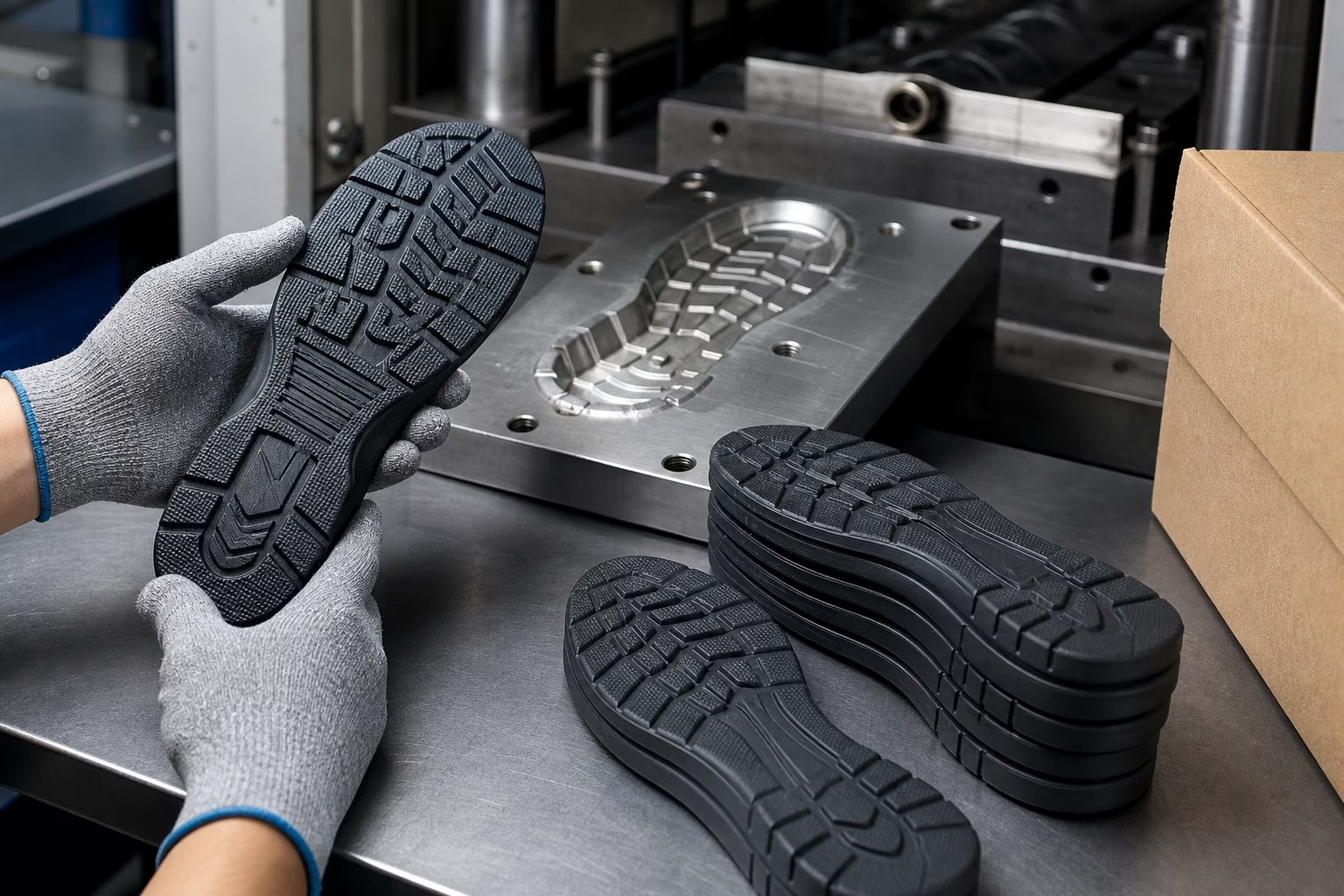
Use the Approved Outsole Sample as the Production Gate
The approved sample is the control point between development and bulk production. It gives both parties a physical or documented reference for the outsole that has been accepted for the programme. The approval record should identify the material, colour, appearance, construction and size coverage accepted by the buyer. It should also state any required test criteria. If only selected sizes are sampled, the record should make clear how the remaining production sizes are controlled against the agreed specification. Sample timing depends on the mould route. Samples using an existing mould can be available in five days. If a new mould must be opened, samples can be available within one month. These are separate routes, and the new-mould timing must not be treated as though the tooling already exists. Our footwear sample development service provides more detail on the existing-mould and new-mould paths. Production should move forward only after the relevant sample and its acceptance basis have been confirmed.
Set Physical and Chemical Test Requirements Before Sampling
Testing requirements affect product review, sample preparation and quotation. They should be stated at the start of the programme rather than introduced after the outsole has already been approved. WENCHANG can support physical testing for slip resistance, abrasion resistance, colour fastness to yellowing and light fastness. We can also support chemical testing for REACH requirements. The required test item does not by itself define the full test plan. The buyer should also provide the applicable method, target requirement, sample expectations and acceptance criteria for the specific programme. For a structured test brief, review our guide to planning outsole testing requirements . Test support does not replace the need to confirm programme-specific methods and thresholds.
Slip Resistance:
Confirm the required test method and acceptance requirement for the intended outsole programme.
Abrasion Resistance:
State the method and result criteria that must be used for assessment.
Colour Fastness to Yellowing:
Identify when this test is required and which colour or sample construction is covered.
Light Fastness:
Define the relevant colour, test method and acceptance basis.
REACH-Related Testing:
Provide the chemical testing scope required for the project rather than assuming one general requirement applies to every order.
Control Bulk Production Against the Accepted Reference
After sample approval, the accepted sample and agreed specification guide bulk outsole production. WENCHANG uses four inspection stages: incoming material inspection, first-article review, in-process checks and final inspection. These stages serve different control purposes. Product testing and production inspection are also separate activities: an inspection checks production against agreed references, while a test assesses a defined property using a stated method and acceptance requirement. Bulk production normally takes fifteen to twenty working days after sample approval. Final timing depends on the order quantity and actual styles. Our one-to-one project follow-up covers production updates and inspection, helping the buyer track the programme against the agreed reference.
Incoming Material Inspection
Checks the material entering the production route against the order requirements.
First-Article Review
Examines the initial production output before continued production.
In-Process Checks
Monitor the outsoles while the order is being produced.
Final Inspection
Reviews the completed products before the production stage is closed.
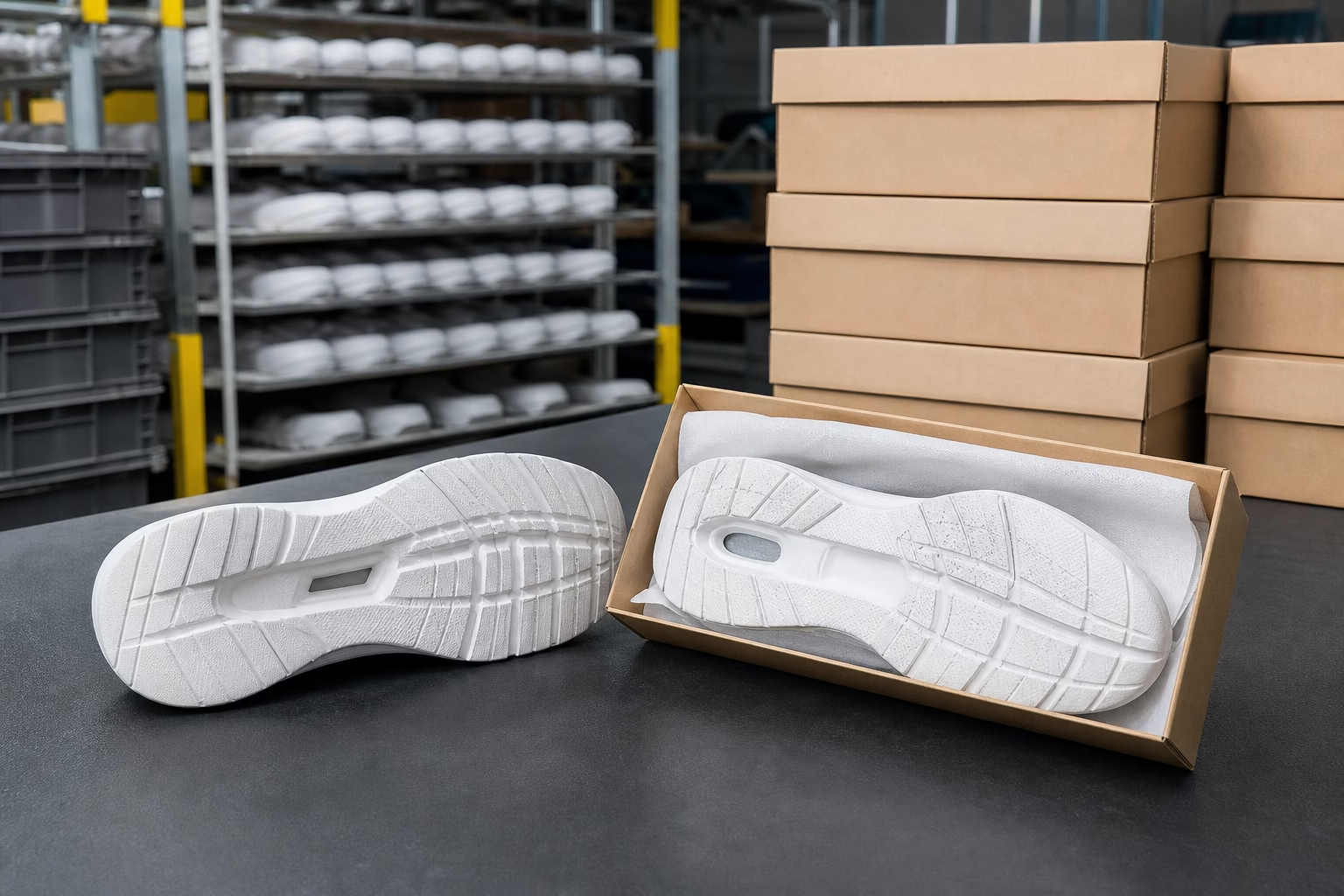
Send Your Sport Shoe Programme for Review
Share the outsole reference, material or construction, size run, quantity, mould status, test brief and required schedule. We will use these details to review the correct sample and production route for your programme. Plan your sport shoe outsole order
FAQ
Frequently Asked Questions
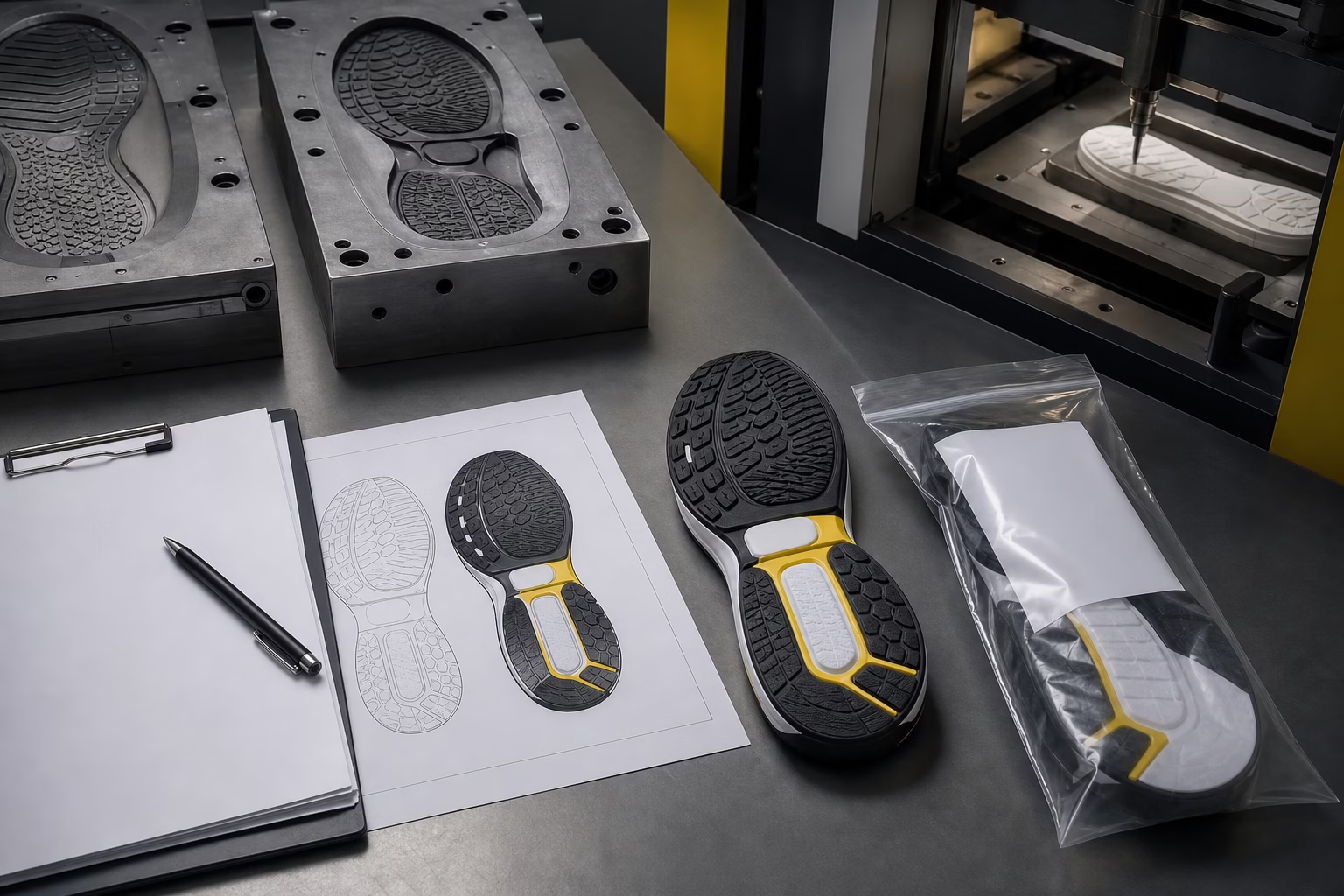
Prepare the Sport Shoe Outsole Order for Quotation
A quotation review can begin when the programme connects the outsole design to its production and acceptance requirements. The final order brief should bring together the style, quantity, complete size run, material or process, colour, mould status, sample status, testing requirements, packaging, destination and required schedule. The standard minimum order quantity is one thousand pieces per style. A six-hundred-piece trial order may be accepted for selected products, subject to the product, design or process requirements and project review. The smaller quantity is not a general minimum order quantity for every outsole. When sending the enquiry, identify any information that is still under review. For example, state if the material has been selected but the test method is pending, or if the full size run is known but a new mould assessment is still required. This allows the open decisions to be addressed without treating assumptions as confirmed specifications.