Outsole Material Comparison Guide for Footwear Projects
Jinjiang WENCHANG Footwear Materials Co., Ltd. Supplies TPR, RB rubber, MD Phylon, PU and ETPU combined outsoles for footwear designers, sourcing teams, shoe factories, brands and importers. WENCHANG supports material review, mould development, sampling, inspection and bulk production planning for defined B2B projects. Compare each material family against the footwear construction, design, process, testing and approval requirements.
Start with the Footwear Project, Not the Material Name
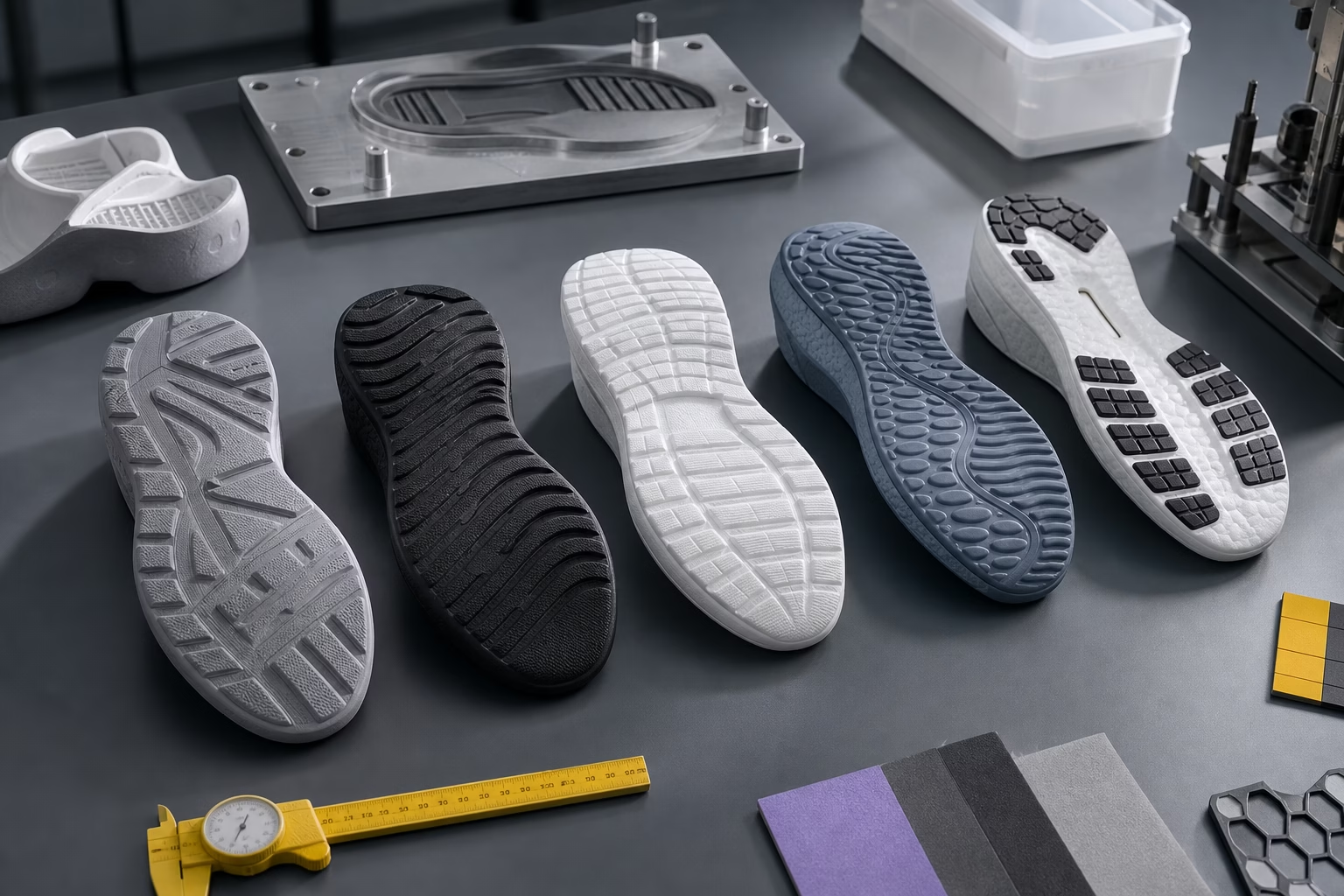
The correct selection rule is simple: choose an outsole material by matching it to the product design, construction, production route, mould status, intended use and test requirements. A material name alone does not prove grip, abrasion life, weight, flexibility, cost or suitability for a particular shoe. For example, two outsole concepts may use the same material family but require different geometry, thickness distribution, surface details, colours, size ranges or connections to other footwear parts. Those differences can change the development questions and the evidence needed for approval. A useful comparison brief records:
The Footwear Type and Intended Use.
The Outsole Geometry, Tread or Surface Details and Thickness Requirements.
The Size Range and Connection with the Other Footwear Components.
The Proposed Material Family and Any Combined Construction.
The Available Mould, Planned New Mould or Customer-Owned Mould.
The Visual Requirements, Including Colour and Surface Appearance.
The Physical or Chemical Tests Required for the Project.
The Sample Criteria That Must Be Met Before Bulk Production.
Compare the Five Outsole Families by Decision Questions
WENCHANG supplies five verified outsole families: TPR, RB rubber, MD Phylon, PU and ETPU combined outsoles. The table below does not rank them. It shows the questions that should be answered before one option is selected. RB means rubber in this comparison. An ETPU combined outsole needs more than a material name: the complete component structure, the role of each part and the connection between parts must be defined before the project can be assessed properly.
TPR
What geometry, thickness distribution, colour and surface details must the outsole reproduce? — Is the proposed mould suitable for the TPR injection route? Is a new mould or an existing mould involved? — Sample appearance, dimensions, fit, agreed inspection points and required physical or chemical tests.
What reference, drawing, tread form, colour and size range define the rubber outsole? — Which production process is intended for this project, and how does the mould support that process? — Approved sample, project-specific test scope and inspection records agreed for production.
MD Phylon
What shoe construction, outsole form, visual finish and size run must be reviewed? — Which process and mould route are required? Can an existing mould be used, or is new development needed? — Sample review against the design brief, plus any required physical or chemical testing.
PU
What product reference, geometry, colour and connection details define the PU outsole? — Which production process should be confirmed with the supplier, and what mould information is available? — Defined sample criteria, inspection requirements and project-specific test evidence.
Which materials or components form the combined outsole, and how do they connect within the footwear design? — How will each component be produced, joined and matched to the mould or interface? — Complete structure brief, sample approval, inspection plan and required physical or chemical tests.
Questions to Take to an Outsole Supplier
For a TPR project, ask whether the proposed mould and design are compatible with the intended injection route. Confirm the material, colour, outsole geometry, size range and appearance requirements. Ask what the sample must demonstrate before approval and which tests are required for the finished product. For RB rubber, provide a drawing, artwork, physical reference or other usable product information. Ask the supplier to confirm the intended production process rather than assuming that the TPR process applies. The review should also cover tread or surface details, colour, size range, mould status and the evidence needed for approval. For MD Phylon or PU, define the product construction and the outsole design before comparing suppliers or development routes. Confirm the applicable process, mould compatibility, sample requirements and inspection method with the supplier. Material selection should remain connected to the actual project rather than to a general performance claim. For an ETPU combined outsole, ask the supplier to identify every material layer or component, its purpose and its interface with the other parts. Confirm how the combined structure is represented in the design, mould and sample. A complete technical brief prevents a broad material label from hiding unresolved construction questions.
TPR Outsole Review
For a TPR project, ask whether the proposed mould and design are compatible with the intended injection route. Confirm the material, colour, outsole geometry, size range and appearance requirements. Ask what the sample must demonstrate before approval and which tests are required for the finished product.
RB Rubber Outsole Review
For RB rubber, provide a drawing, artwork, physical reference or other usable product information. Ask the supplier to confirm the intended production process rather than assuming that the TPR process applies. The review should also cover tread or surface details, colour, size range, mould status and the evidence needed for approval.
MD Phylon and PU Review
For MD Phylon or PU, define the product construction and the outsole design before comparing suppliers or development routes. Confirm the applicable process, mould compatibility, sample requirements and inspection method with the supplier. Material selection should remain connected to the actual project rather than to a general performance claim.
ETPU Combined Outsole Review
For an ETPU combined outsole, ask the supplier to identify every material layer or component, its purpose and its interface with the other parts. Confirm how the combined structure is represented in the design, mould and sample. A complete technical brief prevents a broad material label from hiding unresolved construction questions.
Check the Production Route and Mould Before Approval
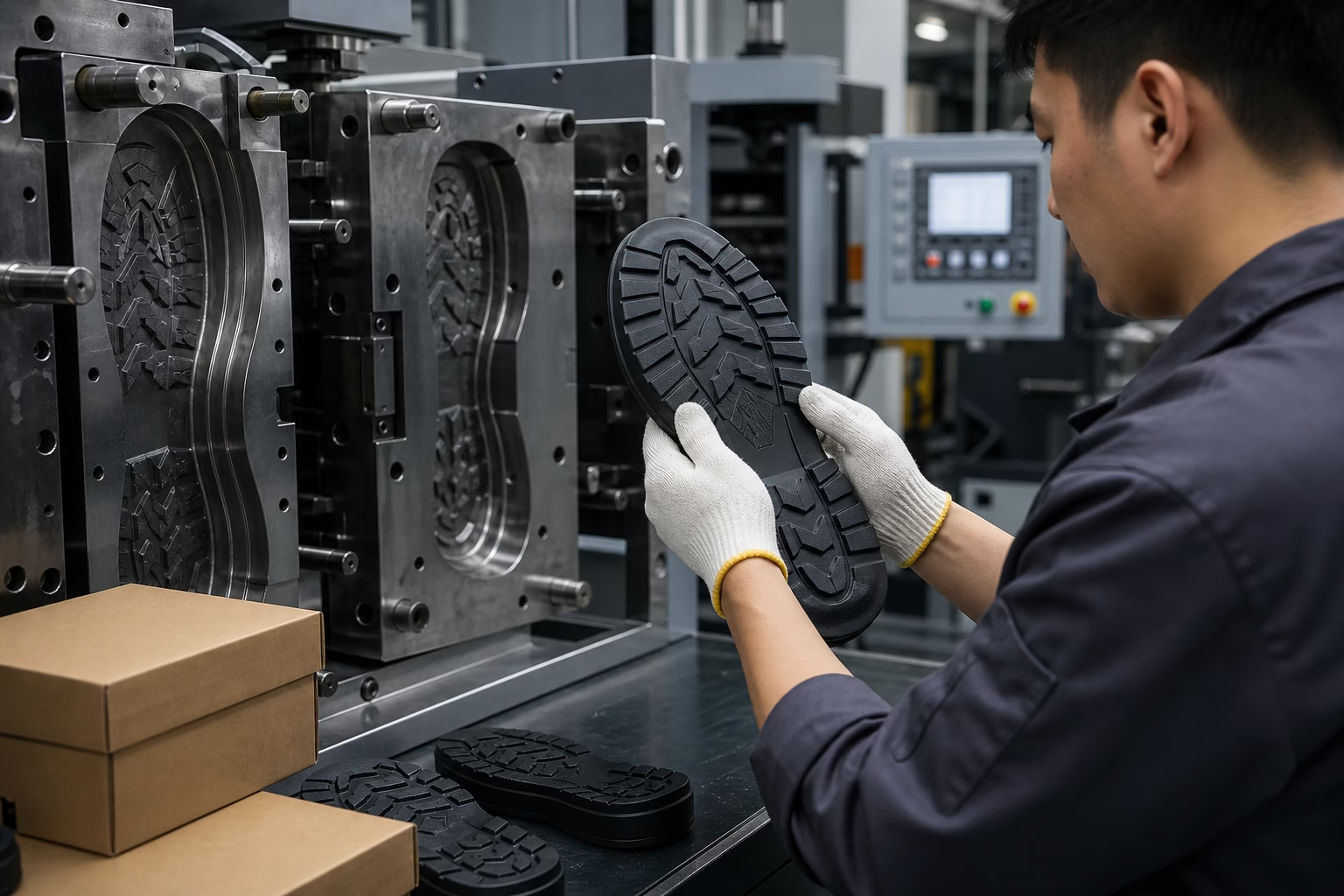
Material selection must be checked against the available production setup. A mould may be newly developed, already available or supplied by the customer. Its geometry, material requirements and production compatibility need to be reviewed before a sample can represent the intended product accurately. For TPR, WENCHANG can use the following verified process sequence as a concrete compatibility reference: mould development, material, injection, cooling forming, trimming, quality inspection and packaging. Each stage has a different role. The mould establishes the intended form, injection creates the outsole, cooling forming supports the formed part, trimming removes unwanted material, inspection checks the product and packaging prepares it for handling. This sequence is a TPR process example. It should not be treated as the production sequence for RB rubber, MD Phylon, PU or ETPU combined outsoles. For those families, the intended process must be confirmed for the individual project. The same principle applies to customer-owned tooling: the mould information and compatibility need review before production planning. Our footwear outsole product families provide the commercial starting point, while custom outsole development connects the design brief with material, mould, sample and approval decisions.
Use Testing Requirements to Narrow the Comparison
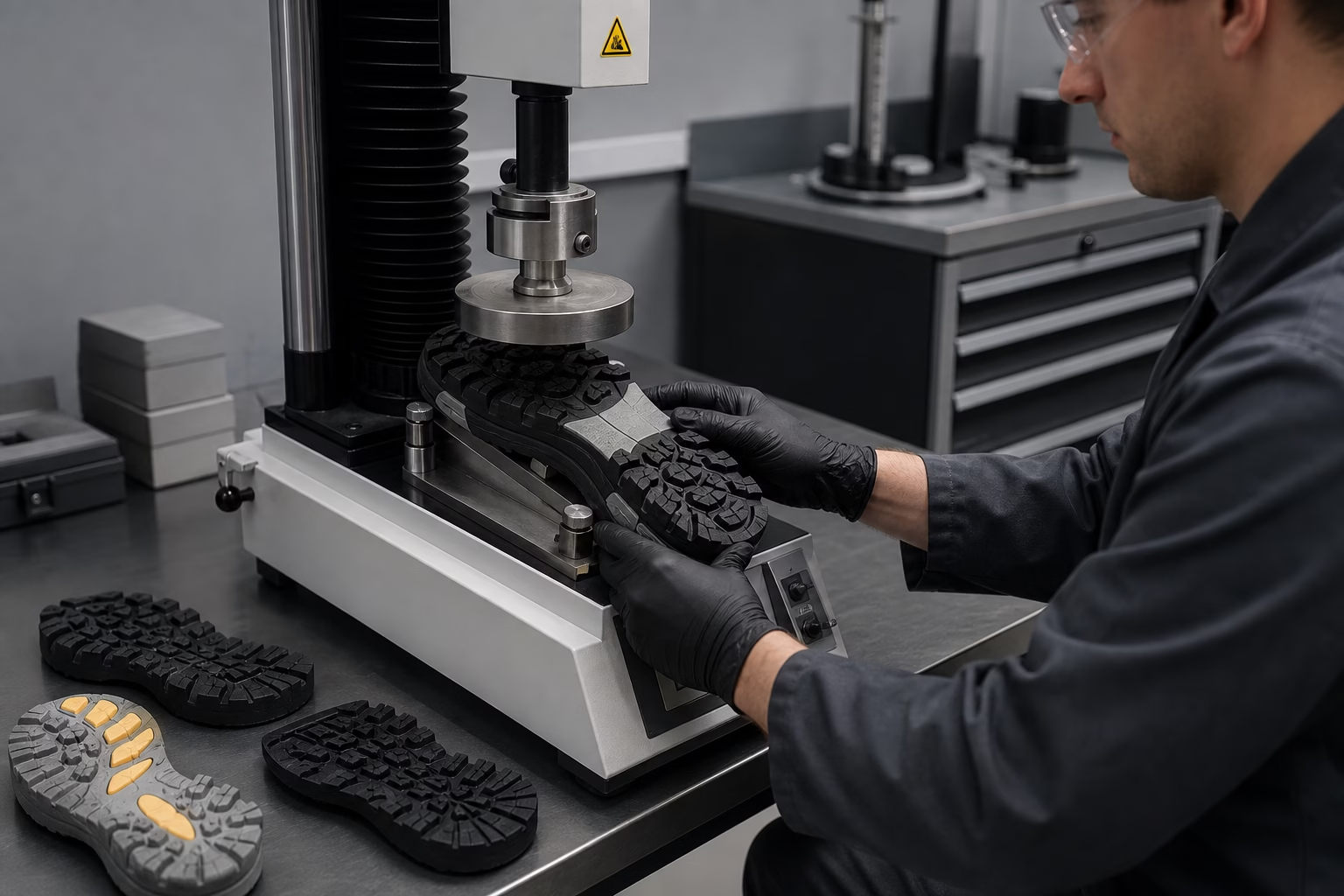
Testing is part of material selection because it defines the evidence needed before approval. WENCHANG can supply products complying with project-specific test requirements covering slip resistance, abrasion resistance, colour fastness to yellowing, light fastness and chemical testing for REACH compliance. These test categories do not establish a universal ranking among the five outsole families. The test method, sample scope, acceptance criteria and required document must be agreed for the individual product. A buyer should state those requirements early so the supplier can review them with the material and construction brief. Production inspection and product testing are different controls. WENCHANG's verified inspection stages are incoming material inspection, first-article review, in-process checks and final inspection. These checks address production control. Physical or chemical testing addresses the specific properties or compliance requirements defined for the project. For more detailed planning, see outsole testing requirement planning . The resource covers how to communicate required test items without treating a general statement as blanket evidence for every product.
Validate the Selected Material with an Agreed Sample
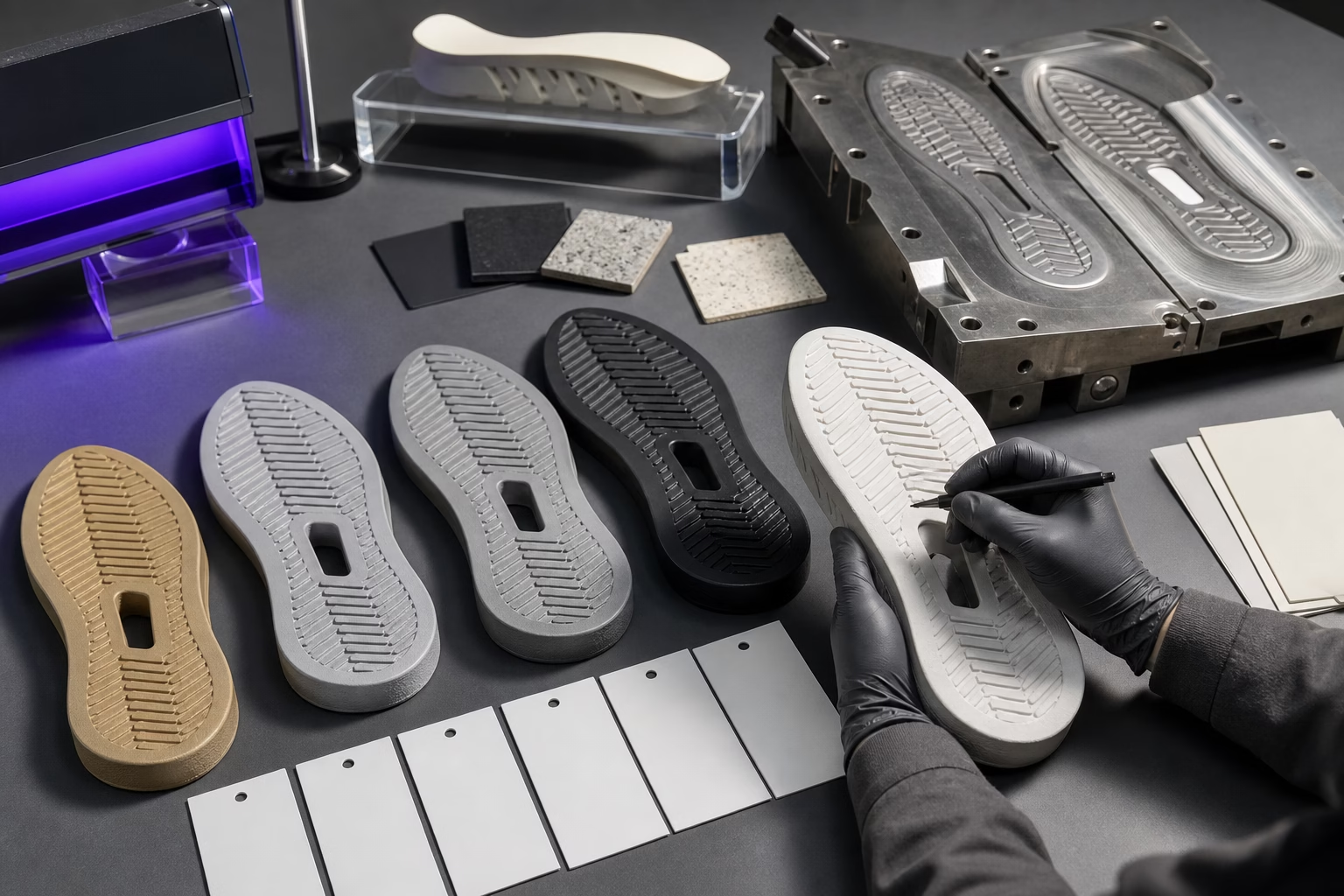
The final material decision should be based on an agreed sample and a documented specification, not on the material label alone. The sample review can cover the design form, appearance, dimensions, fit, colour, surface details and connection with the footwear. Where testing is required, the test sample and evidence scope should be recorded separately from the visual or dimensional review. A practical approval record identifies: WENCHANG's footwear sample development service is the appropriate route for discussing sample preparation and approval. Timing depends on the project route and is covered separately on that service page.
The Selected Outsole Family and Complete Construction.
The Drawing, Artwork, Reference or Revision Used for Review.
The Mould Route and Any Unresolved Compatibility Questions.
The Visual, Dimensional and Fit Criteria for Sample Approval.
The Physical or Chemical Tests, Methods and Acceptance Criteria Required.
The Inspection Stages and Evidence Needed During Production.
The Changes That Must Be Resolved Before Bulk Production Is Released.
Record the Decision Before Moving to Sourcing
A material comparison record should make the next decision visible. List the candidate material, why it remains under consideration, what process and mould questions are unresolved, which tests are required and what evidence must be available before approval. Jinjiang WENCHANG Footwear Materials Co., Ltd. Supplies TPR, RB rubber, MD Phylon, PU and ETPU combined outsoles to B2B footwear designers and sourcing teams. The supplier relationship is strongest when the material choice is tied to a defined product, a confirmed construction and a clear approval basis. When your comparison record is ready, use the footwear and outsole quotation route . Include the material under review, the product reference or design information, the mould status, the required sample criteria and any testing requirements. This gives the project team a clear starting point for material review.
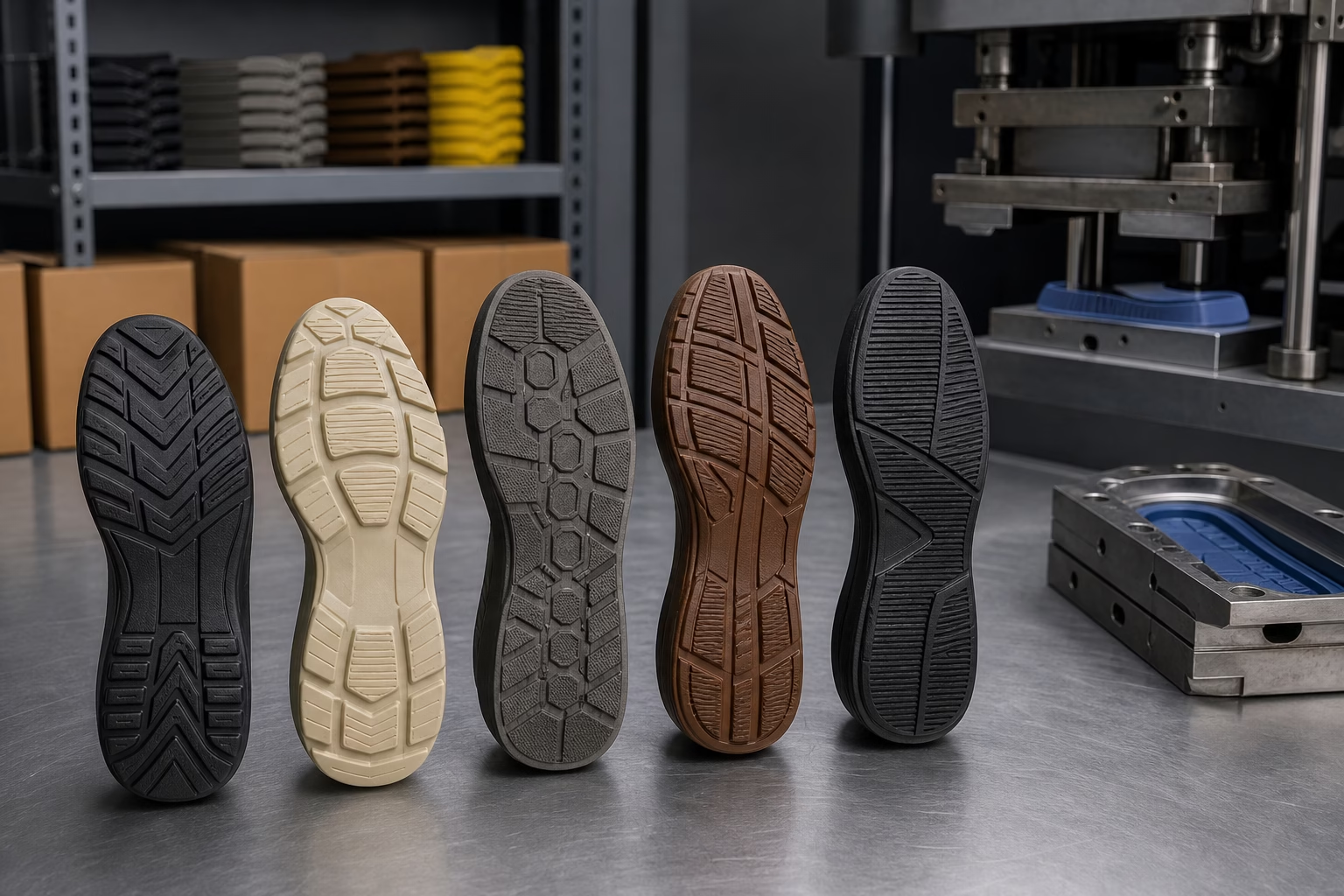
How to Compare Outsole Materials
Compare outsole product families or compare material options with WENCHANG .
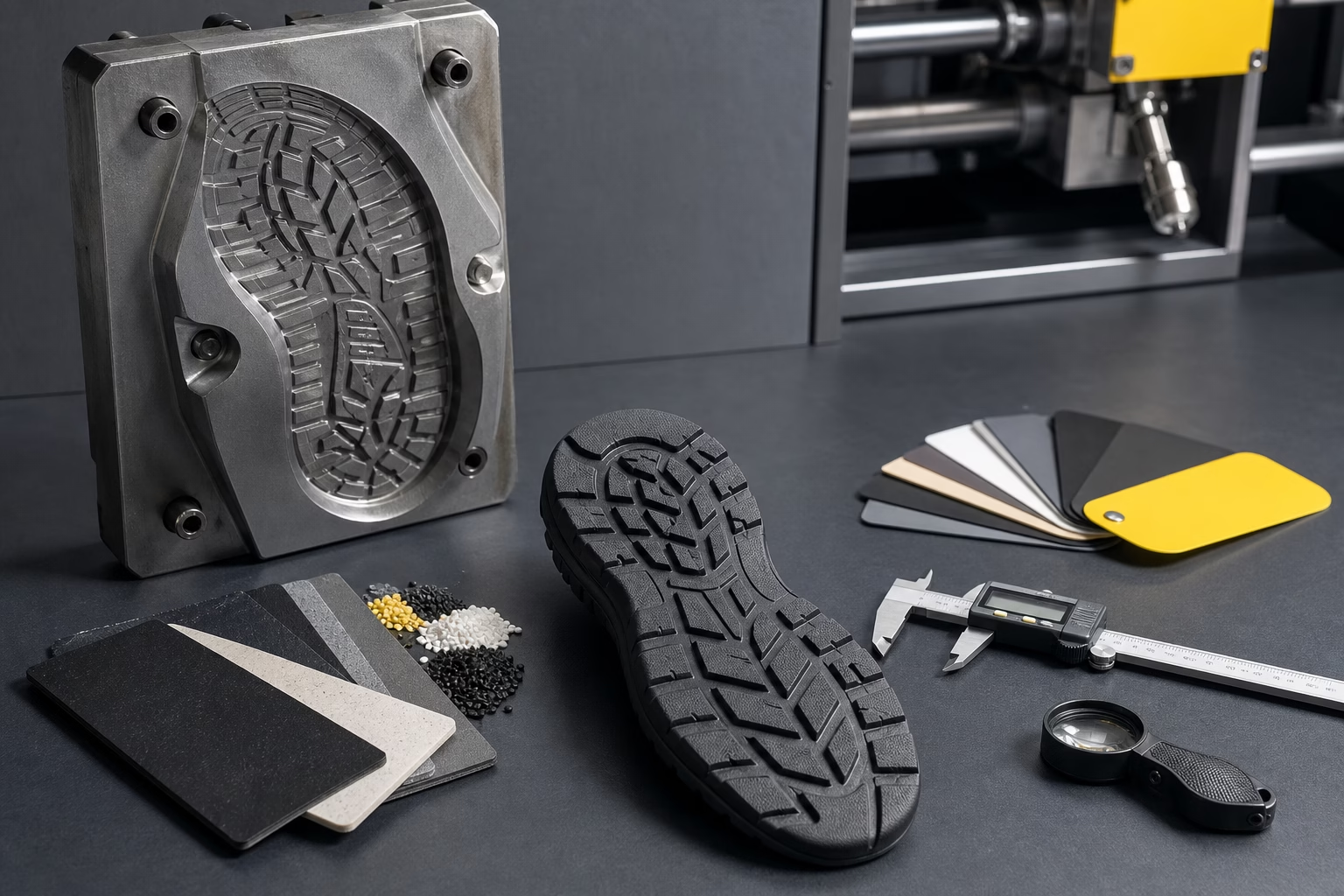
Related Information
FAQ
Frequently Asked Questions
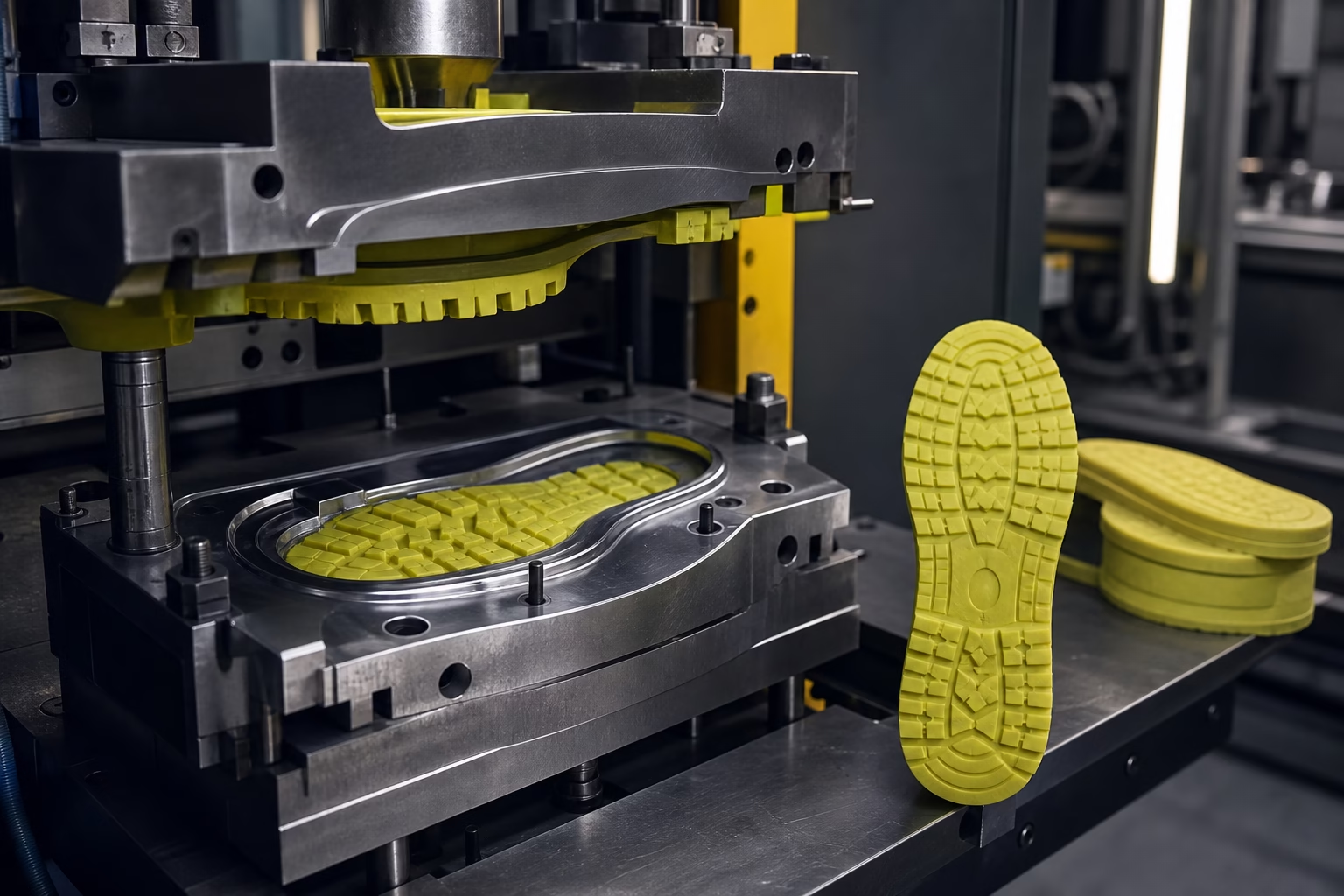
Start Your Project
Discuss Your Footwear or Outsole Project
Share the product type, artwork or reference, material or process, mould status, size run, quantity, colour, packaging, destination and testing requirements. The WENCHANG team will review the appropriate sourcing and development route.