Customer-Owned Outsole Mould Production with WENCHANG
Jinjiang WENCHANG Footwear Materials Co., Ltd. Is a direct outsole manufacturer that reviews buyer-owned tooling for production cooperation. This route serves footwear factories and brands that already own an outsole mould and need to assess its compatibility with the intended material, specification and production setup. Our outsole supply scope includes TPR, RB rubber, MD Phylon, PU and ETPU combined outsoles. Each external mould is assessed as a separate project. Mould ownership does not automatically confirm compatibility with our equipment, production process or the planned outsole order. Send the available mould records, product specification and order requirements so that WENCHANG can identify an appropriate review route.
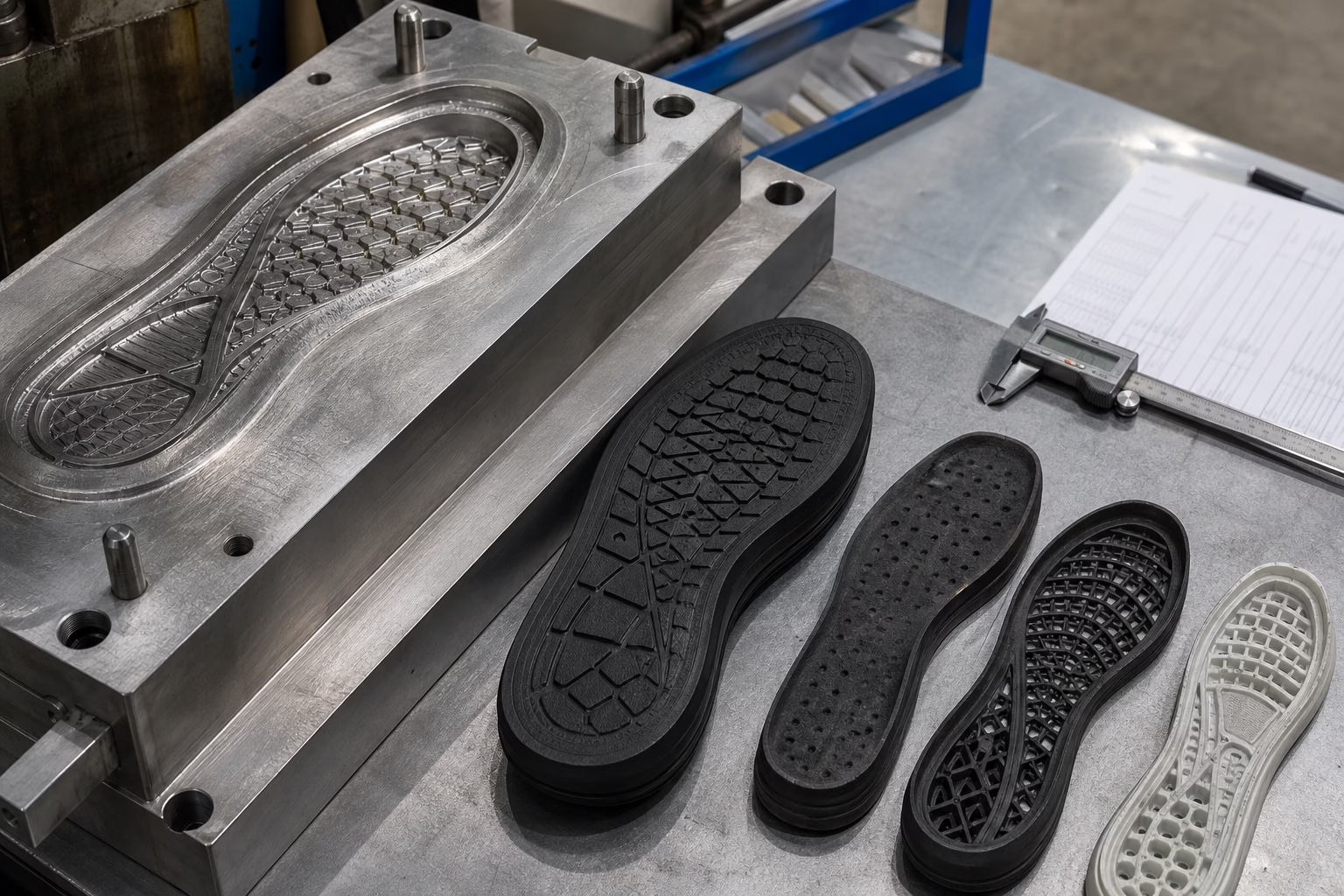
When Existing-Mould Cooperation Is the Right Route
This cooperation route is intended for a footwear factory or brand that owns an existing outsole mould and wants WENCHANG to assess it for B2B outsole production. It is different from a project that requires a new mould to be developed. The starting question is not only whether a mould exists. The mould, intended outsole and production requirements must be considered together. A review needs to connect the tooling record with the planned material, size range, colour, quantity and production process. Existing-mould cooperation may be suitable when: If the project needs new tooling rather than a review of buyer-owned tooling, the separate outsole mould opening route is more relevant.
Your Company Owns or Controls the Outsole Tooling.
The Intended Outsole Design and Size Coverage Are Already Defined.
You Can Provide Mould Records, Photographs or Specifications for Assessment.
You Have an Outsole Reference, Existing Sample or Clear Production Requirement.
You Are Prepared to Confirm a Sample Before Production Planning.
Prepare the Mould Records for an Initial Assessment
A useful review begins with an accurate information package. The records should identify the mould clearly and show how it relates to the outsole you want to produce. Missing or conflicting information can prevent a production route from being confirmed. Provide the available tooling information, including: Use our secure submission route to upload footwear artwork, mould records and specifications . This keeps file-heavy technical information connected to the correct project.
Mould Drawings, Specifications or Identification Records.
Clear Photographs Showing the Available Tooling.
The Sizes Covered by the Mould or Mould Set.
The Intended Outsole Material and Production Process.
A Current Outsole Sample or Other Product Reference, When Available.
Known Production History That May Help Explain Previous Use.
The Name of the Mould Owner.
The Mould’s Current Location.
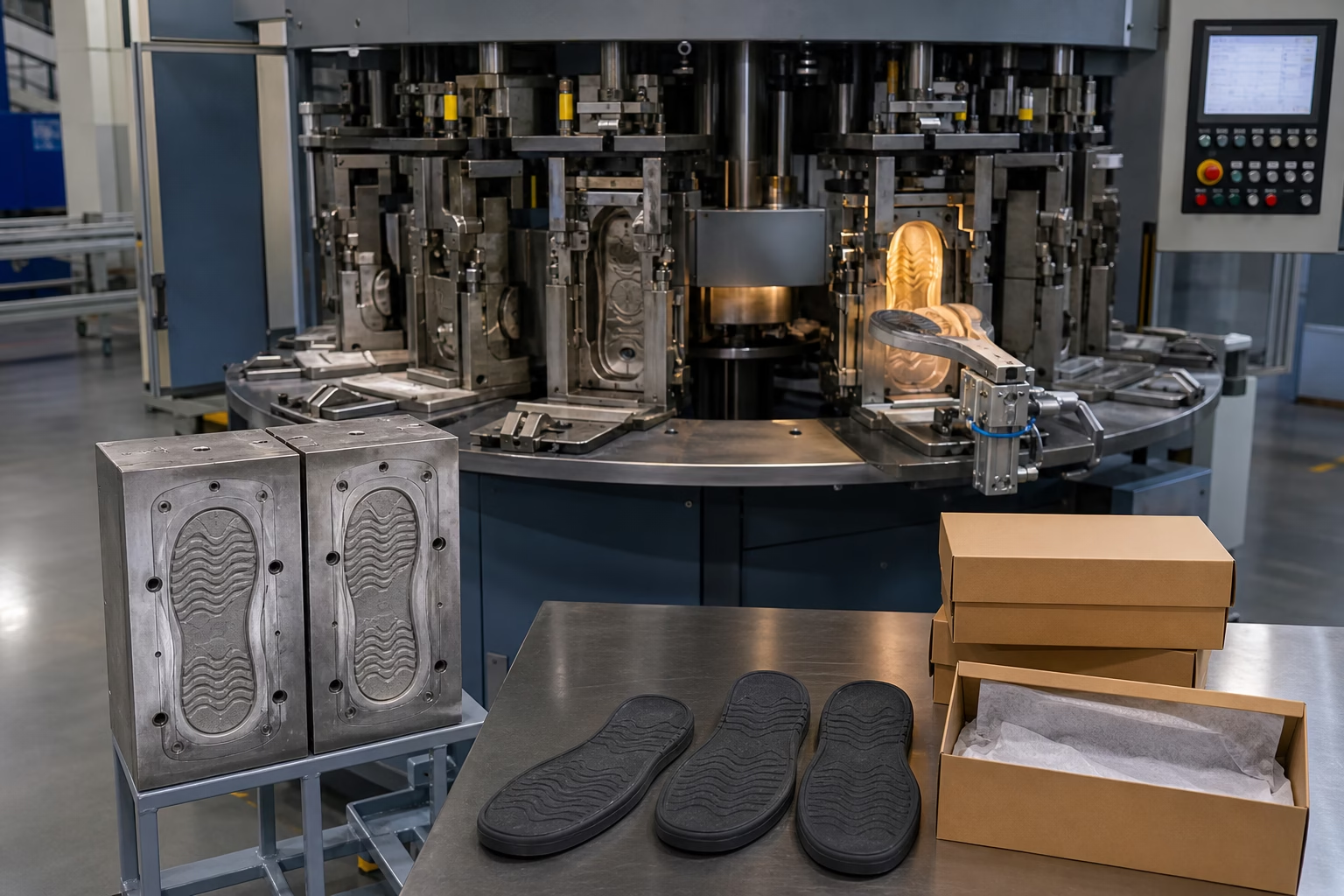
How We Compare Your Tooling with the Production Setup
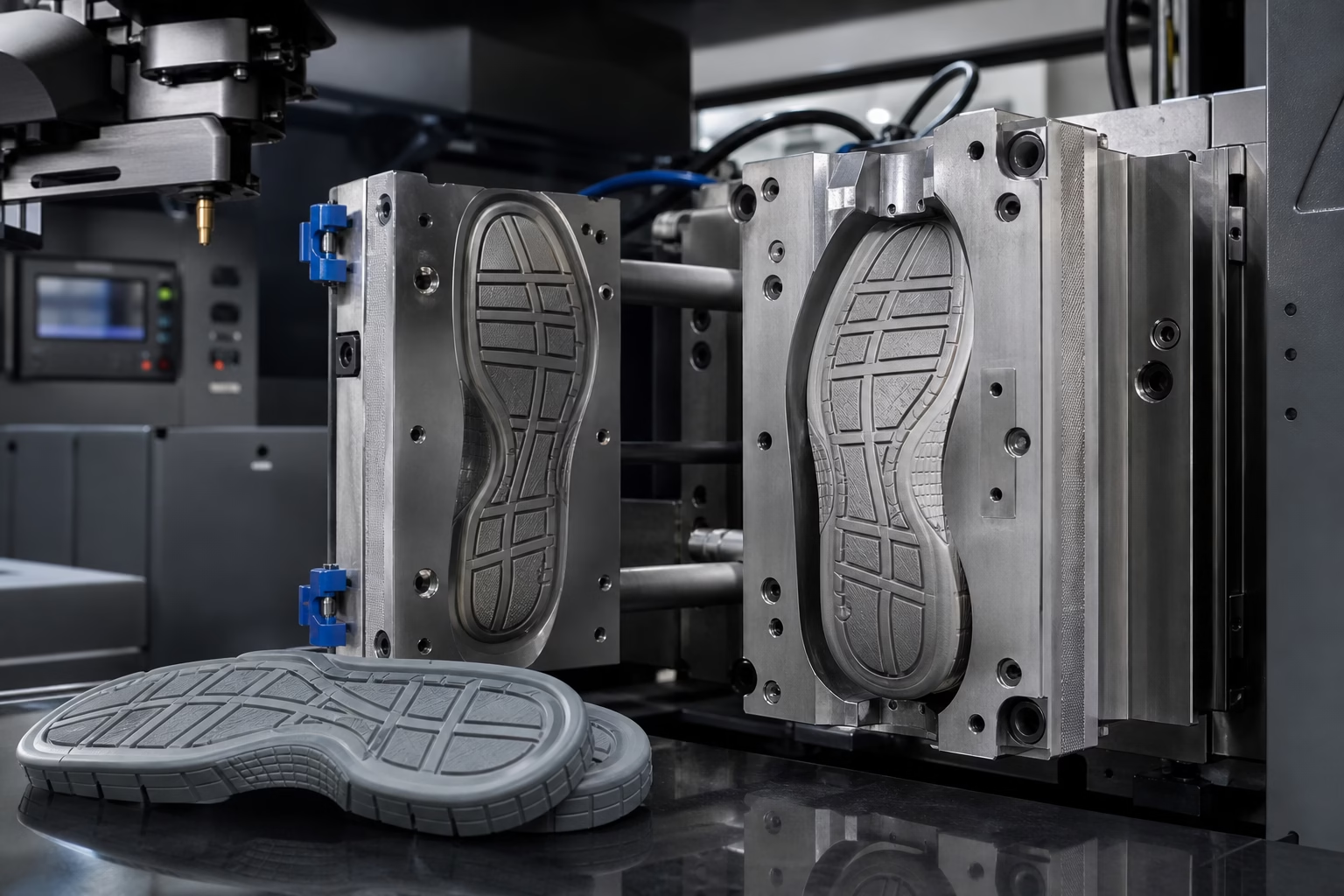
Tooling compatibility is assessed by comparing the customer-owned mould, intended material, required process and available production equipment. The result may confirm a possible route, identify information gaps or show that compatibility cannot yet be established. WENCHANG operates three sets of TPR rotary-disk injection machines. This equipment fact applies specifically to our TPR injection capability. It does not mean that every external TPR mould will fit the machines, and it must not be treated as evidence that the same equipment is used for RB rubber, MD Phylon, PU or ETPU combined outsoles. For TPR projects, the verified production context includes mould development, material, injection, cooling forming, trimming, quality inspection and packaging. An existing mould must be considered in relation to this production route rather than assessed as an isolated item. Buyers who need more equipment detail can review our TPR rotary-disk injection capability . Final suitability remains subject to the specific tooling and outsole brief.
Match the Mould to the Planned Outsole Specification
A technically usable mould still needs to match the product you intend to order. The review should connect each tooling record to one clear outsole specification and expose any differences between the mould information and the required product. Not every listed material can be produced from every customer-owned mould. The proposed material and process must be assessed for the specific tooling rather than assumed from the mould’s ownership or previous use.
Outsole Type
Footwear application and product reference — Connects the mould to the intended outsole project.
Material or Process
TPR, RB rubber, MD Phylon, PU, ETPU combined or another defined requirement — Allows the intended material route to be considered with the tooling.
Size Run
Required sizes and mould coverage — Shows whether the available tooling corresponds to the order range.
Colour
Required colour information and reference — Links the visual requirement to the proposed sample.
Quantity
Required order quantity by style or size where relevant — Provides context for quotation and production planning.
Reference
Existing sample, drawing or product reference — Creates a basis for comparing the intended outsole with the tooling record.
Possible Findings from an Existing-Mould Review
An existing-mould review should produce a clear project decision: the available information supports the next assessment stage, more records are required, or the proposed production route cannot yet be confirmed. Open questions and project assumptions should be recorded before sampling. We do not treat an existing mould as automatically accepted, and a compatibility review does not promise mould modification, repair or direct release to production. Our one-to-one project follow-up can cover artwork, samples, production updates, inspection and shipment tracking. This gives the buyer and our team a consistent contact route as the project moves through the relevant stages.
Information Is Sufficient for the Next Step.
The tooling record and outsole brief provide a workable basis for discussing a project-specific sample.
Further Details Are Required.
The review identifies missing mould, material, size or process information that must be resolved first.
Compatibility Remains Unconfirmed.
The available records do not establish that the mould can be used with the proposed production setup.
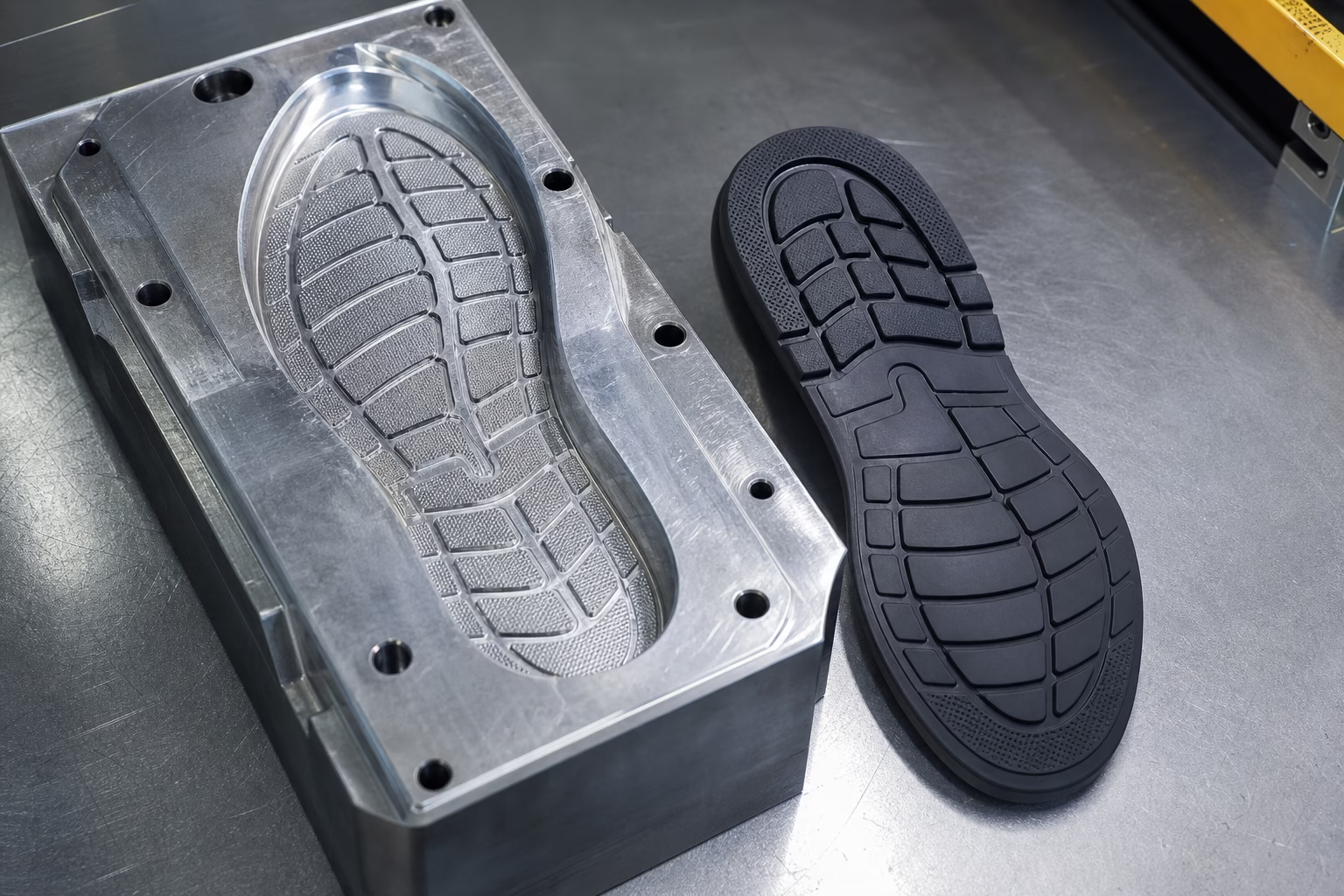
Use a Project Sample as the Practical Confirmation Point
A project-specific sample is the practical checkpoint between an initial compatibility finding and production planning. It allows the proposed outsole to be compared with the agreed reference, specification and testing requirements. Before a sample is requested, the buyer and WENCHANG should agree what will be checked. The review basis may include the outsole form, size coverage, material or process, colour, reference sample and any stated test requirements. The exact acceptance basis depends on the product specification supplied for the project. Tooling ownership alone is not a substitute for sample confirmation. A sample provides a product-level reference that can support the later planning decision. For the dedicated process and request route, review our footwear sample development and approval service .
Set Inspection and Testing Requirements Before Planning
Inspection criteria and required test items should be stated before quotation and production planning. This is especially important when the outsole must be assessed against a buyer-defined physical or chemical testing requirement. Our verified quality-control stages are: Available outsole test items include slip resistance, abrasion resistance, colour fastness to yellowing or light fastness, and REACH compliance testing. The buyer should state the required test items and acceptance requirements in the project brief. Available testing support does not establish a universal performance threshold or blanket compliance for every product. See the four-stage footwear inspection process when preparing the inspection requirements for your proposed outsole.
Incoming Material Inspection
Before the material enters the relevant production route.
First-Article Review
To check the initial production output.
In-Process Checks
During production.
Final Inspection
After production is completed.
Submit a Complete Existing-Mould Production Brief
Once the mould records and intended outsole have been connected, provide the commercial and technical context needed for a project review. A complete brief supports compatibility assessment, quotation and later production planning without relying on assumptions. Please include: We will use these inputs to review the project route. Quotation and production planning follow only after the available mould information, compatibility questions and sample route have been assessed. Request a project-specific quotation when your tooling and order brief are ready.
Product Type and Intended Footwear Application.
Mould Drawings, Photographs, Specifications and Ownership Information.
Artwork, an Outsole Reference or an Existing Sample.
Required Quantity and Size Run.
Material or Production-Process Requirement.
Colour Specification.
Packaging Requirement.
Destination and Required Schedule.
Physical or Chemical Testing Requirements, Where Applicable.
Questions About Production from Buyer-Owned Tooling
Provide the available mould drawings or specifications, clear photographs, size coverage, intended material, product reference and known production history. Identify the mould owner and tell us where the tooling is currently located. The review also needs the planned quantity, colour, packaging, destination, schedule and any testing requirements. Yes. WENCHANG reviews customer-owned tooling for B2B outsole projects, subject to project-specific compatibility assessment. We need to consider the mould records, intended outsole, material or process, size run and order requirements before a production route can be discussed. We compare the supplied tooling information with the intended material, production process and available equipment. WENCHANG has three sets of TPR rotary-disk injection machines, but this does not confirm that a particular external mould will fit. Compatibility is an assessment outcome, not an automatic acceptance. The intended material can be included in the review, but the same mould must not be assumed to suit every material or production route. WENCHANG supplies TPR, RB rubber, MD Phylon, PU and ETPU combined outsoles, while each mould-and-material combination requires project-specific assessment. A project sample is the practical confirmation point after the mould review and before production planning. It gives both parties a physical reference for checking the agreed outsole specification and any stated test requirements. The exact sample route depends on the project. State the required test items and your acceptance requirements. Available items include slip resistance, abrasion resistance, colour fastness to yellowing or light fastness, and REACH compliance testing. These requirements should be included before quotation and production planning.
What Information Should We Provide for a Customer-Owned Outsole Mould Review?
Provide the available mould drawings or specifications, clear photographs, size coverage, intended material, product reference and known production history. Identify the mould owner and tell us where the tooling is currently located. The review also needs the planned quantity, colour, packaging, destination, schedule and any testing requirements.
Can WENCHANG Review Bulk Outsole Production Using Tooling Owned by Our Factory?
Yes. WENCHANG reviews customer-owned tooling for B2B outsole projects, subject to project-specific compatibility assessment. We need to consider the mould records, intended outsole, material or process, size run and order requirements before a production route can be discussed.
How Do You Check Whether Our Outsole Mould Is Compatible with Your Equipment?
We compare the supplied tooling information with the intended material, production process and available equipment. WENCHANG has three sets of TPR rotary-disk injection machines, but this does not confirm that a particular external mould will fit. Compatibility is an assessment outcome, not an automatic acceptance.
Can the Same Mould Be Reviewed for TPR, Rubber, MD Phylon, PU or ETPU Combined Outsoles?
The intended material can be included in the review, but the same mould must not be assumed to suit every material or production route. WENCHANG supplies TPR, RB rubber, MD Phylon, PU and ETPU combined outsoles, while each mould-and-material combination requires project-specific assessment.
Is a Sample Required Before Production Planning with an Existing Mould?
A project sample is the practical confirmation point after the mould review and before production planning. It gives both parties a physical reference for checking the agreed outsole specification and any stated test requirements. The exact sample route depends on the project.
What Testing Requirements Should We State Before the Mould Project Is Assessed?
State the required test items and your acceptance requirements. Available items include slip resistance, abrasion resistance, colour fastness to yellowing or light fastness, and REACH compliance testing. These requirements should be included before quotation and production planning.
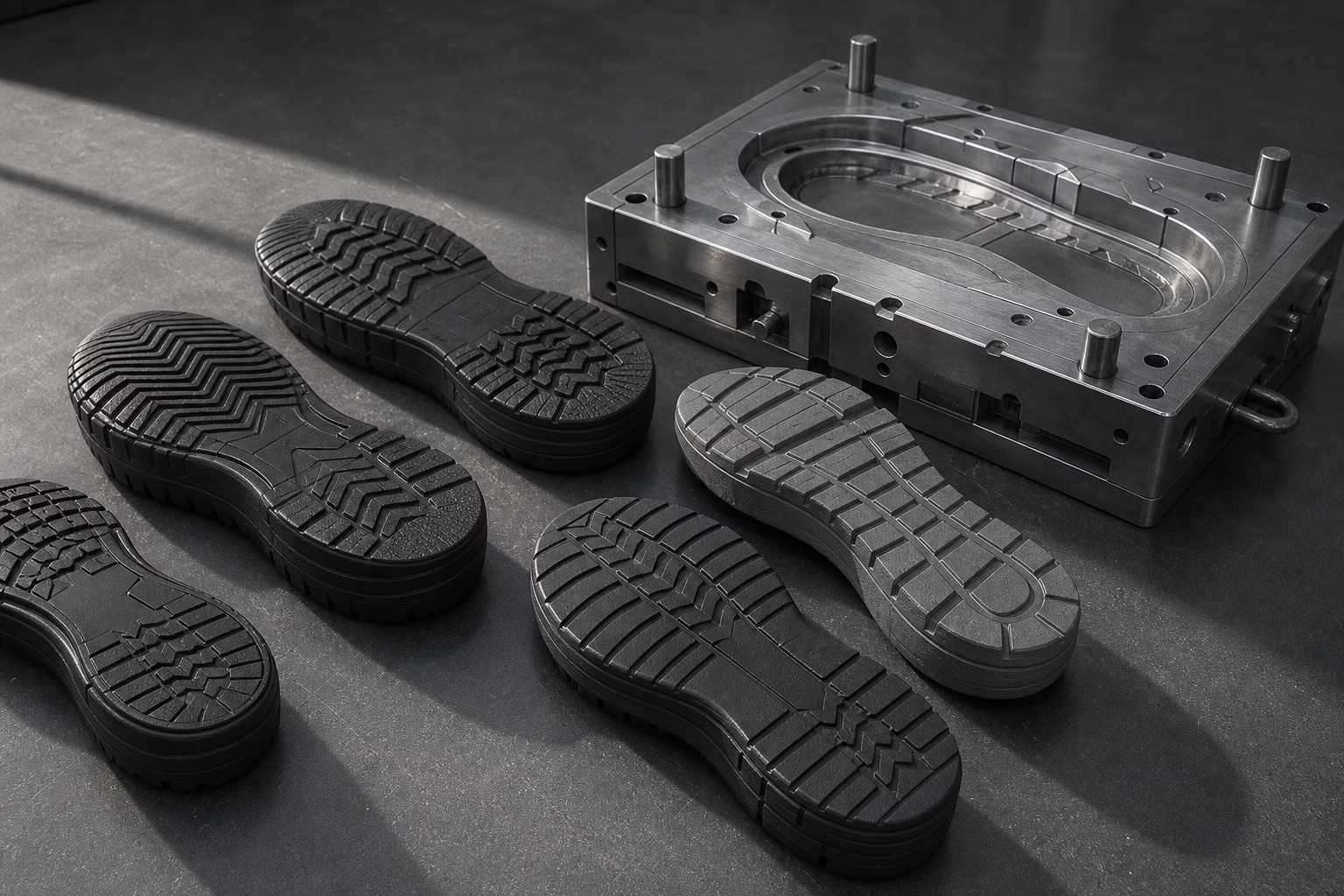
Ask WENCHANG to Assess Your Existing Tooling
Send the mould records and planned outsole specification for a project-specific assessment. We will review the available information against the intended product, material, process and production setup, then identify the appropriate next step. Review your existing mould project
FAQ
Frequently Asked Questions
Start Your Project
Discuss Your Footwear or Outsole Project
Share the product type, artwork or reference, material or process, mould status, size run, quantity, colour, packaging, destination and testing requirements. The WENCHANG team will review the appropriate sourcing and development route.