TPR Outsole Manufacturer for Defined Footwear Projects
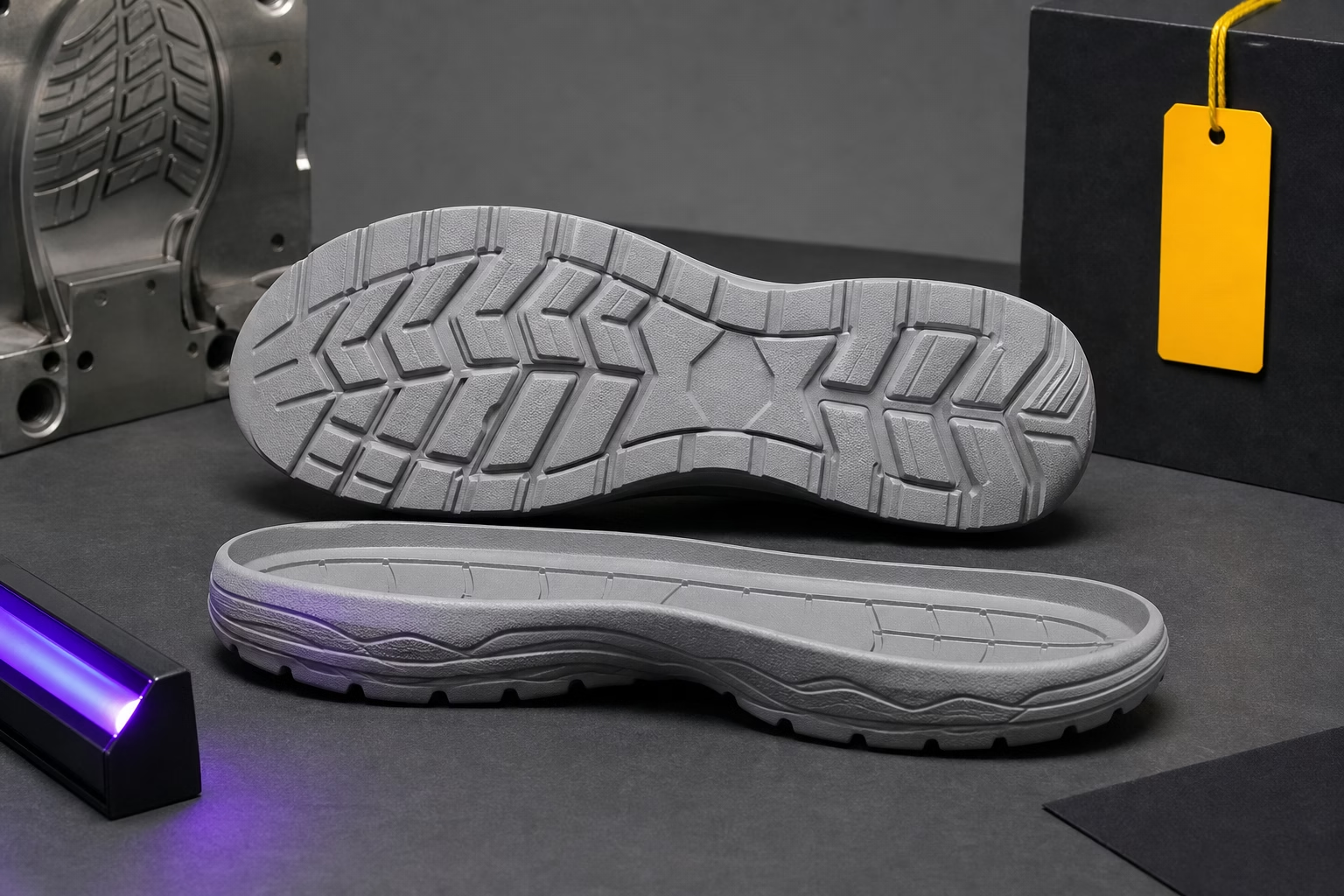
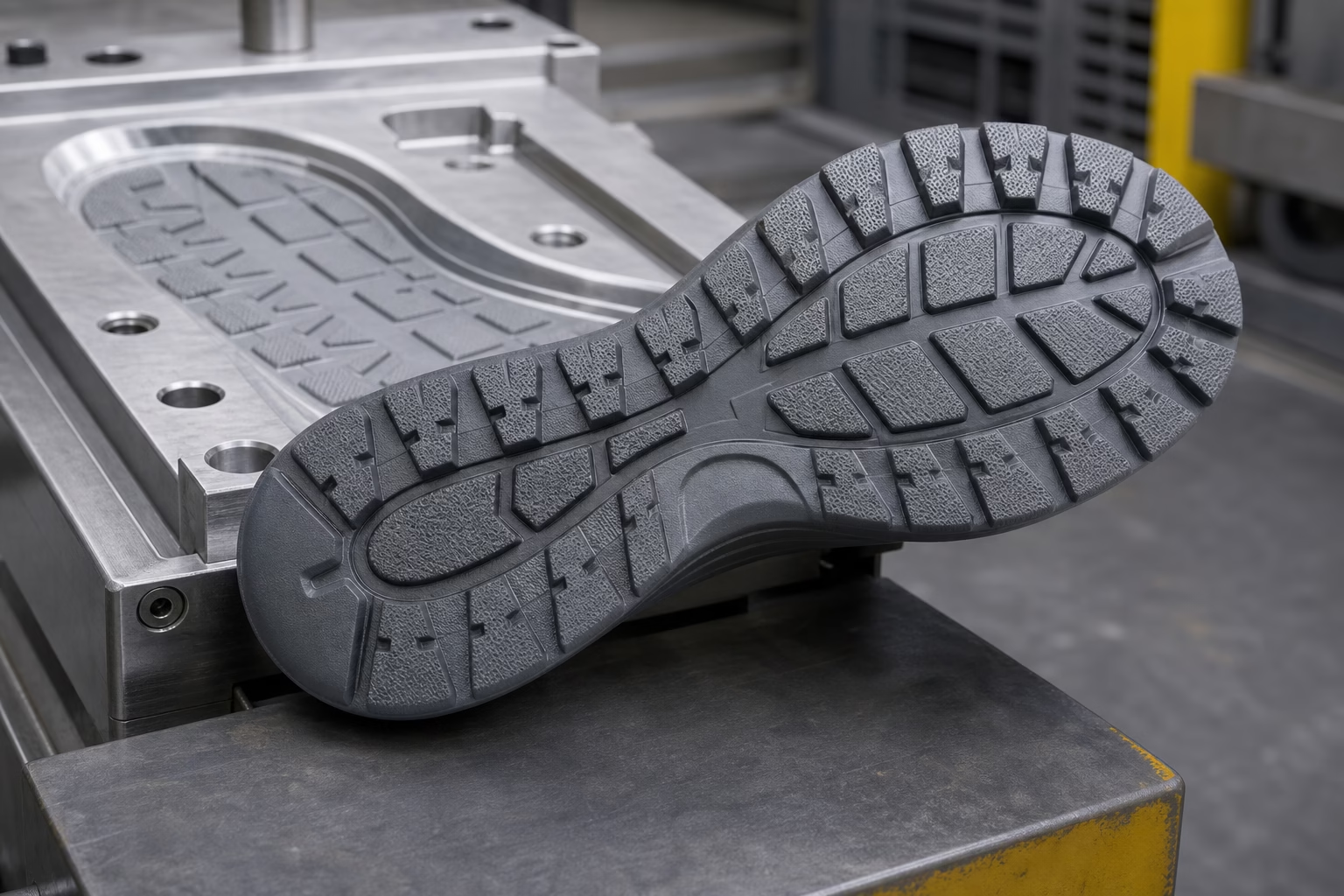
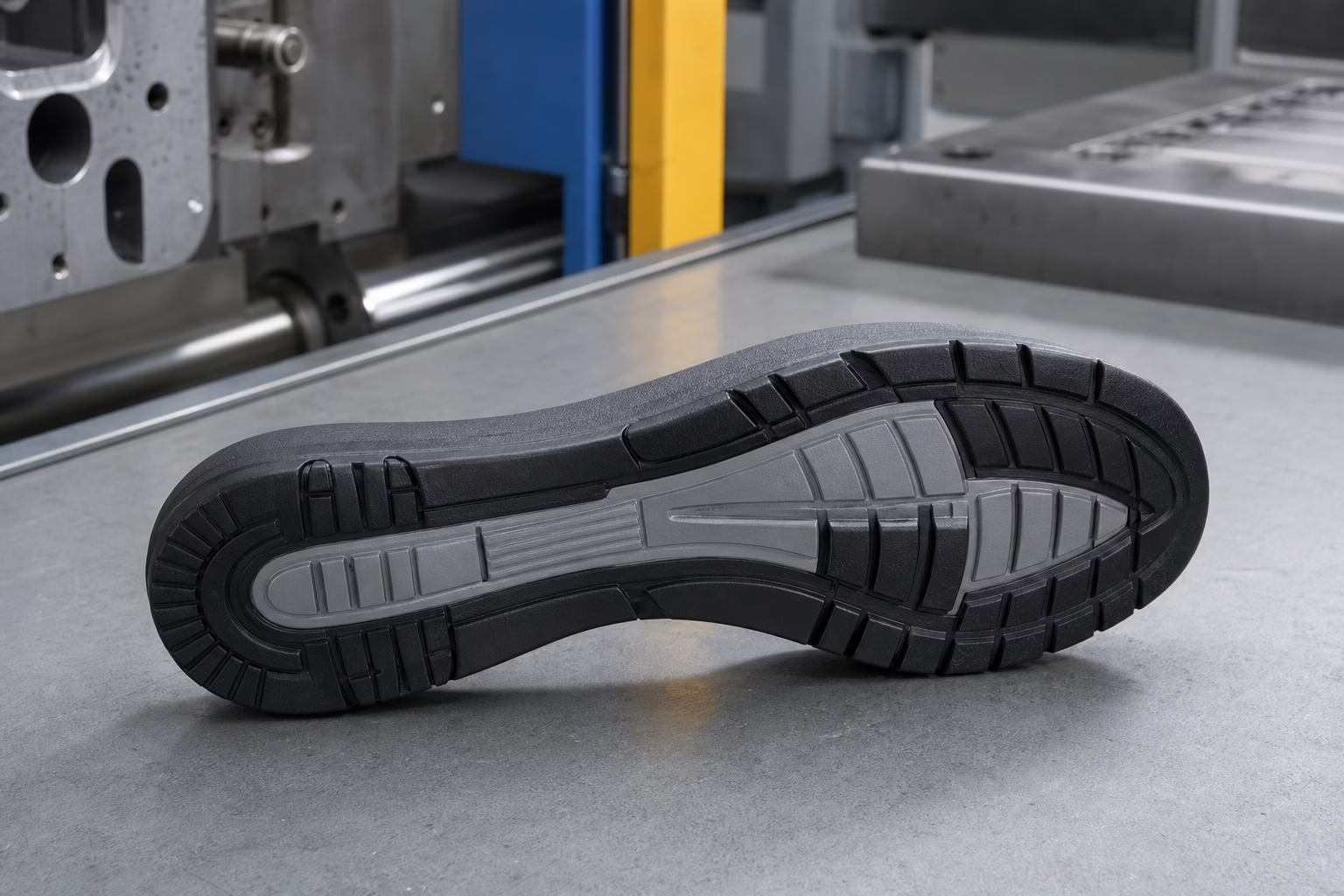
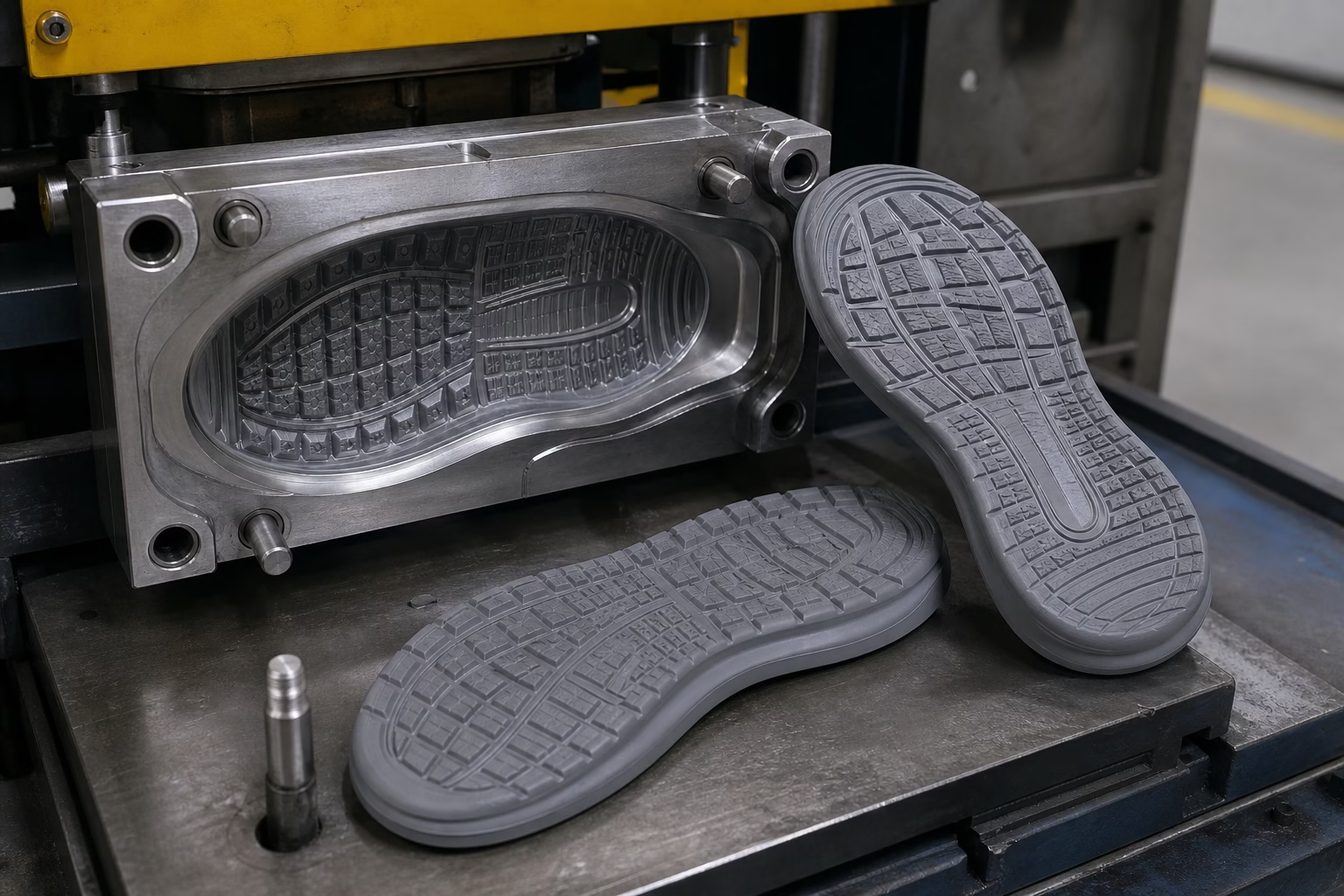
Jinjiang WENCHANG Footwear Materials Co., Ltd. Manufactures injection-moulded TPR outsoles for footwear developers, purchasing teams and shoe factories. Supported by three sets of rotary-disk injection machines, we review specifications and mould requirements before production proceeds through material preparation, injection, cooling, trimming, inspection and packaging.
Project Fit
TPR Outsole Supply for Factory Production
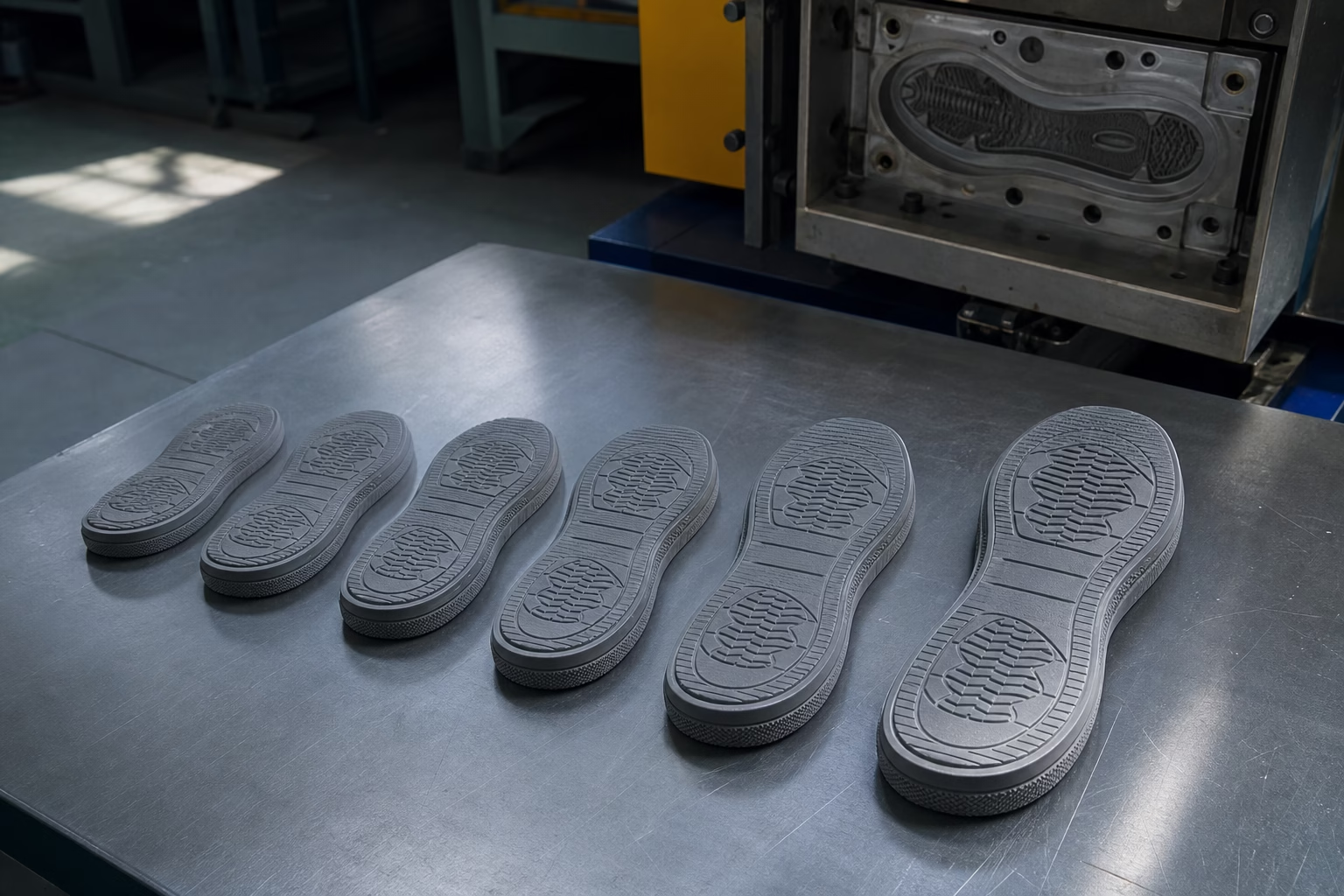
WENCHANG supplies TPR outsoles for defined B2B footwear projects. A project may begin with an outsole drawing, product artwork, physical reference or existing mould. We review these inputs against the footwear type, planned production process and order requirements. The size run, colour, construction details and mould route must be sufficiently clear for sampling and subsequent production. Testing, packaging and schedule requirements may also influence project planning. Buyers still comparing materials can review our wider outsole supply routes, including TPR, RB rubber, MD Phylon, PU and ETPU combined options.
Compare Footwear Outsole Routes
Review the available outsole material and production routes before confirming TPR for the project.
Compare Footwear Outsole Routes
Required Inputs
Prepare a Made-to-Order TPR Sole Brief
A clear project brief allows WENCHANG to check the product scope and identify questions before mould or sample work begins. Send the most complete information available, even when some details still require discussion. Include packaging, destination and testing details whenever they affect the quotation or production plan. Complete information reduces the need to revise the project scope after technical review.
Product Type:
Identify the footwear category and the role of the TPR outsole in the design.
Artwork or Reference:
Provide drawings, artwork, images or a physical reference that shows the intended outsole.
Quantity:
State the required quantity for the style under review.
Size Run:
List all required footwear sizes rather than providing only one sample size.
Material or Process:
Confirm TPR and describe any process requirement already defined for the project.
Colour:
Provide the required colour information and any available visual reference.
Schedule:
State when samples or production goods are required so timing can be reviewed against the actual project.
Tooling Decision
Choose the Correct Mould Route
Mould status affects technical review, sample planning and the route to production. A project may use an available mould, require a new mould or involve customer-owned tooling. Each route must be confirmed before production assumptions are made. An existing mould still requires alignment of the outsole design, sizes, colour and acceptance requirements. Customer-owned tooling also requires a project-specific compatibility assessment rather than an automatic production commitment.
Existing Mould
Provide the style, size run, outsole reference and specification so the mould can be reviewed against the defined requirements.
New Mould
Provide artwork or a reference, dimensions, size range, TPR process and design details for mould development review.
Customer-Owned Mould
Provide mould information, outsole specifications, sizes and production requirements for compatibility assessment.
Production Route
How Injection-Moulded TPR Outsoles Are Produced
WENCHANG follows an ordered TPR production route in which mould and material readiness come before injection. Formed outsoles then proceed through finishing, inspection and packing. Because these stages are connected, changes to an approved specification may affect later production planning. The sequence does not establish universal processing temperatures, cycle times or tolerances. These parameters depend on the actual outsole, mould and confirmed production requirements rather than a general TPR description.
01
The mould route is established from the defined outsole project and size requirements.
02
Material:
TPR material is prepared for the specified production route.
03
Injection:
The TPR material is injected using the applicable mould and production setup.
04
Cooling Forming:
The injected outsole remains in the forming stage as it cools and takes its moulded form.
05
Trimming:
The formed outsole moves to trimming after the injection and cooling stages.
06
Quality Inspection:
The outsole is checked against the confirmed project and inspection requirements.
Equipment Evidence
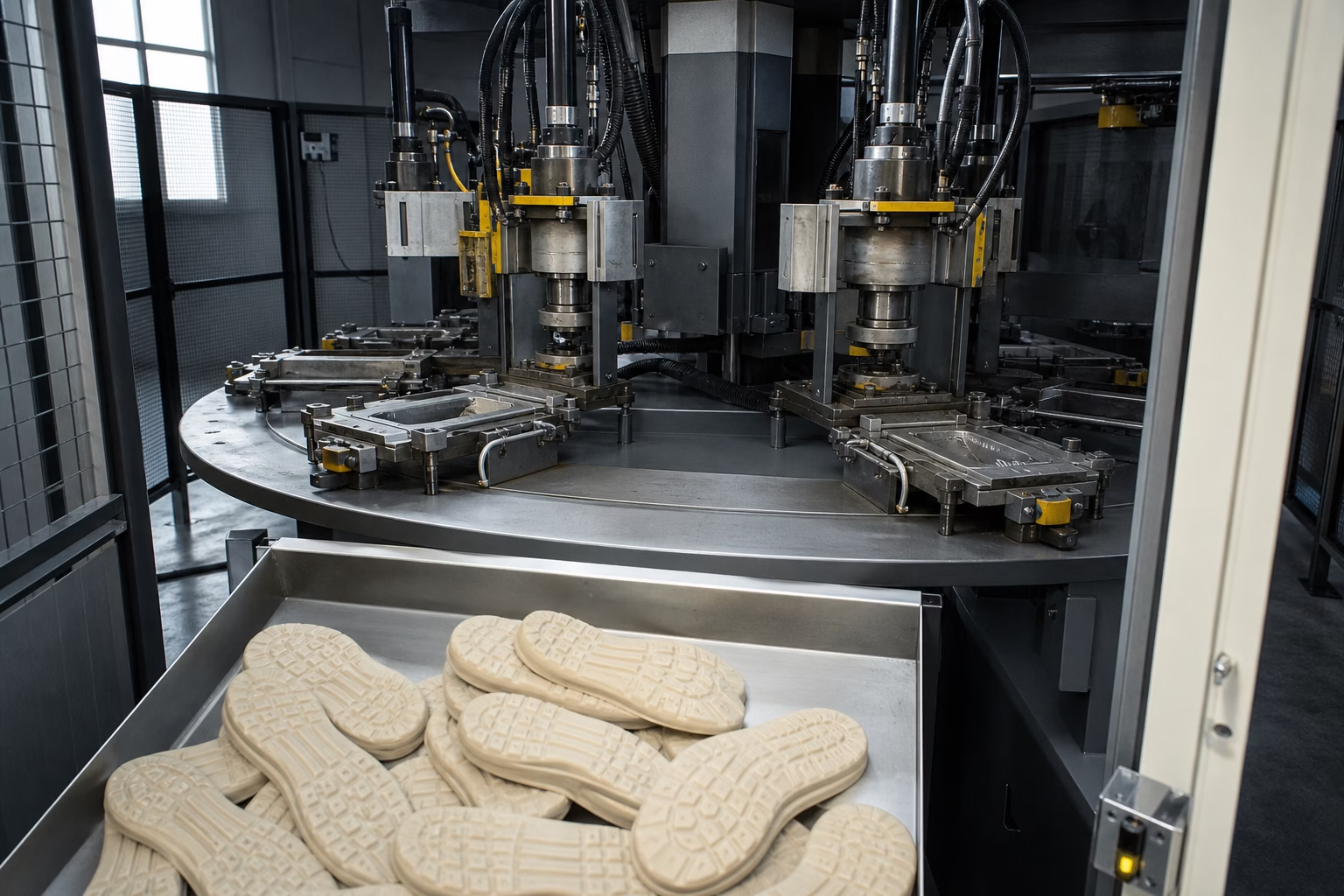
Rotary-Disk Injection Equipment for TPR Production
WENCHANG operates three sets of TPR rotary-disk injection machines supporting the verified injection stage of its TPR outsole production route. This equipment provides a defined manufacturing basis for injection-moulded outsole projects. Machine availability alone does not determine output for a particular style. Mould requirements, size range, order quantity and outsole design must be reviewed together, so equipment fit is assessed for each project rather than expressed as a fixed production rate.
Quality Alignment
Inspection Points and Testing Requirements
Inspection is planned at several points rather than left until goods are packed. WENCHANG uses four verified control stages covering material entry, the first produced item, active production and completed goods. Project testing may include slip resistance, abrasion resistance, colour fastness to yellowing, light fastness or REACH chemical testing. These are not universal certifications or guaranteed results. Buyers must confirm the applicable method, acceptance criteria and required evidence for the actual product and destination.
Incoming Material Inspection
Takes place before the material enters the production route.
First-Article Review
Checks the initial produced item before production continues under the confirmed setup.
In-Process Checks
Provide control points while the order is being produced.
Final Inspection
Applies after production and before the accepted goods move through the final handoff.
Order Coordination
Packaging and One-to-One Order Follow-Up
TPR outsole packaging should match the product, handling needs and buyer instructions. WENCHANG offers anti-scratch packing and custom box options for review. Confirm box specifications, identification details and destination conditions before quotation whenever they affect the order. One-to-one project follow-up covers artwork, samples, production updates, inspection and shipment tracking. Buyers should keep artwork, colour information, size requirements, packaging instructions and test needs current so each update follows the same written project basis.
Anti-Scratch Packing Options
Custom Box Options
Artwork and Sample Follow-Up
Production and Inspection Updates
Shipment Tracking
FAQ
Frequently Asked Questions
Project Review
Start with Your TPR Outsole Specification
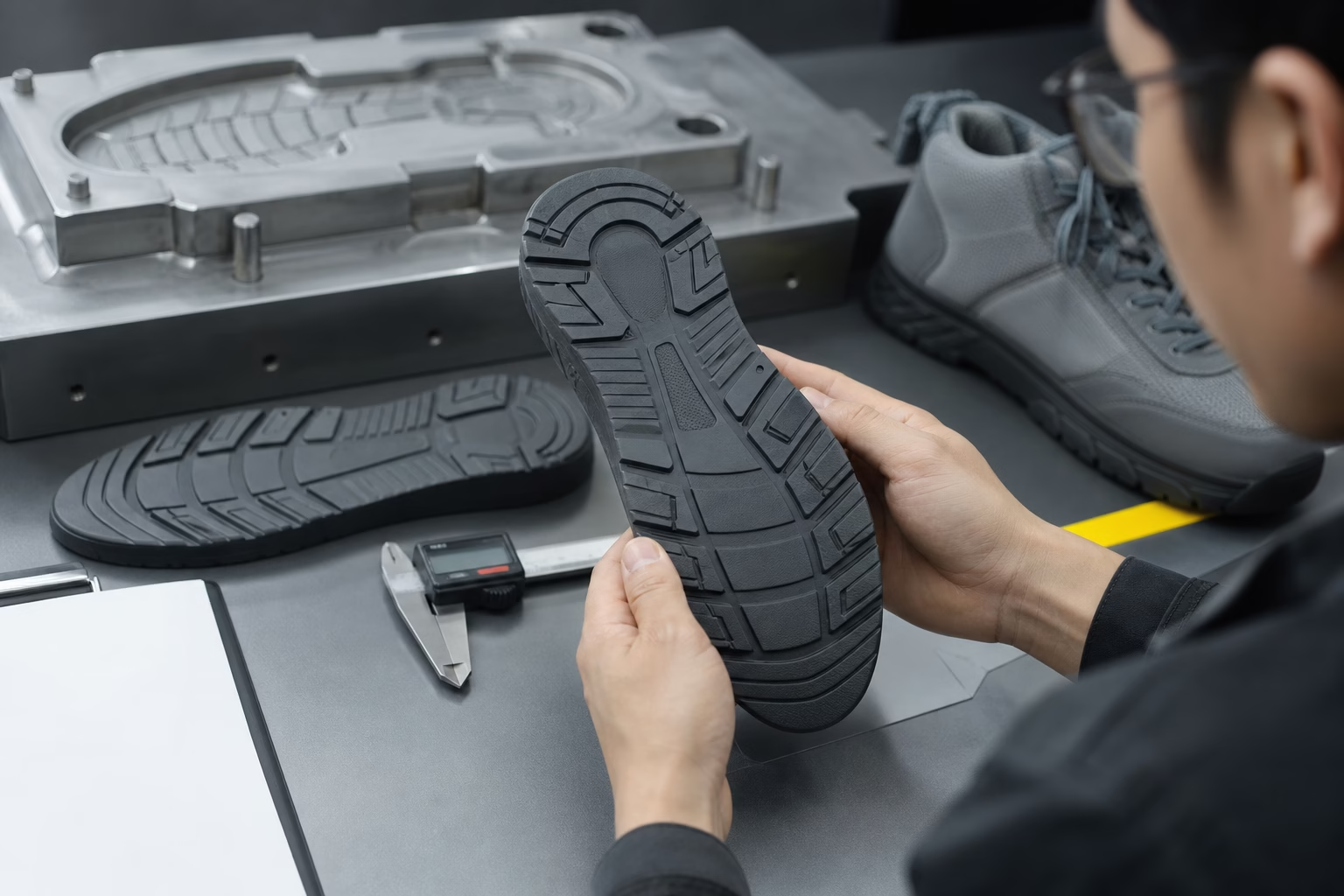
Send WENCHANG your outsole design or reference, full size run, colour, quantity, mould information and testing needs. We will use the submitted details to review the applicable TPR production route, inspection plan and packaging requirements before confirming project-specific price and timing.