TPR Outsole Production Process from Mould to Packing
Jinjiang WENCHANG Footwear Materials Co., Ltd. Produces TPR outsoles through an ordered workflow for footwear factories, brands, importers and procurement teams. The sequence runs from mould development and material confirmation through injection, cooling forming, trimming, quality inspection and packaging, giving project teams a clear basis for reviewing production inputs and stage handoffs.
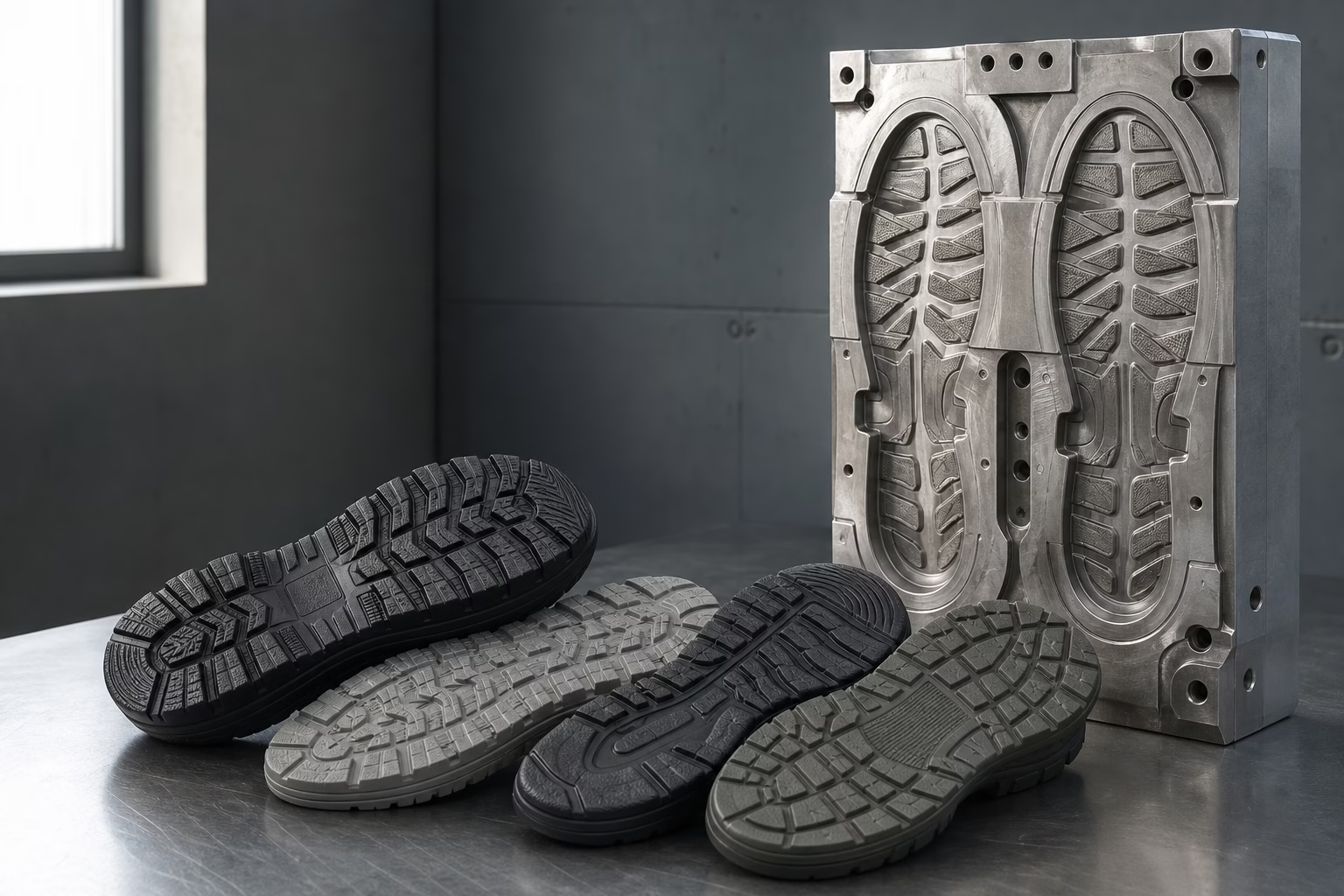
The Complete TPR Shoe Sole Injection Workflow
A TPR outsole does not move directly from a design reference to a finished component. The mould, material and production setup must first correspond to the required outsole. The material is then injected and allowed to cool and form before the part moves to trimming, inspection and packaging. Jinjiang WENCHANG uses the following workflow for TPR outsole production: This sequence describes the movement of the product rather than the detailed settings of the production equipment. Technical teams that need equipment-specific information can review our TPR rotary-disk injection moulding capability .
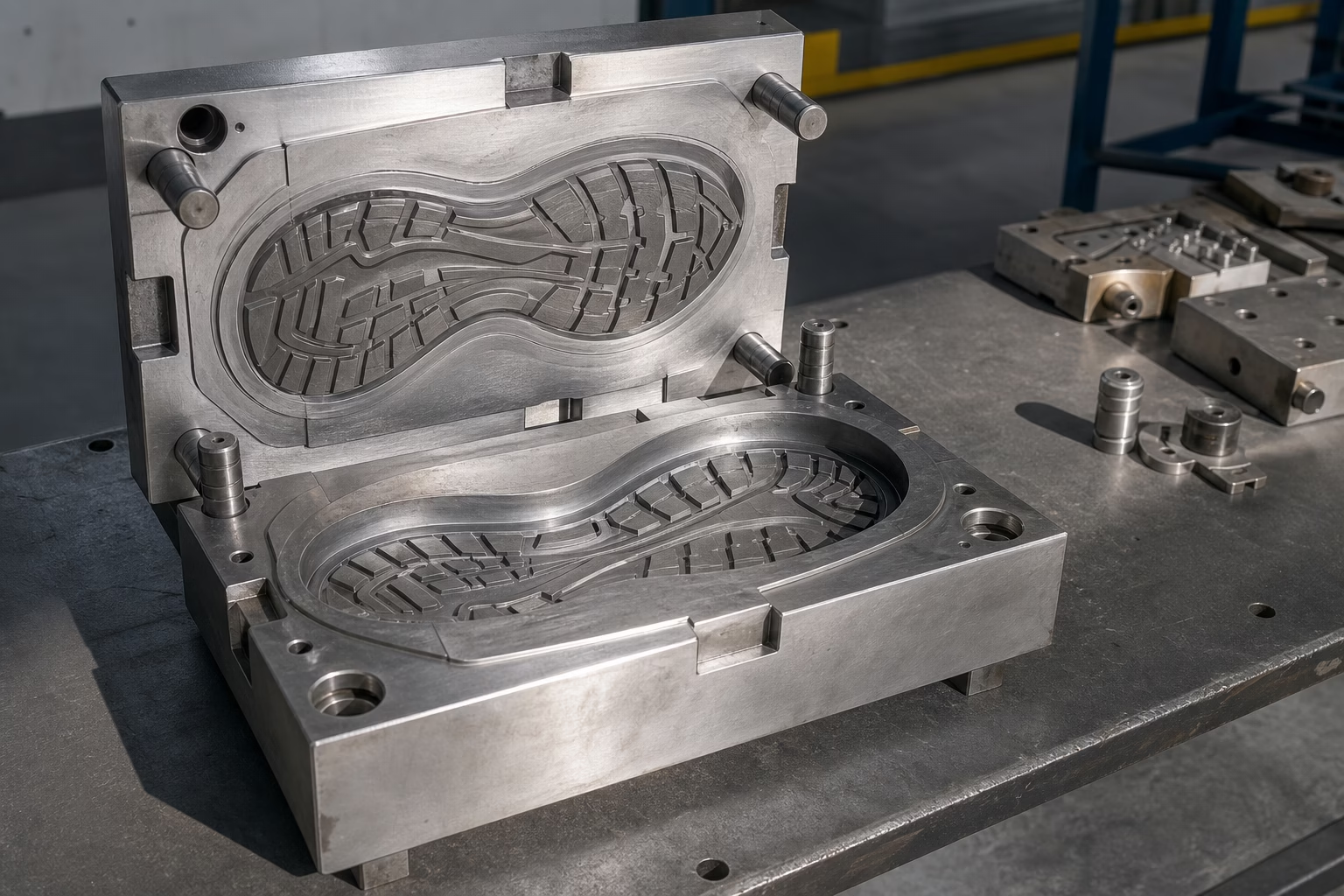
A Production-Ready Mould Comes Before Material and Injection
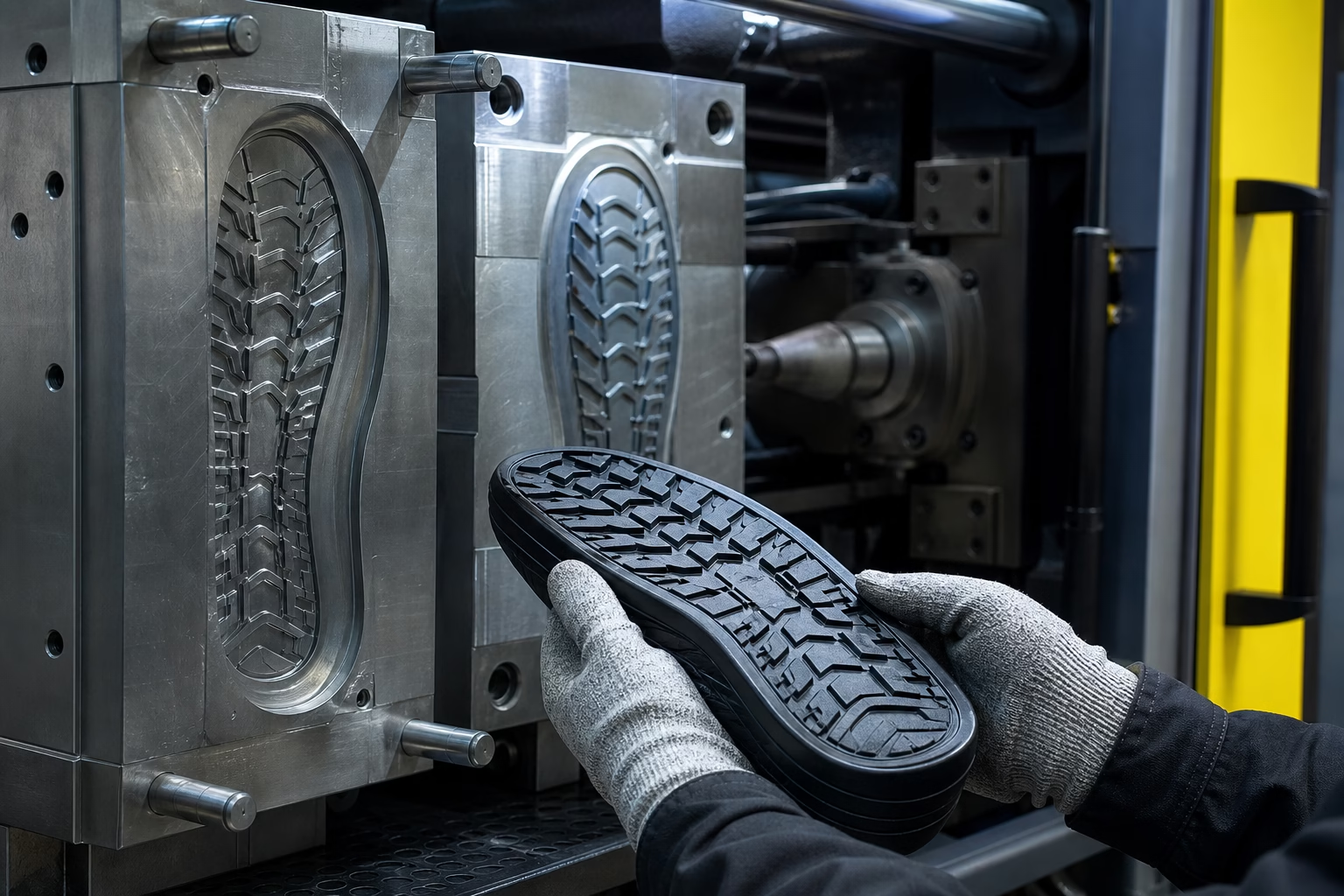
The mould is the starting point because it provides the form used during injection. It must correspond to the defined outsole design and production requirements before TPR material can enter the forming process. If mould readiness is unresolved, the later stages cannot be reviewed as one connected workflow. At this point, the relevant issue is not simply whether a mould exists. The production team needs a clear relationship between the required outsole and the mould intended for that outsole. Design information, the size run and the planned material or process can affect the project review. Mould development is a separate technical subject from the production sequence itself. Buyers assessing tooling readiness, development and the handoff to sampling can read about our outsole mould development capability .
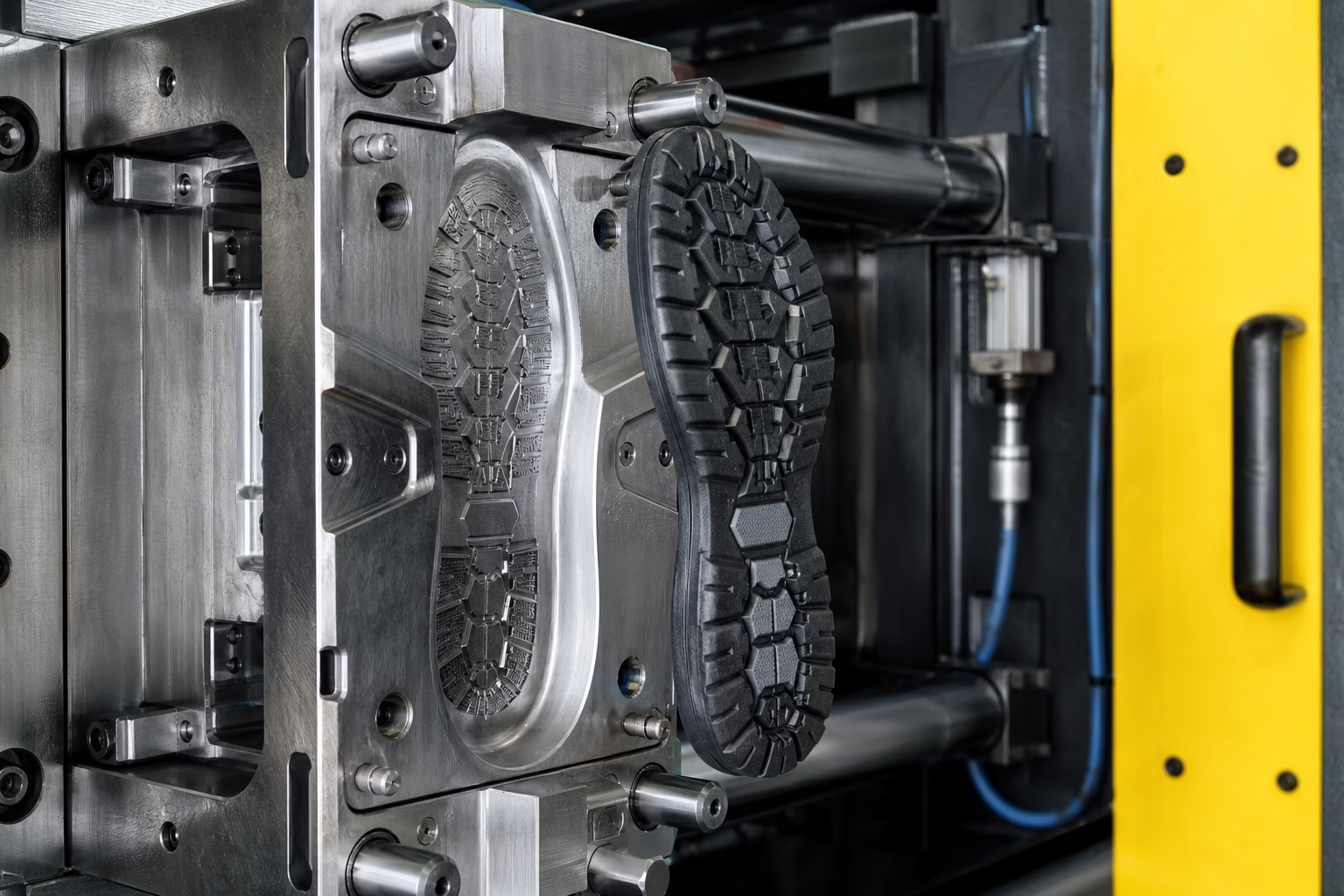
TPR Material Must Match the Defined Production Setup
TPR is one of the verified outsole materials handled by Jinjiang WENCHANG. In this workflow, the material stage connects the ready mould with the injection stage. It confirms which material is entering the process and keeps that material tied to the defined outsole requirement. The production brief should identify TPR as the required material and state any relevant process requirements. Colour, size run, artwork or a product reference also help establish the project context. These details allow the mould and material route to be reviewed together instead of being treated as separate assumptions. Material recipes, mixing ratios, drying methods and operating temperatures depend on technical information that is not presented here. They should not be assumed from a general process description. The purpose of this stage is to establish a clear material-to-mould handoff before injection begins.
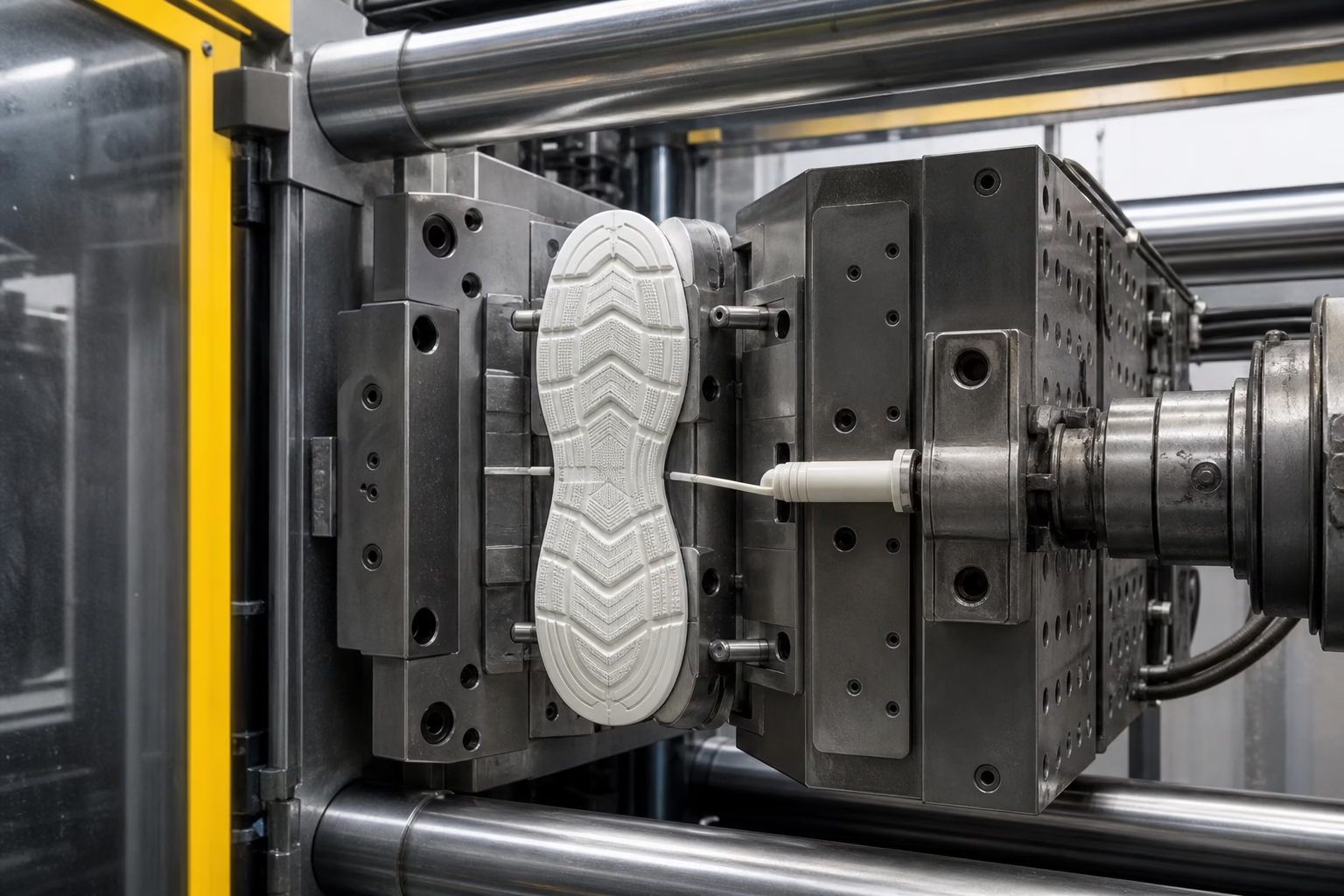
Injection Gives the TPR Outsole Its Moulded Form
During injection, TPR material enters the prepared mould so the outsole can take the form defined by that production setup. Injection is the central forming action in the workflow because it links the confirmed mould and material with the physical outsole. The injection stage should be understood as part of a connected route. It does not produce an inspection-ready outsole on its own. The injected material must pass through cooling forming before trimming can take place. Operating pressure, temperature, cycle time and machine configuration are not universal values and are not stated in this process overview. Buyers who need to assess named equipment separately should use the dedicated TPR injection moulding page rather than treating the general workflow as equipment evidence.
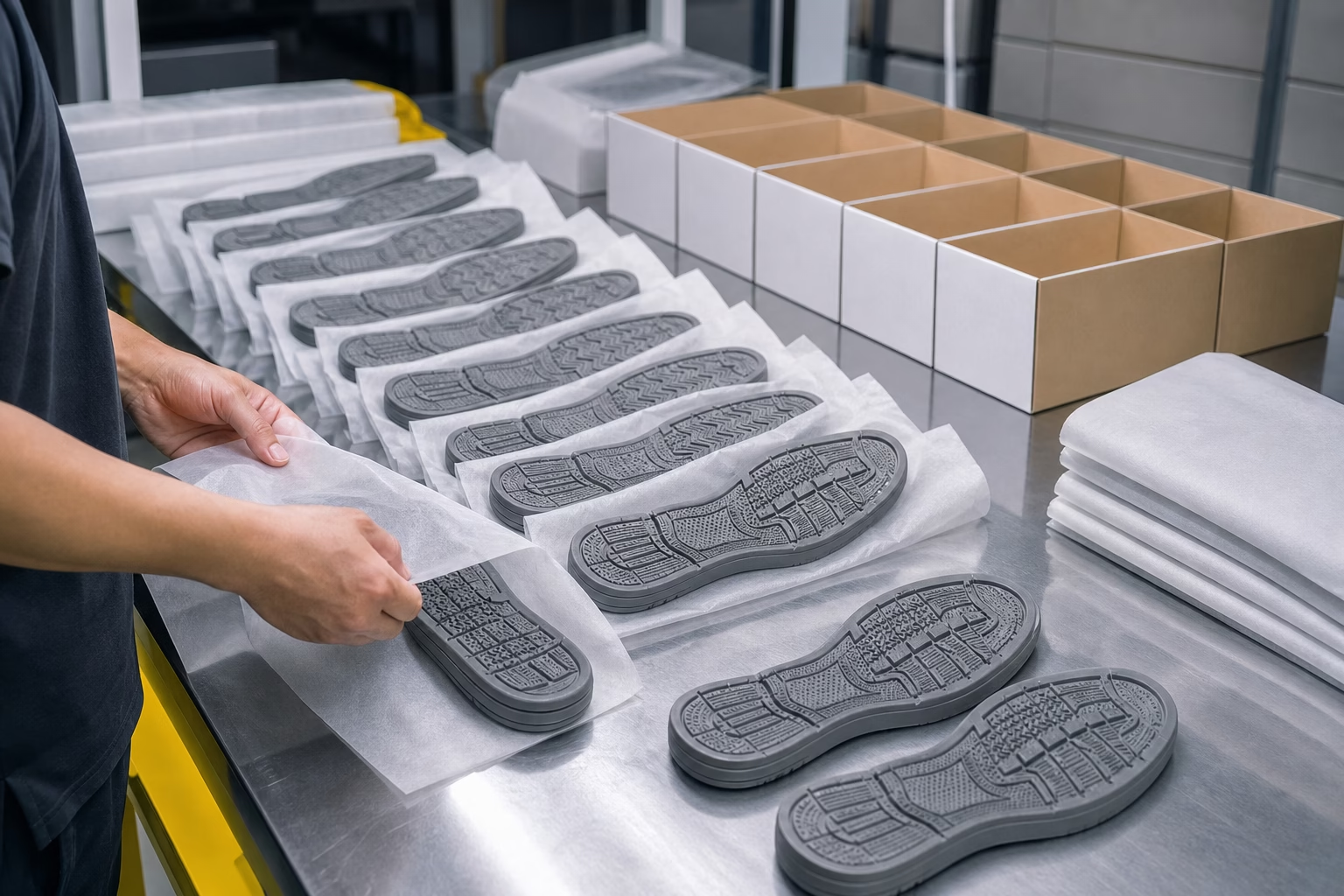
Cooling Forming Stabilizes the Part Before Trimming
Cooling forming follows injection. At this stage, the injected outsole remains in the forming sequence so it can hold its moulded shape before later finishing and inspection work. The relationship between injection and cooling forming is direct: injection places the TPR material into the mould, while cooling forming allows the resulting part to progress as a formed outsole. Trimming starts only after the outsole has reached the next production stage. Cooling time, temperature and dimensional outcomes are project-specific technical matters and should not be inferred from this workflow. For process planning, the key point is the order of operations. Cooling forming must sit between injection and trimming so that the material handoff remains clear.
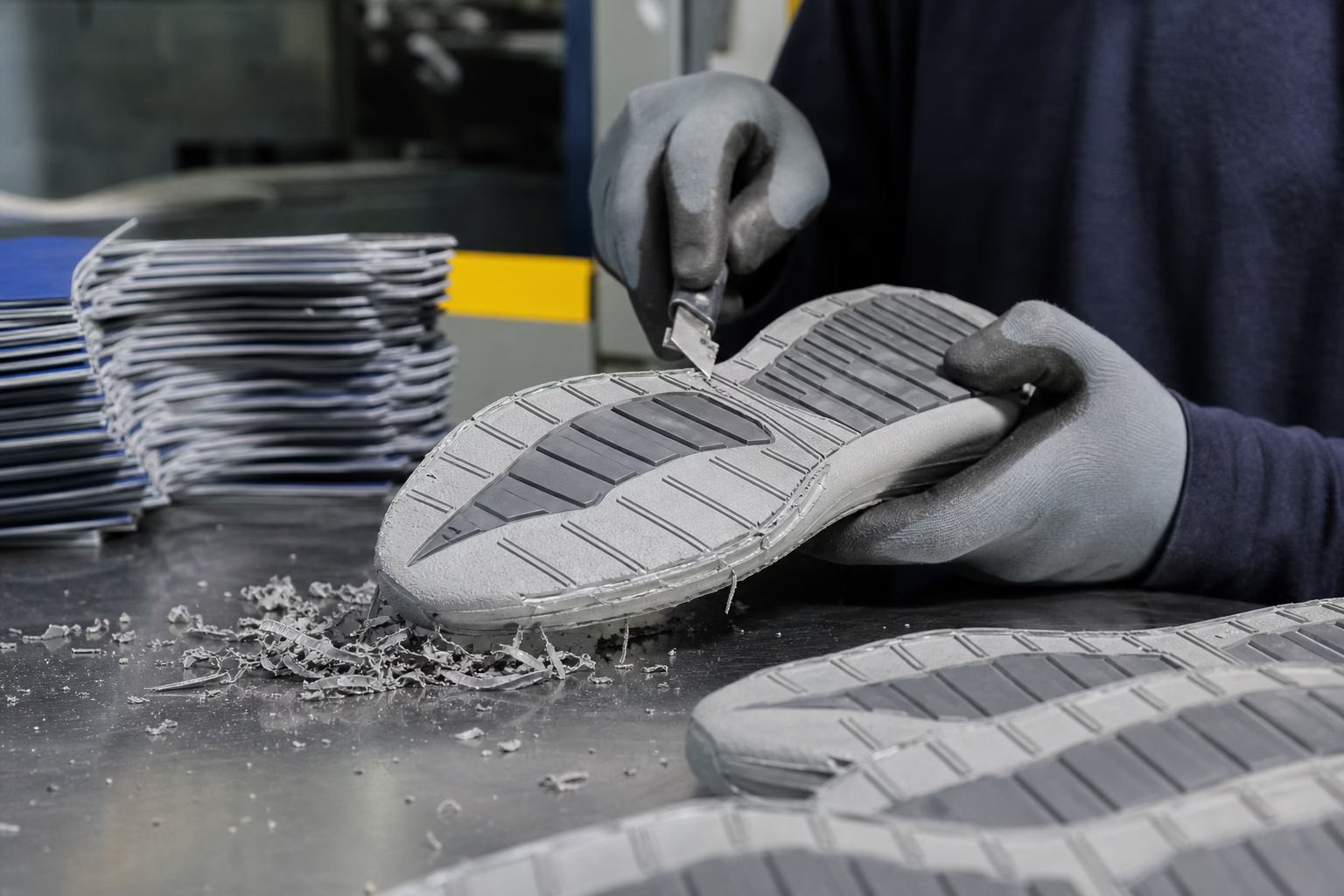
Trimming Prepares the Formed Outsole for Inspection
Trimming is the post-forming stage between cooling and quality inspection. Its role is to prepare the formed TPR outsole for the next production check and for subsequent handling. The input to this stage is a cooled, formed outsole. The output is a trimmed outsole ready to be presented for inspection. This simple input-and-output relationship helps engineering and quality teams identify where forming ends and the inspection handoff begins. Specific trimming tools, finishing methods, dimensional tolerances and acceptance limits depend on the defined project. They are not assumed as part of this general process. Any required acceptance criteria should be stated in the buyer’s specifications or testing brief.
Inspection Connects Production Work with Product Release
Quality inspection takes place after trimming and before packaging in the TPR outsole workflow. This position matters because the outsole has already passed through moulding, cooling and finishing when it reaches the inspection handoff. The production-stage inspection sits within our wider quality controls. Jinjiang WENCHANG uses incoming material inspection, first-article review, in-process checks and final inspection. These controls address different points in production and should not be treated as one interchangeable check. The exact inspection or testing requirement should be defined for the project. No pass rate, threshold or product result can be assumed from the presence of an inspection stage. Buyers who need a fuller explanation can review the footwear quality inspection process .
Incoming Material Inspection
Addresses material before it proceeds through production.
First-Article Review
Provides a review point for the initial production output.
In-Process Checks
Take place while production activities are continuing.
Final Inspection
Provides a completed-product control point.
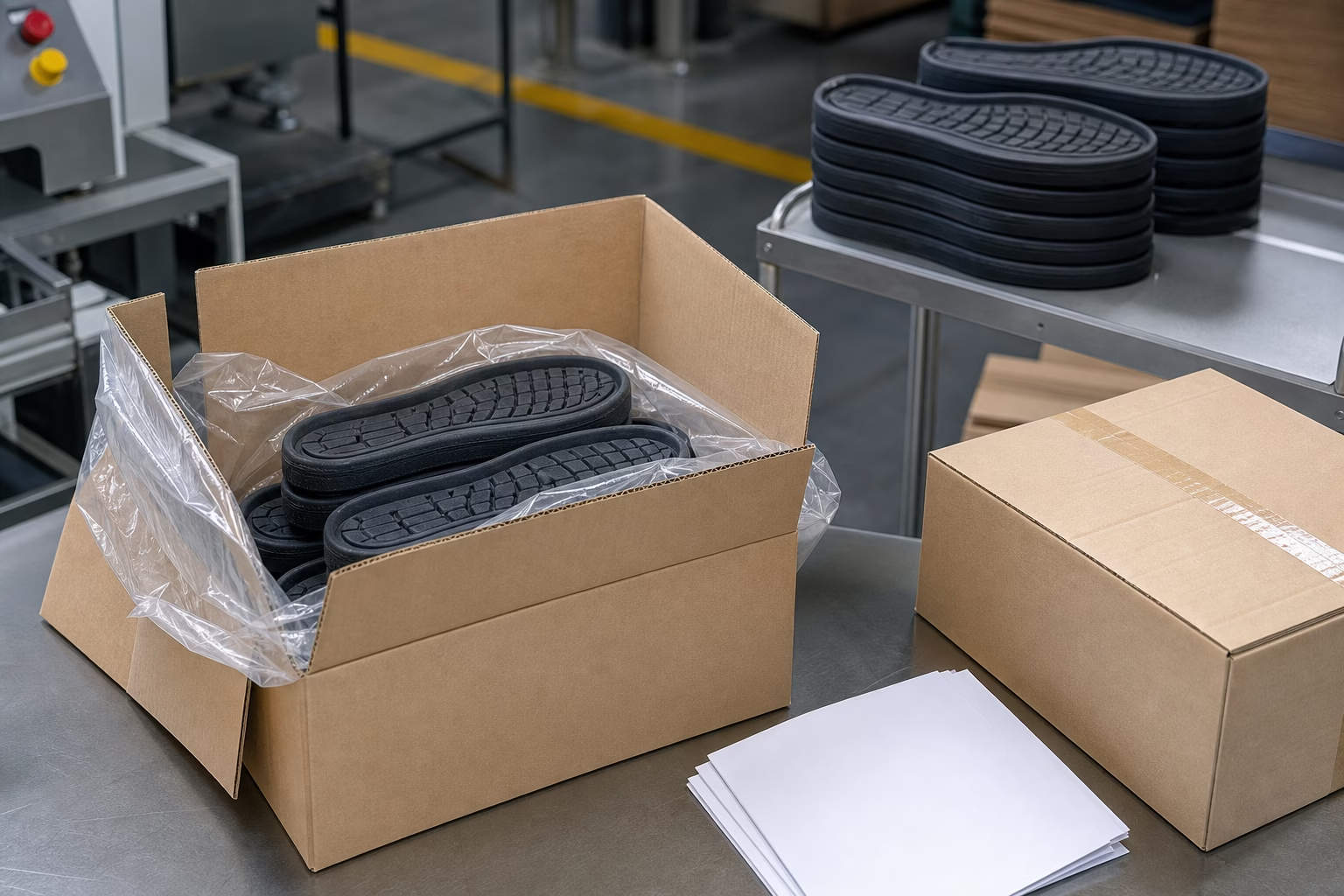
Packaging Marks the End of the Production Sequence
After quality inspection, the TPR outsoles move to packaging. Packaging is the endpoint of the verified production workflow and creates the handoff from completed production to the next agreed order activity. Packaging requirements should still be included in the project brief because they affect how the completed product is prepared. Detailed packing formats, transport methods and trade terms belong to separate logistics planning rather than the outsole forming process. For a useful process review, provide the product type, artwork or reference, quantity, size run, material or process, colour, packaging, destination and required schedule. Include any testing requirements that apply to the project. Together, these inputs allow us to assess the production route without making assumptions about the outsole, acceptance criteria or order handoff.
Questions About TPR Outsole Manufacturing Steps
The verified sequence is mould development, material, injection, cooling forming, trimming, quality inspection and packaging. The order shows how a defined outsole moves from production setup to a packed product. The mould provides the form used during TPR injection. It must correspond to the required outsole design and production setup before the material can move into the injection stage. Cooling forming follows injection. It allows the injected part to hold its moulded shape before the outsole moves to trimming. Trimming then prepares the formed outsole for inspection. In the product workflow, quality inspection takes place after trimming and before packaging. Wider controls may also include incoming material inspection, first-article review, in-process checks and final inspection. No. The workflow shows the ordered production stages but does not state operating settings or machine configurations. Equipment-related evidence is covered on the dedicated TPR injection moulding capability page. Provide the product type, artwork or reference, quantity, size run, material or process, colour, packaging, destination and required schedule. State any testing requirements that need to be considered during project review.
01
What Are the Main Steps in the TPR Outsole Production Process?
The verified sequence is mould development, material, injection, cooling forming, trimming, quality inspection and packaging. The order shows how a defined outsole moves from production setup to a packed product.
02
Why Must the Outsole Mould Be Ready Before Injection Begins?
The mould provides the form used during TPR injection. It must correspond to the required outsole design and production setup before the material can move into the injection stage.
03
What Happens After TPR Material Is Injected?
Cooling forming follows injection. It allows the injected part to hold its moulded shape before the outsole moves to trimming. Trimming then prepares the formed outsole for inspection.
04
When Is a TPR Outsole Inspected?
In the product workflow, quality inspection takes place after trimming and before packaging. Wider controls may also include incoming material inspection, first-article review, in-process checks and final inspection.
05
Does the Process Overview Include Equipment Specifications?
No. The workflow shows the ordered production stages but does not state operating settings or machine configurations. Equipment-related evidence is covered on the dedicated TPR injection moulding capability page.
06
What Should We Provide for a TPR Outsole Process Review?
Provide the product type, artwork or reference, quantity, size run, material or process, colour, packaging, destination and required schedule. State any testing requirements that need to be considered during project review.
FAQ
Frequently Asked Questions
The verified sequence is mould development, material, injection, cooling forming, trimming, quality inspection and packaging. The order shows how a defined outsole moves from production setup to a packed product.
The mould provides the form used during TPR injection. It must correspond to the required outsole design and production setup before the material can move into the injection stage.
Cooling forming follows injection. It allows the injected part to hold its moulded shape before the outsole moves to trimming. Trimming then prepares the formed outsole for inspection.
In the product workflow, quality inspection takes place after trimming and before packaging. Wider controls may also include incoming material inspection, first-article review, in-process checks and final inspection.
No. The workflow shows the ordered production stages but does not state operating settings or machine configurations. Equipment-related evidence is covered on the dedicated TPR injection moulding capability page.
Provide the product type, artwork or reference, quantity, size run, material or process, colour, packaging, destination and required schedule. State any testing requirements that need to be considered during project review.
Discuss the Workflow for Your Defined TPR Outsole
A clear process review begins with a defined product brief. Send the information that identifies the outsole, its mould and material route, the required order scope and any inspection or testing needs. We can then review how your requirements relate to the production sequence and identify points that need further confirmation. Return to our manufacturing capability overview for related production information, or use the quotation route to submit a project for assessment. Review process requirements