Outsole Mould Development Capability for Production-Ready Samples
WENCHANG supports footwear engineers and product developers by connecting an approved outsole brief with mould review, sample preparation and later production planning. The scope includes TPR, RB rubber, MD Phylon, PU and ETPU combined outsoles, with project-specific review of material, size, colour and acceptance requirements.
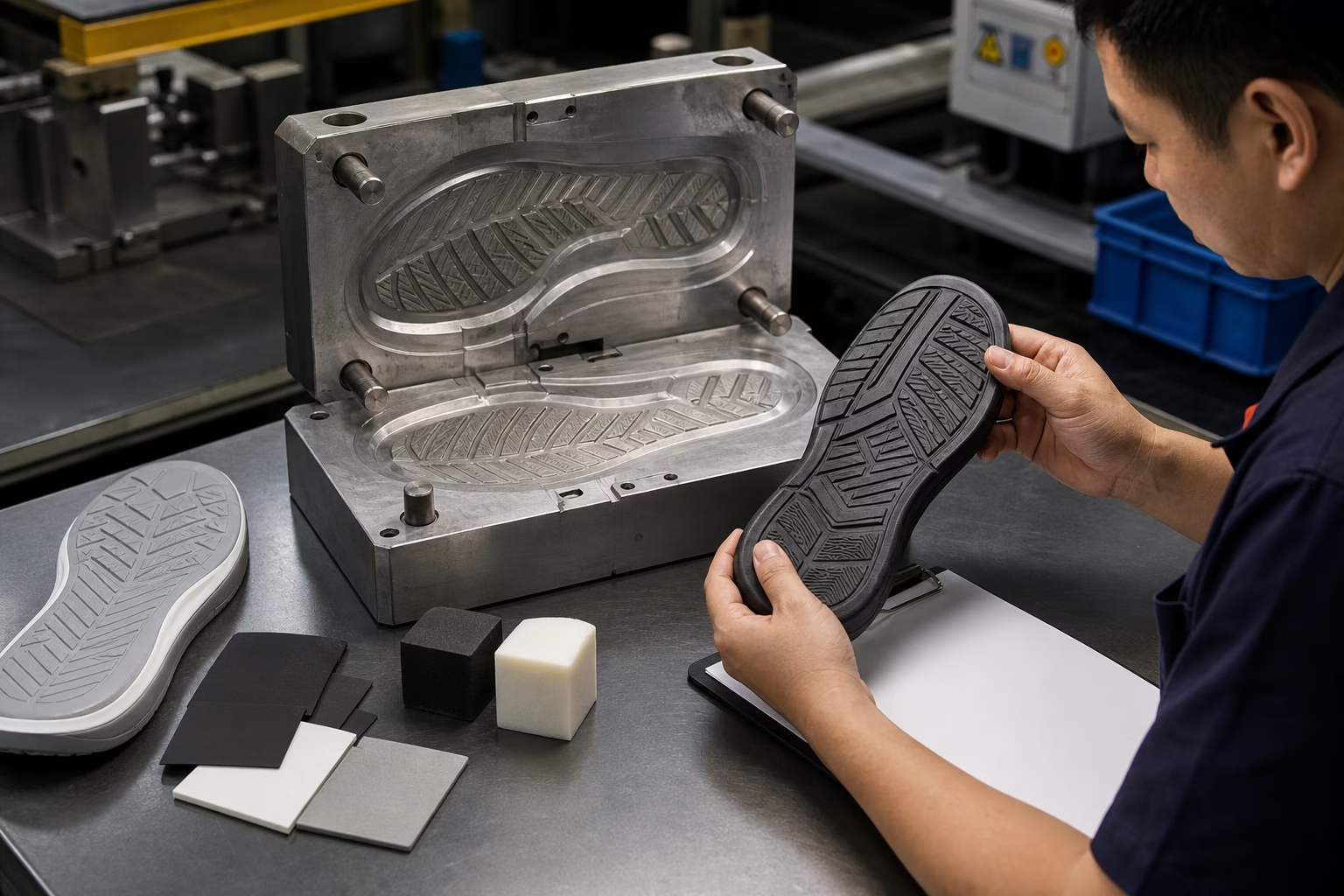
Why Mould Development Comes Before a Representative Outsole Sample
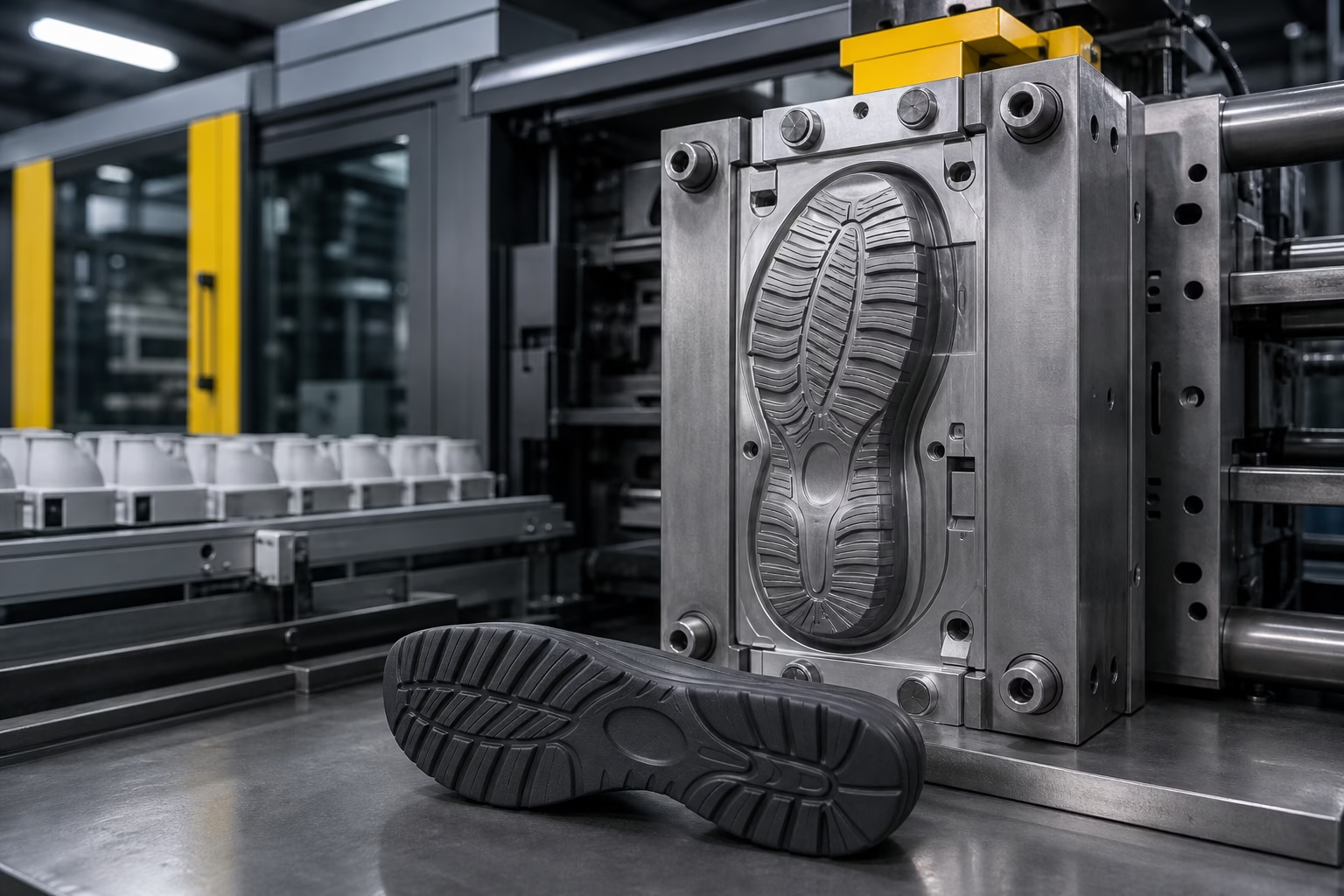
Outsole mould development connects reviewed product information with the physical sample used for buyer evaluation. WENCHANG supports this technical stage so the proposed mould route reflects the intended outsole rather than an incomplete or conflicting brief. For TPR outsoles, mould development is the first named stage in our verified process. It comes before material preparation, injection and the later production stages. Other outsole materials and combined constructions may require different project reviews, so the TPR sequence must not be treated as a universal route for every outsole. The main engineering relationship is straightforward:
The Buyer and WENCHANG Review the Product Information.
The Mould Status and Proposed Development Route Are Assessed.
The Established Route Supports Sample Preparation.
The Buyer Evaluates the Sample Against Agreed Requirements.
Bulk Production Planning Follows Sample Approval, Not Mould Completion Alone.
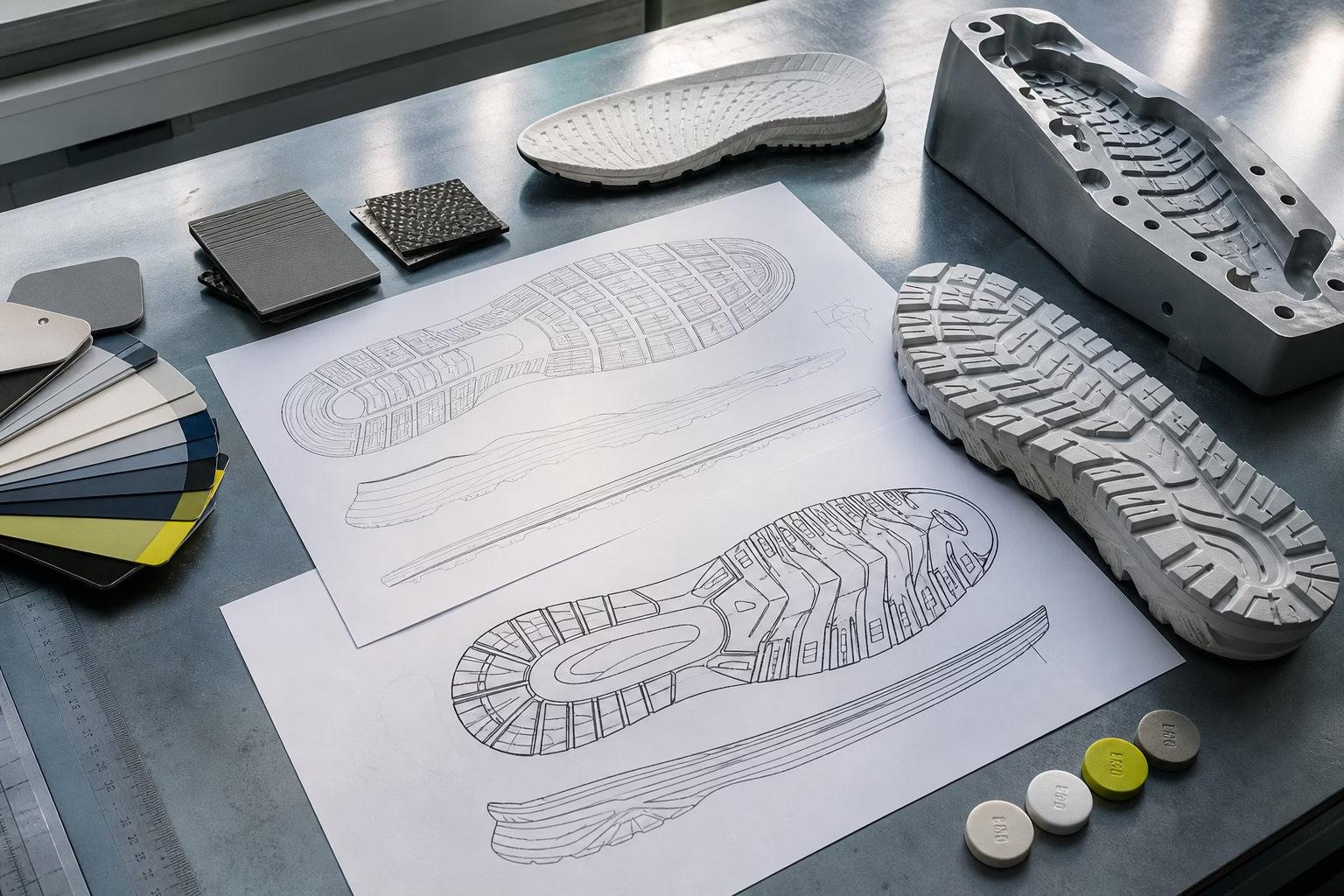
Define the Outsole Brief Before Choosing a Mould Route
Mould work should begin from information that is clear enough to guide technical review. The starting package may include an outsole drawing, artwork, a physical reference or another product reference that identifies the intended form and visual direction. Key technical details include the product type, material or process, colour and size run. Any required testing should also be stated early. If drawings, references and written specifications do not agree, the differences need to be resolved before the sample becomes the basis for a decision. Quantity, packaging, destination and required schedule are also needed when WENCHANG prepares a complete project-specific quotation. They provide commercial and planning context, but they do not replace the technical information needed to assess mould readiness. Buyers who need to organize drawings, visual references and specification details can use our footwear artwork and reference review route before requesting mould or sample work.
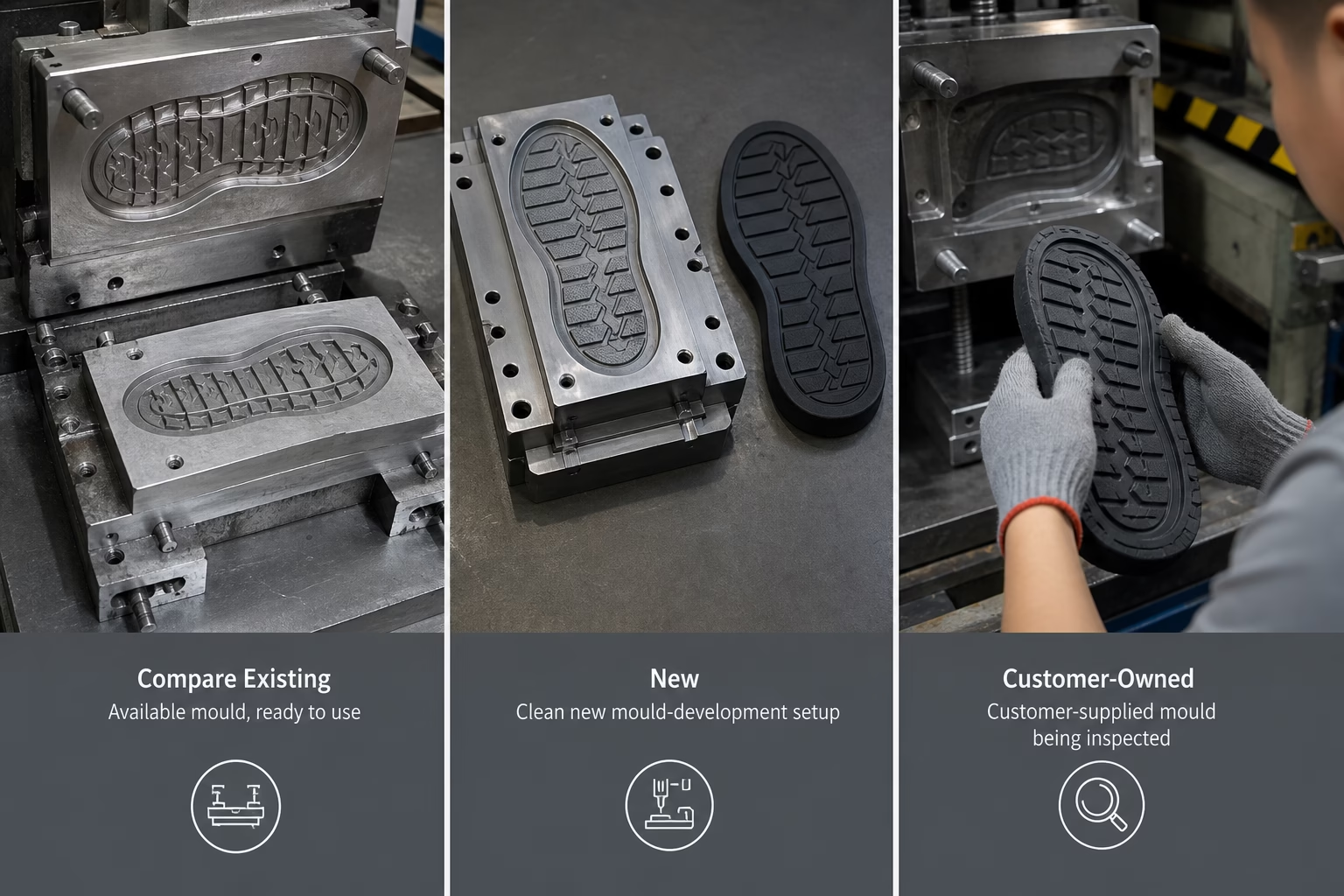
Compare Existing, New and Customer-Owned Mould Routes
An existing mould, a newly developed mould and a customer-owned mould represent different starting conditions. None of these routes confirms automatic compatibility or production acceptance. Each must be checked against the outsole project. If new tooling is required, the commercial stages belong to our outsole mould opening service . Projects based on buyer tooling follow a separate customer-owned outsole mould review .
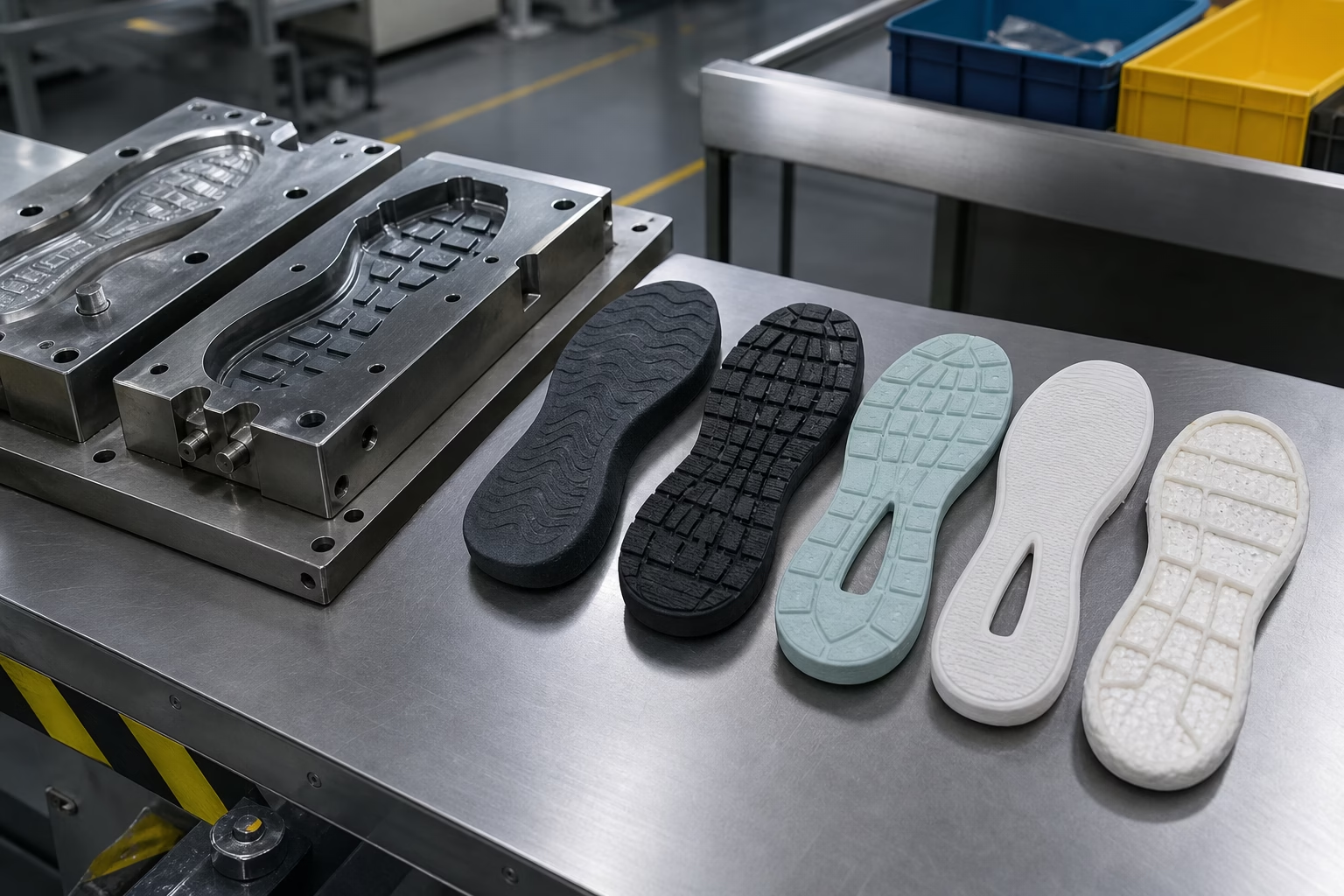
Match the Mould Review to the Outsole Material and Construction
The selected outsole material or construction is part of the technical brief. WENCHANG's verified scope covers TPR, RB rubber, MD Phylon, PU and ETPU combined outsoles. These names identify different project categories; they do not mean that one mould development route applies equally to all of them. The review should connect the material or construction with the product reference, size run, colour and intended process. For a combined outsole, the brief should also identify the proposed construction clearly enough for project-specific assessment. Feasibility must be reviewed rather than assumed from the material name alone. WENCHANG does not use a general material label as a substitute for the buyer's actual design information. A defined material route makes it easier to decide which mould questions must be resolved before sampling.
Move from Mould Readiness to a Controlled Sample Review
Once the product information and mould route are established, the project can move toward sample preparation. The sample is the physical handoff between development work and the buyer's approval decision. It should represent the reviewed project information closely enough to support a clear evaluation. Sample acceptance criteria are best recorded before evaluation begins. Depending on the project, the review basis may cover: If a sample reveals a difference from the brief, the affected information should be reviewed before approval. Detailed sample preparation, timing and approval decisions are handled through our footwear sample development service .
Visual Agreement with the Artwork or Reference;
The Stated Outsole Size and Size-Run Requirements;
The Selected Material or Combined Construction;
The Specified Colour Direction;
Any Inspection Points Agreed for the Sample; And
Any Physical or Chemical Testing Requirements Stated by the Buyer.
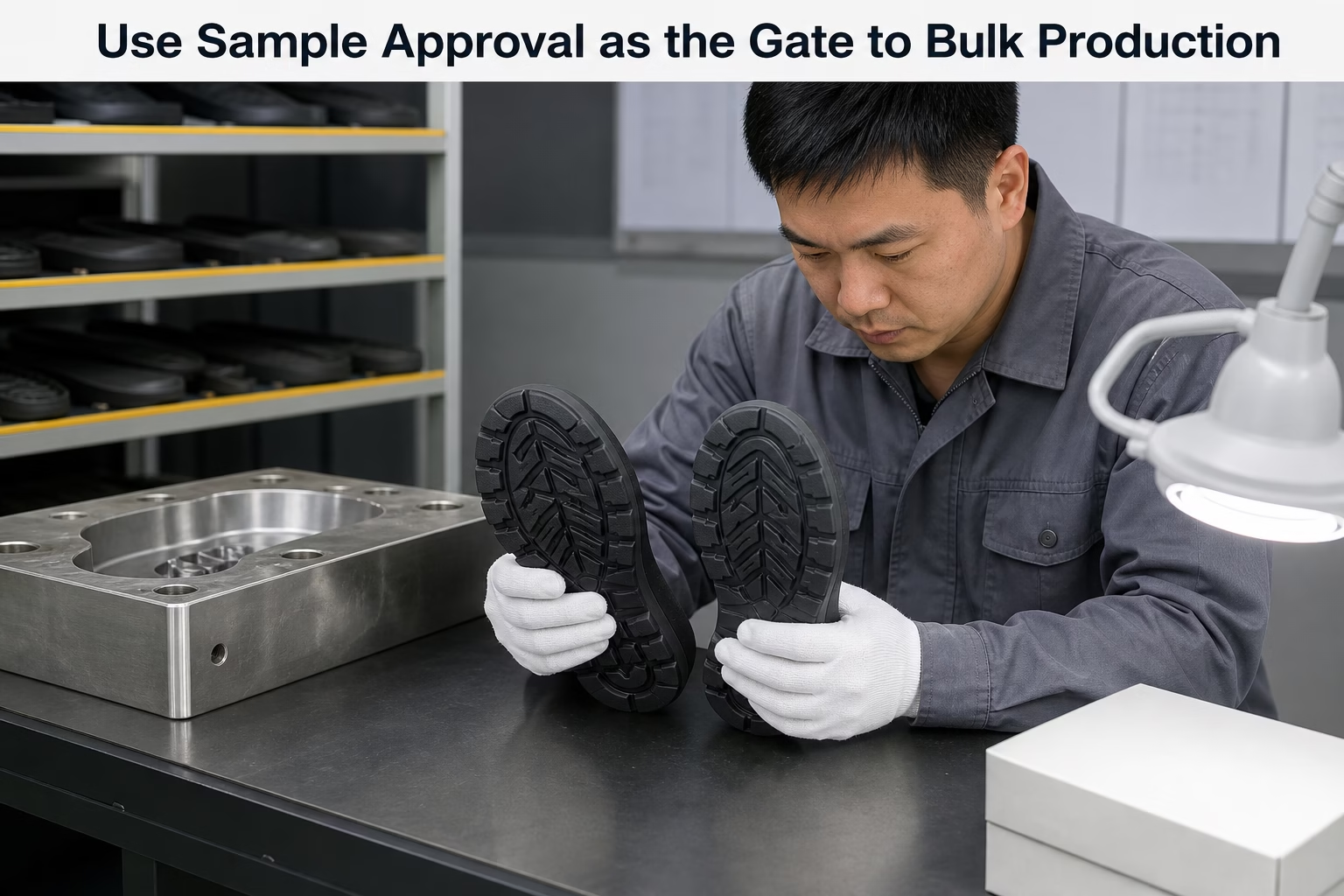
Use Sample Approval as the Gate to Bulk Production
Mould completion is not the same as production approval. A completed or available mould only establishes part of the production route. The resulting sample still needs to be checked against the confirmed project information and the buyer's acceptance criteria. After approval, the accepted sample and confirmed specifications form the reference for bulk production planning. If the design, material, colour, size requirements or testing plan changes after approval, the change requires review before production release. This prevents an earlier sample from being used as the reference for a revised product. Our one-to-one project follow-up can maintain continuity across artwork, samples, production updates, inspection and shipment tracking. At the mould development stage, this continuity helps keep decisions and revisions connected as the project moves toward production.
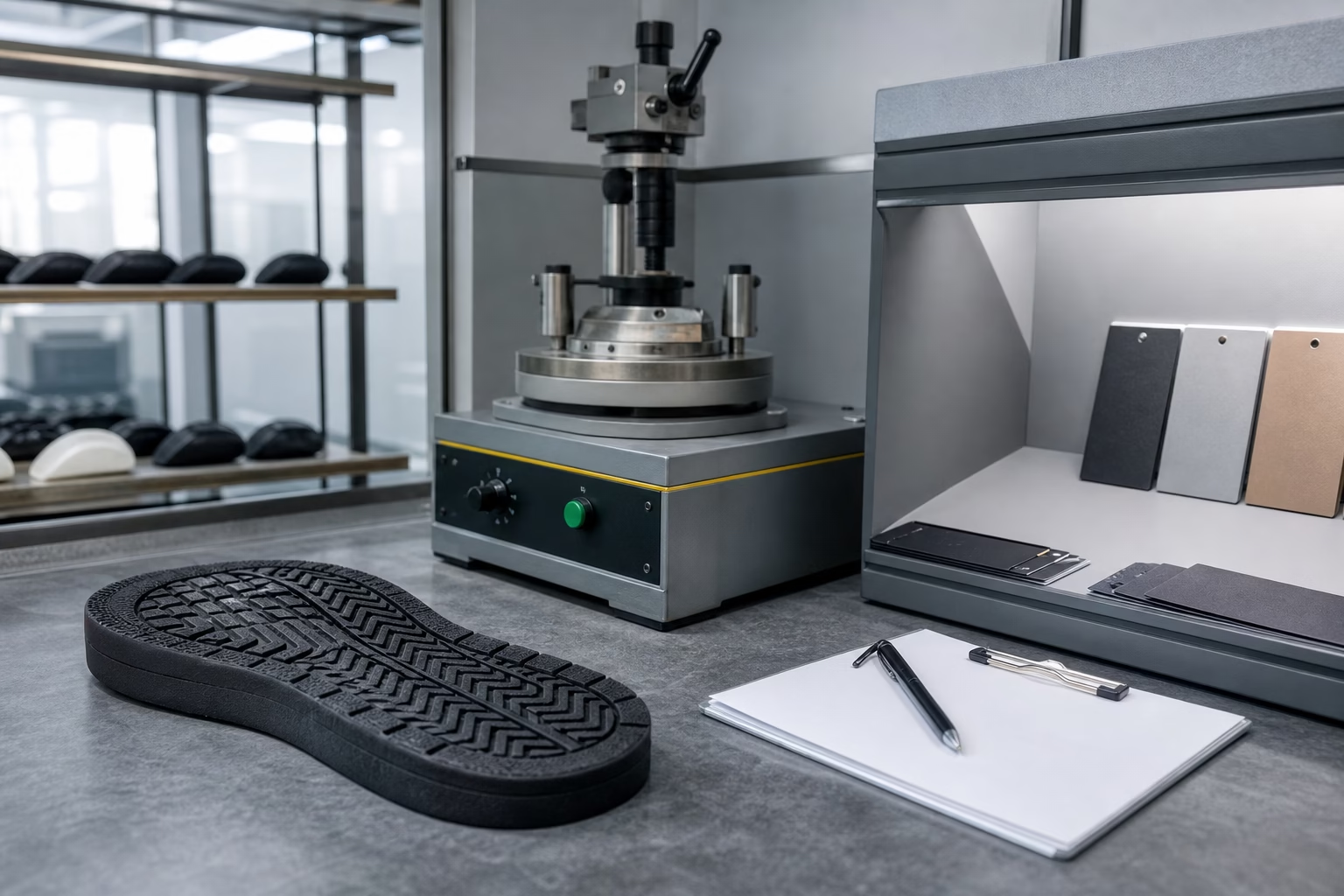
Set Inspection and Testing Requirements Before Sampling
Testing requirements can affect how a buyer judges the sample, so they should be stated early. WENCHANG can support outsole physical test items including slip resistance, abrasion resistance, colour fastness to yellowing and light fastness. We can also support products intended to comply with REACH chemical test requirements. Test support does not create a universal result or acceptance threshold. The required test item, method, criteria and evidence need to be confirmed for the individual project. Buyers should not assume that a requirement for one outsole automatically applies to another material, construction or market. Our verified quality framework includes incoming material inspection, first-article review, in-process checks and final inspection. These stages support production control, while product testing addresses stated physical or chemical requirements. The two functions are related but are not interchangeable. For a more detailed quality discussion, review our outsole testing requirements planning guide .
Prepare an Outsole Mould Development Review Brief
A focused brief allows WENCHANG to assess the relationship between your design, mould status and proposed sampling route. Include the following information where available: Packaging and destination details should also be included when requesting a complete quotation. WENCHANG will review the submitted information before confirming the suitable project route. Submission does not by itself confirm mould compatibility, feasibility, price or timing. Submit your outsole project for quotation review .
Outsole or Footwear Product Type;
Artwork, Drawing or Physical Reference;
TPR, RB Rubber, MD Phylon, PU, ETPU Combined or Another Clearly Stated Process Requirement Within Our Verified Scope;
Required Colour and Size Run;
Existing, New or Customer-Owned Mould Status;
Planned Order Quantity;
Inspection and Testing Requirements; And
The Required Project Schedule.
Outsole Mould Development Questions
The starting information should identify the product, artwork or reference, intended material or process, colour and size run. Testing requirements should also be stated when they apply. Conflicts between a drawing, physical reference and written specification need to be resolved before the sample route is established. Mould development provides the tooling route needed to prepare a sample from a defined outsole brief. The sample then gives the buyer a physical basis for reviewing appearance, size, material, colour and stated testing requirements. Mould completion alone does not replace sample evaluation. An existing mould is already available but must be checked against the project. A new mould is developed when the intended outsole cannot follow an available route. A customer-owned mould is supplied or controlled by the buyer and requires review with the matching product information before sampling or production planning. Not automatically. The outsole material or construction forms part of the technical assessment. TPR, RB rubber, MD Phylon, PU and ETPU combined outsole projects may present different requirements, so WENCHANG reviews the proposed route against the specific project information. The sample becomes the production reference after the buyer approves it and the related project information is confirmed. If a specification changes after approval, the effect of that change must be reviewed before bulk production is released. Yes. Early definition allows the sample review basis to reflect the required physical or chemical test items. The project should state the relevant method, acceptance criteria and evidence requirements instead of relying on a general request for testing. Explore the mould development route
What Information Should Be Agreed Before Outsole Mould Development Begins?
The starting information should identify the product, artwork or reference, intended material or process, colour and size run. Testing requirements should also be stated when they apply. Conflicts between a drawing, physical reference and written specification need to be resolved before the sample route is established.
How Does Mould Development Affect the Outsole Sample Route?
Mould development provides the tooling route needed to prepare a sample from a defined outsole brief. The sample then gives the buyer a physical basis for reviewing appearance, size, material, colour and stated testing requirements. Mould completion alone does not replace sample evaluation.
What Is the Difference Between an Existing Mould, a New Mould and a Customer-Owned Mould?
An existing mould is already available but must be checked against the project. A new mould is developed when the intended outsole cannot follow an available route. A customer-owned mould is supplied or controlled by the buyer and requires review with the matching product information before sampling or production planning.
Can the Same Mould Route Be Used for TPR, Rubber, MD Phylon, PU and ETPU Combined Outsoles?
Not automatically. The outsole material or construction forms part of the technical assessment. TPR, RB rubber, MD Phylon, PU and ETPU combined outsole projects may present different requirements, so WENCHANG reviews the proposed route against the specific project information.
When Does an Outsole Sample Become the Production Reference?
The sample becomes the production reference after the buyer approves it and the related project information is confirmed. If a specification changes after approval, the effect of that change must be reviewed before bulk production is released.
Should Testing Requirements Be Defined Before Mould Development and Sampling?
Yes. Early definition allows the sample review basis to reflect the required physical or chemical test items. The project should state the relevant method, acceptance criteria and evidence requirements instead of relying on a general request for testing.
FAQ
Frequently Asked Questions
Identify the product, artwork or reference, intended material or process, colour and size run. State applicable testing requirements, and resolve conflicts between drawings, physical references and written specifications before establishing the sample route.
Mould development provides the tooling route for preparing a sample from a defined outsole brief. The buyer then evaluates appearance, size, material, colour and stated testing requirements. Mould completion alone does not replace sample evaluation.
An existing mould is available but must be checked against the project. A new mould is developed when the intended outsole cannot follow an available route. A customer-owned mould requires review with matching product information before sampling or production planning.
Not automatically. Material or construction forms part of the technical assessment, so WENCHANG reviews each proposed route against the specific project information.
After buyer approval and confirmation of the related project information. Any specification change after approval must be reviewed before bulk production is released.
Yes. Define the relevant physical or chemical test items, method, acceptance criteria and evidence requirements early so the sample review basis matches the project.
Start Your Project
Discuss Your Footwear or Outsole Project
Share the product type, artwork or reference, material or process, mould status, size run, quantity, colour, packaging, destination and testing requirements. The WENCHANG team will review the appropriate sourcing and development route.