Custom Footwear Sample Development Before Production
Jinjiang WENCHANG Footwear Materials Co., Ltd. Supports footwear sample development for product teams that need to review an outsole, shoemaking accessory or finished footwear sample before making a production decision. WENCHANG produces footwear outsoles and supplies shoemaking accessories and finished footwear to B2B buyers serving global markets. The applicable route depends on mould readiness. Samples using an existing mould can be available in 5 days, while samples requiring a new mould can be available within 1 month. These periods apply only to the relevant mould-based route and are not automatic timing promises for every product or project.
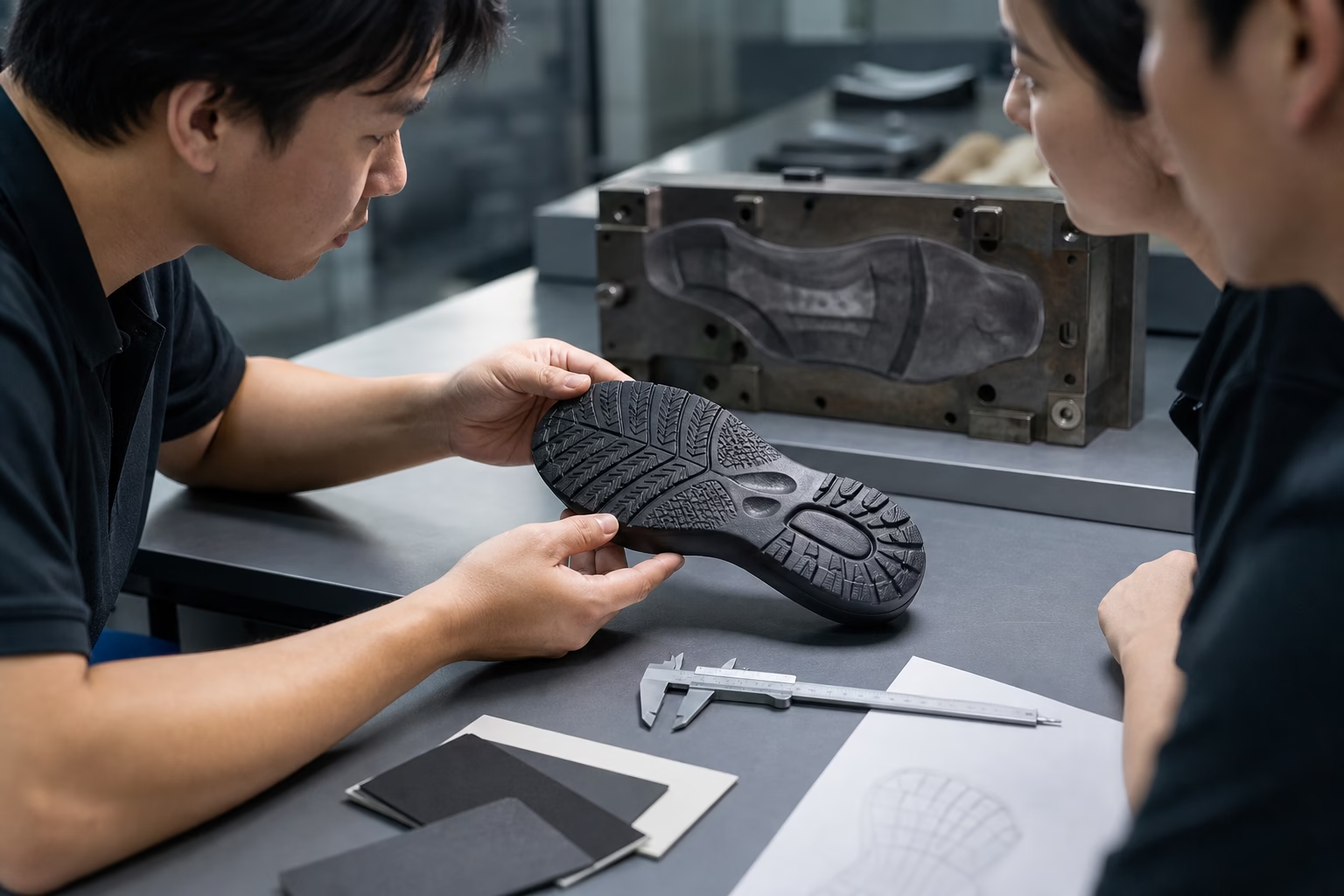
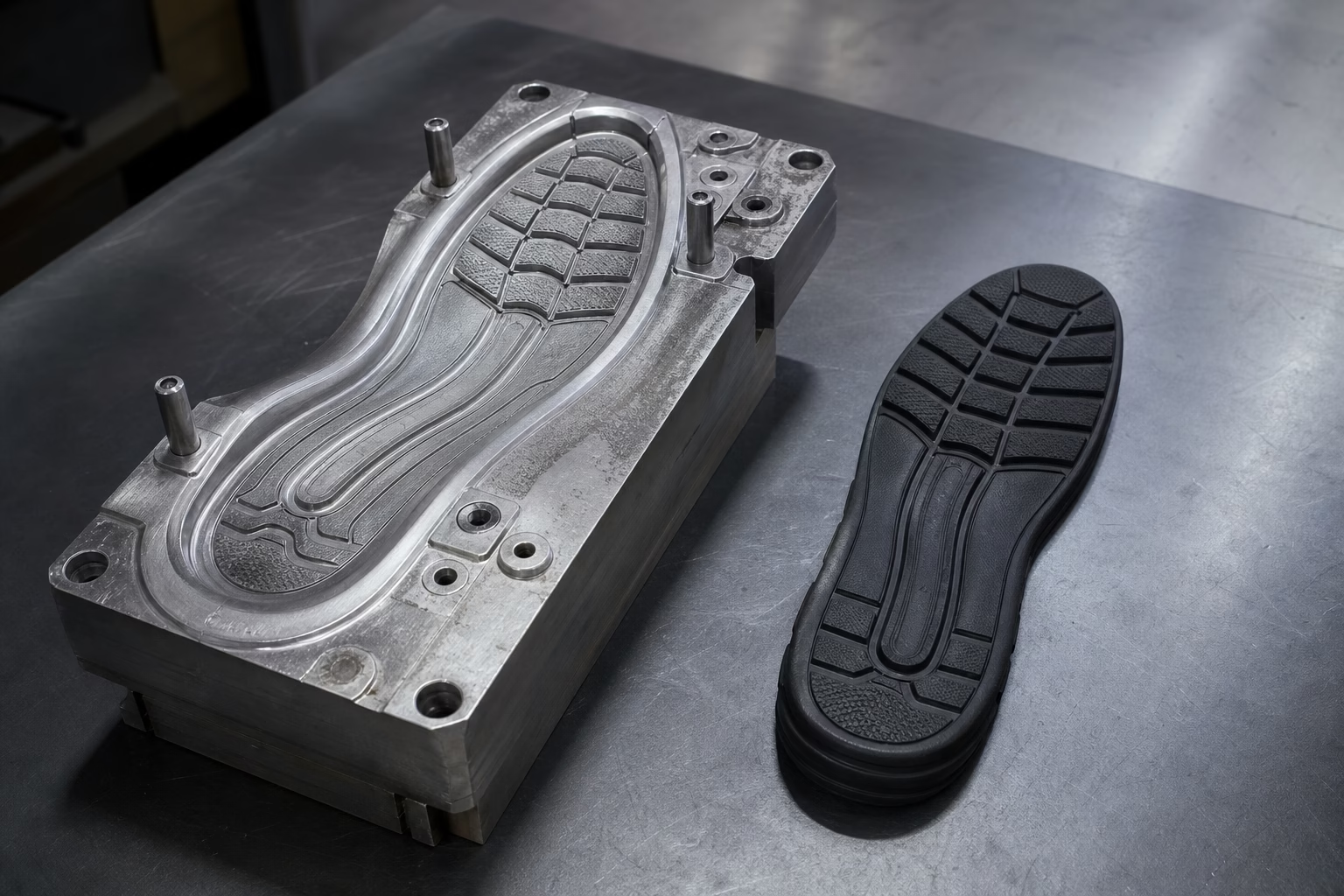
Compare Existing-Mould and New-Mould Sample Routes
The main scheduling question is whether the proposed sample can use a relevant existing mould or requires a new mould. This decision affects the development path and the sample availability period. These periods describe sample availability, not a guaranteed delivery date. The route must first be reviewed against the actual product brief. Requirements outside a mould-based outsole project may follow a different schedule. For a broader comparison of development, packaging, production and export support, review our footwear customization and production services .
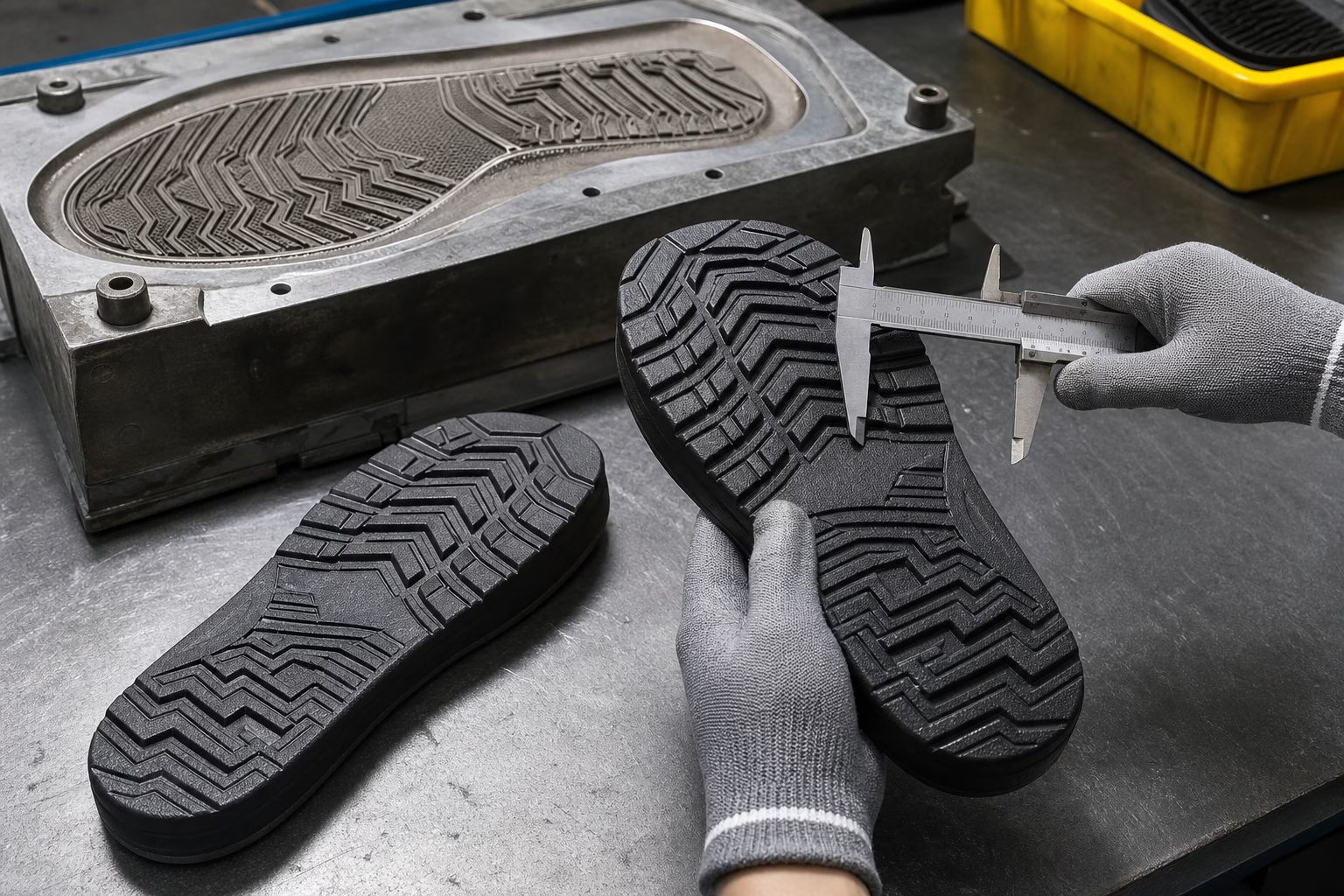
When The5-Day Existing-Mould Route May Apply
An existing-mould route may be suitable when a relevant mould is available and the requested specification can be sampled through that setup. Samples under this route can be available in5 days, subject to confirmation that the route applies to the project. To assess the route, identify the product and provide the known mould status, requested size run and intended sample specification. A visual reference alone may not establish that an existing mould is suitable. Material, colour, size and process requirements can affect whether the proposed sample can proceed as requested. If you plan to provide your own tooling, a separate compatibility review may be needed. Information about that cooperation path is available through our customer-owned outsole mould service . The detailed tooling assessment remains separate from the sample approval task covered here.
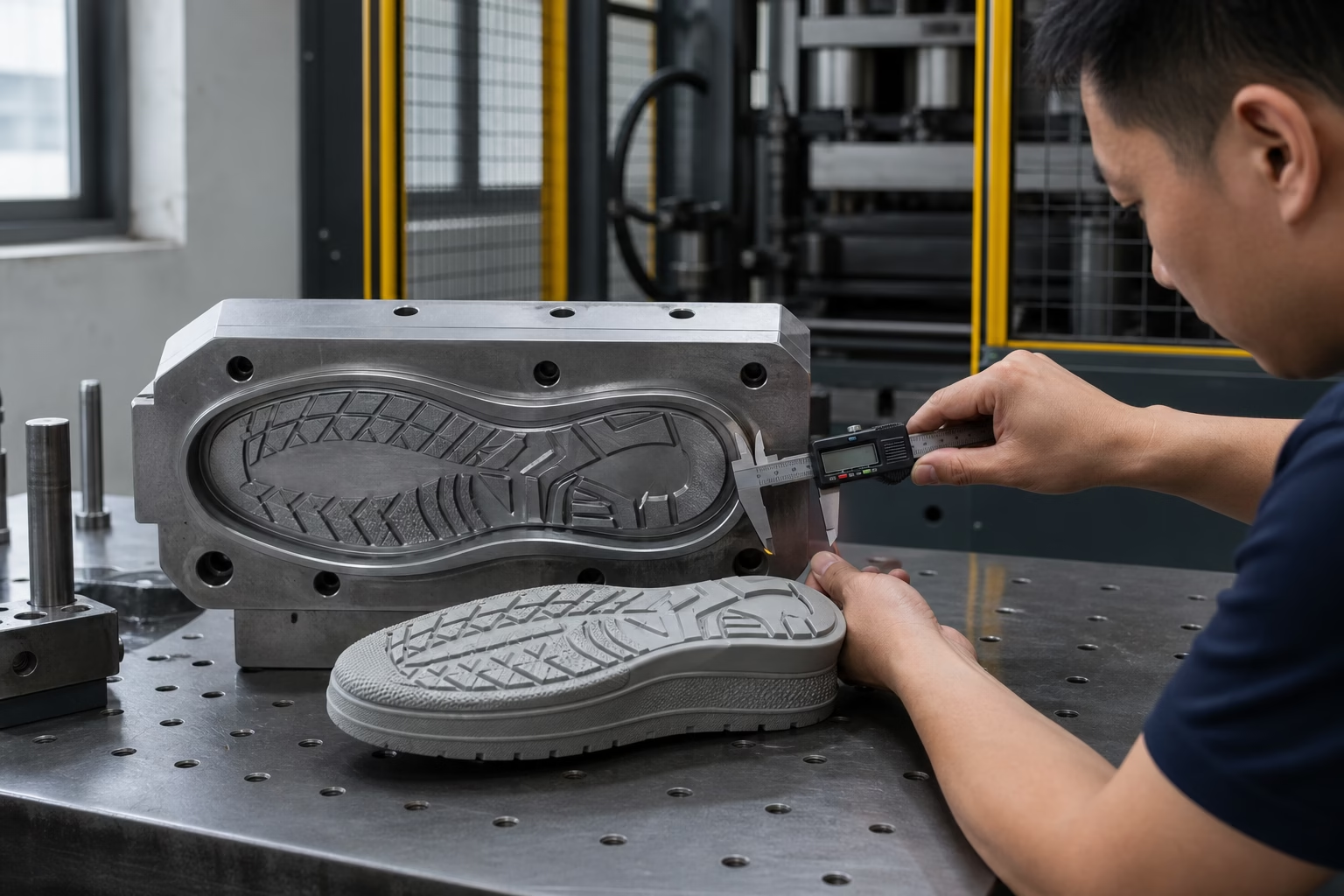
When Sampling Requires a New Outsole Mould
A new-mould route applies when the required outsole cannot proceed from a relevant existing mould. For this route, samples can be available within1 month. The period is longer because a new mould is required before the sample can be produced for review. The mould route should be confirmed before your team uses this timing in a project plan. A new design, changed size scope or other project requirement may affect which route is relevant. The sample schedule should therefore remain linked to the reviewed product information rather than treated as a standard period for all footwear products. Buyers who need information about tooling scope, mould assessment and the mould-opening stages can review our outsole mould opening service . That service addresses the tooling decision in detail, while this service focuses on receiving, reviewing and approving the resulting sample.
Define Sample Acceptance Criteria Before Review
A sample is useful only when the buyer and supplier understand what it must confirm. Acceptance criteria should connect the sample to the agreed product reference and identify the points that control the approval decision. Your review record may cover: Where required, WENCHANG can support test planning for slip resistance, abrasion resistance, colour fastness to yellowing, light fastness and REACH compliance testing. The applicable items must be identified for the specific project. This does not mean that every development sample receives every test, and test thresholds should not be assumed without an agreed requirement. Our wider quality controls include incoming material inspection, first-article review, in-process checks and final inspection. These provide production quality context, but all four stages should not be interpreted as mandatory steps performed on every individual development sample.
Visual Details Agreed for the Sample, Including Relevant Colour and Appearance Points.
Product Specifications, Size Information and Material or Process Requirements Included in the Project Brief.
Fit with the Agreed Artwork, Drawing or Physical Reference.
Any Physical or Chemical Test Requirements Relevant to the Project.
Comments or Deviations That Must Be Resolved Before Approval.
Record an Approval, Revision or Rejection Clearly
After receiving the sample, the buyer should make one of three clear decisions: approve it, provide defined comments for revision or reject it against a stated requirement. A precise decision reduces uncertainty when the project moves to its next commercial stage. A revised sample may require further review, but the number of revisions and the time required cannot be assumed in advance. They depend on the comments, the affected specification and the confirmed development route.
Approve the Sample:
Identify the sample or project reference being approved and retain the decision in the project record.
Request a Revision:
State the affected specification, visual point, size, material, process or reference detail. General comments such as changing the overall feel are harder to apply than comments tied to a defined requirement.
Reject the Sample:
Record which agreed requirement was not met and what information is needed before another route is considered.
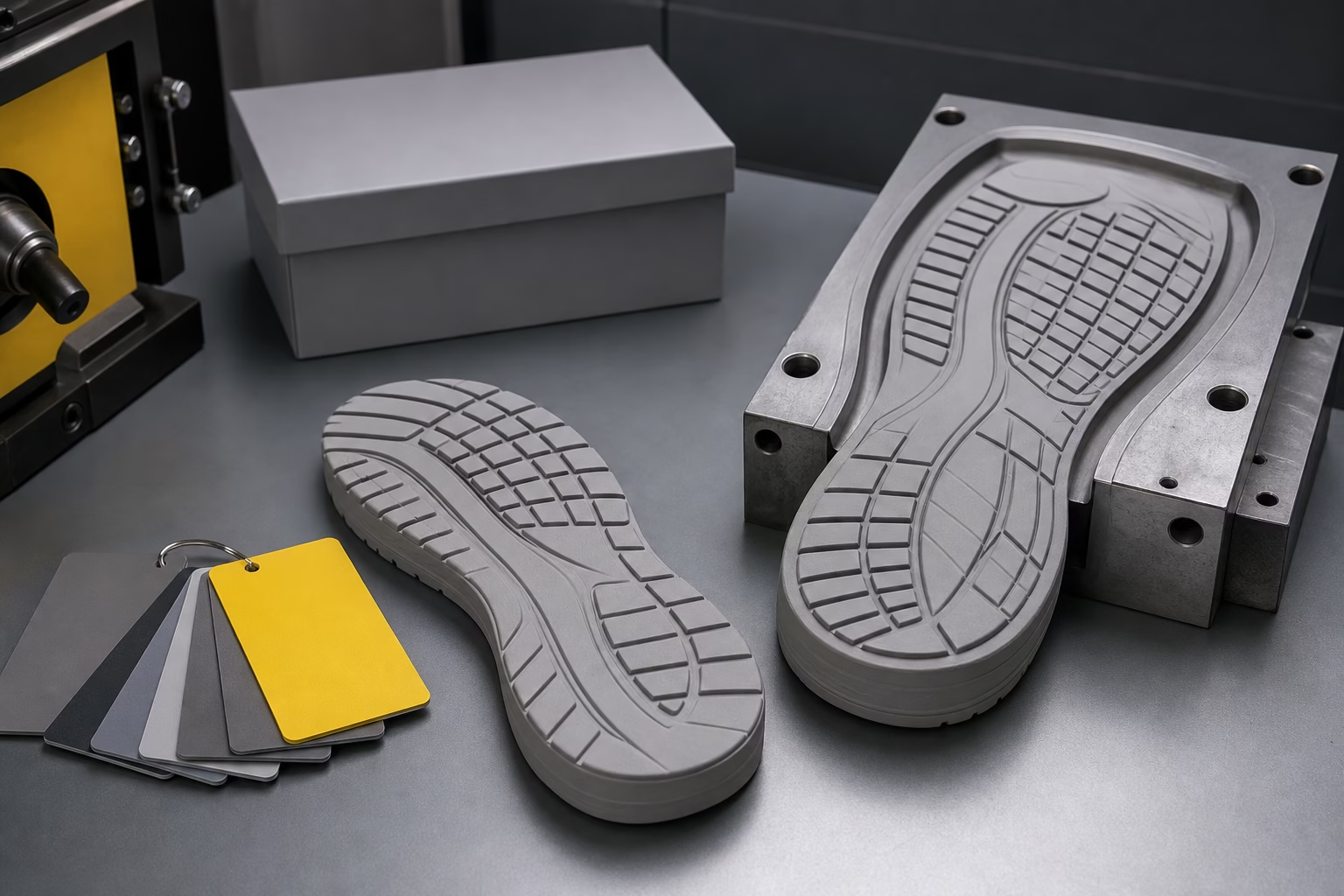
Keep Sample Communication Tied to One Project Record
WENCHANG provides one-to-one project follow-up covering artwork and samples, as well as later production updates, inspection and shipment tracking when those stages apply. During sampling, the relevant focus is maintaining a clear connection between the submitted reference, the produced sample, buyer comments and the final decision. Use consistent product names, sample identifiers and revision references in each message. If several styles, colours or sizes are under review, record decisions separately. This prevents approval for one version from being applied incorrectly to another. A useful status record identifies what was submitted, which sample route applies, what is awaiting review and what decision has been made. It also allows purchasing, product and quality teams to work from the same information without turning an informal comment into production authorization.
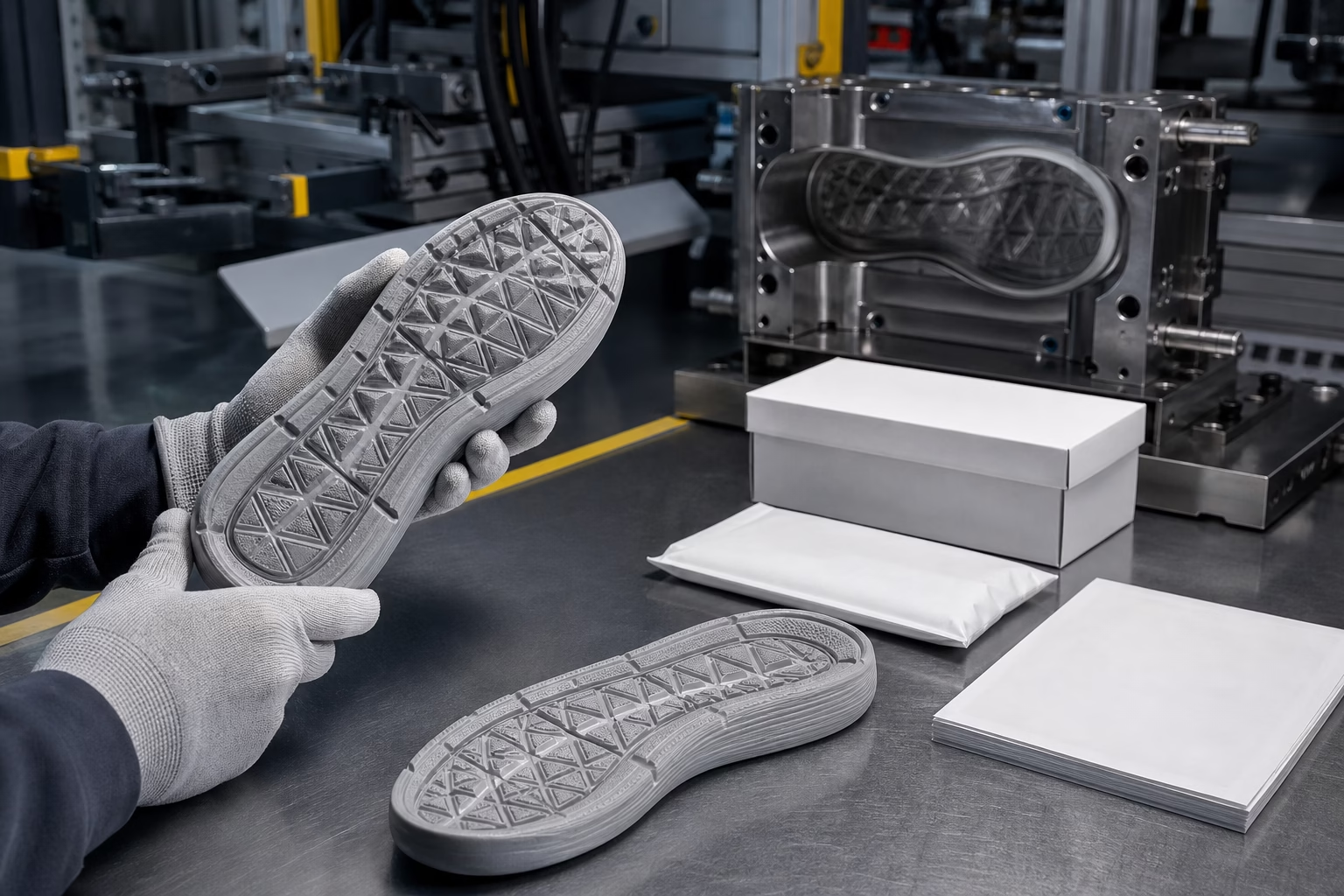
Move from Sample Approval to Commercial Review
Sample approval is a decision point, not an automatic production commitment. Once the relevant sample has been approved, your purchasing team can prepare the information needed for a project-specific quotation and order review. Confirm the approved sample reference, intended quantity, complete size run, packaging requirements, destination and required schedule. Include testing requirements if they affect the commercial or production plan. These details allow the quotation to reflect the actual order rather than an earlier sample assumption. If you are ready to submit the complete order brief, use the footwear and outsole quotation form . If the immediate task is still sample creation or approval, keep the enquiry on the dedicated sample route.
Footwear Sample Development Questions
When a relevant existing mould can be used for the proposed specification, the sample can be available in5 days. The route must be confirmed first, and the timing is not a guaranteed delivery date or a universal period for every supplied product. If a new mould is required, the sample can be available within1 month. This timing is specific to the new-mould route and should be used only after the project has been identified as requiring new tooling. Provide the product type, artwork or reference, size run, material or process, colour, intended order quantity, testing requirements and required schedule. Include known mould information so the existing-mould or new-mould route can be reviewed. Yes. We support samples as an approval step before a buyer makes a bulk production decision. The available route and timing depend on the product brief, mould status and sample requirements. Approval of a sample does not by itself release a bulk order. State required test items when submitting the initial sample brief. When reviewing the sample, connect each comment to a defined specification, visual reference, size, material or process point. This creates a clear record for approval or further review.
How Long Can an Existing-Mould Footwear Sample Take?
When a relevant existing mould can be used for the proposed specification, the sample can be available in5 days. The route must be confirmed first, and the timing is not a guaranteed delivery date or a universal period for every supplied product.
How Long Can a Sample Take When a New Outsole Mould Is Required?
If a new mould is required, the sample can be available within1 month. This timing is specific to the new-mould route and should be used only after the project has been identified as requiring new tooling.
What Information Should I Provide to Start Footwear Sample Development?
Provide the product type, artwork or reference, size run, material or process, colour, intended order quantity, testing requirements and required schedule. Include known mould information so the existing-mould or new-mould route can be reviewed.
Can WENCHANG Develop a Custom Footwear Sample Before a Bulk Order?
Yes. We support samples as an approval step before a buyer makes a bulk production decision. The available route and timing depend on the product brief, mould status and sample requirements. Approval of a sample does not by itself release a bulk order.
How Should Testing Requirements and Approval Comments Be Submitted?
State required test items when submitting the initial sample brief. When reviewing the sample, connect each comment to a defined specification, visual reference, size, material or process point. This creates a clear record for approval or further review.
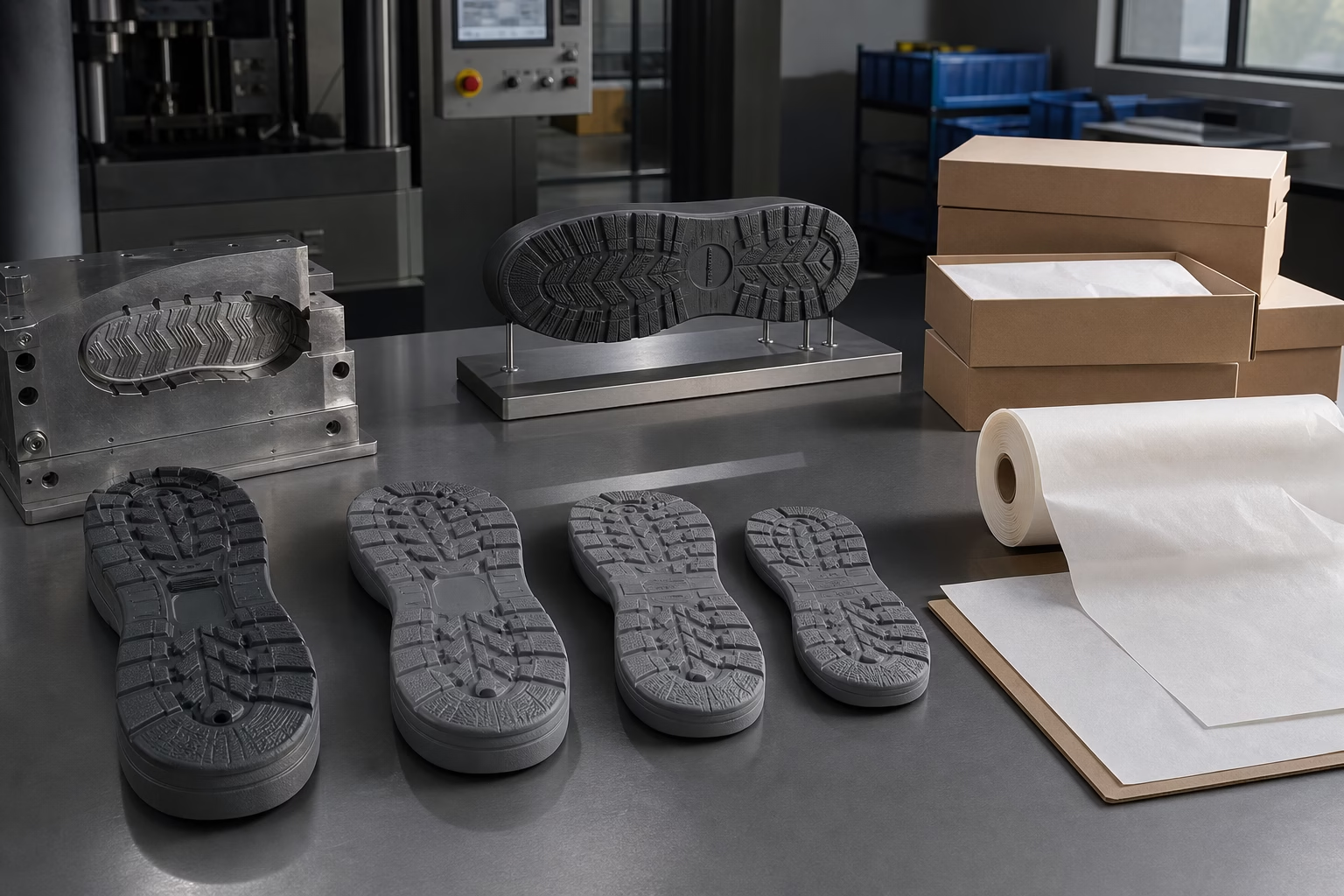
Start with the Correct Sample Route
Send your product reference, mould status, size run and approval requirements for review. We will use the submitted information to identify whether the relevant existing-mould or new-mould route applies. Request a project sample
FAQ
Frequently Asked Questions
Information Needed to Start a Sample Request
A clear sample brief allows us to identify the likely route and review the request against the intended commercial project. Provide enough information to distinguish the product, the required result and the conditions that matter at approval. If the design files need separate preparation or technical clarification, use our artwork and reference review service . Procurement teams can also consult the outsole sample timing and approval guide when preparing an internal schedule.
Product Type:
State whether the request concerns an outsole, shoemaking accessory or finished footwear.
Artwork or Reference:
Supply the relevant drawing, image, physical reference information or other product reference.
Size Run:
List the sizes involved and identify the size requested for sampling.
Material or Process:
State known requirements that may affect the sample route.
Colour:
Provide the intended colour information or visual reference.
Intended Order Quantity:
Include the expected quantity so the sample can be reviewed in its commercial context.
Testing Requirements:
Identify any required physical or chemical test items at the start.
Required Schedule:
State the date or project milestone your team is planning around.