Footwear Artwork Review for Clear Project Assessment
Jinjiang WENCHANG Footwear Materials Co., Ltd. Reviews footwear artwork, drawings and product references for brands, footwear factories, importers and purchasing teams preparing B2B projects. WENCHANG produces footwear outsoles and supplies shoemaking accessories and finished footwear. Begin with a drawing, annotated image or product reference, then identify any open material, colour, size or process details. One-to-one project follow-up can continue through artwork clarification, samples, production updates, inspection and shipment tracking when the project moves forward.
Choose the Right Starting Reference
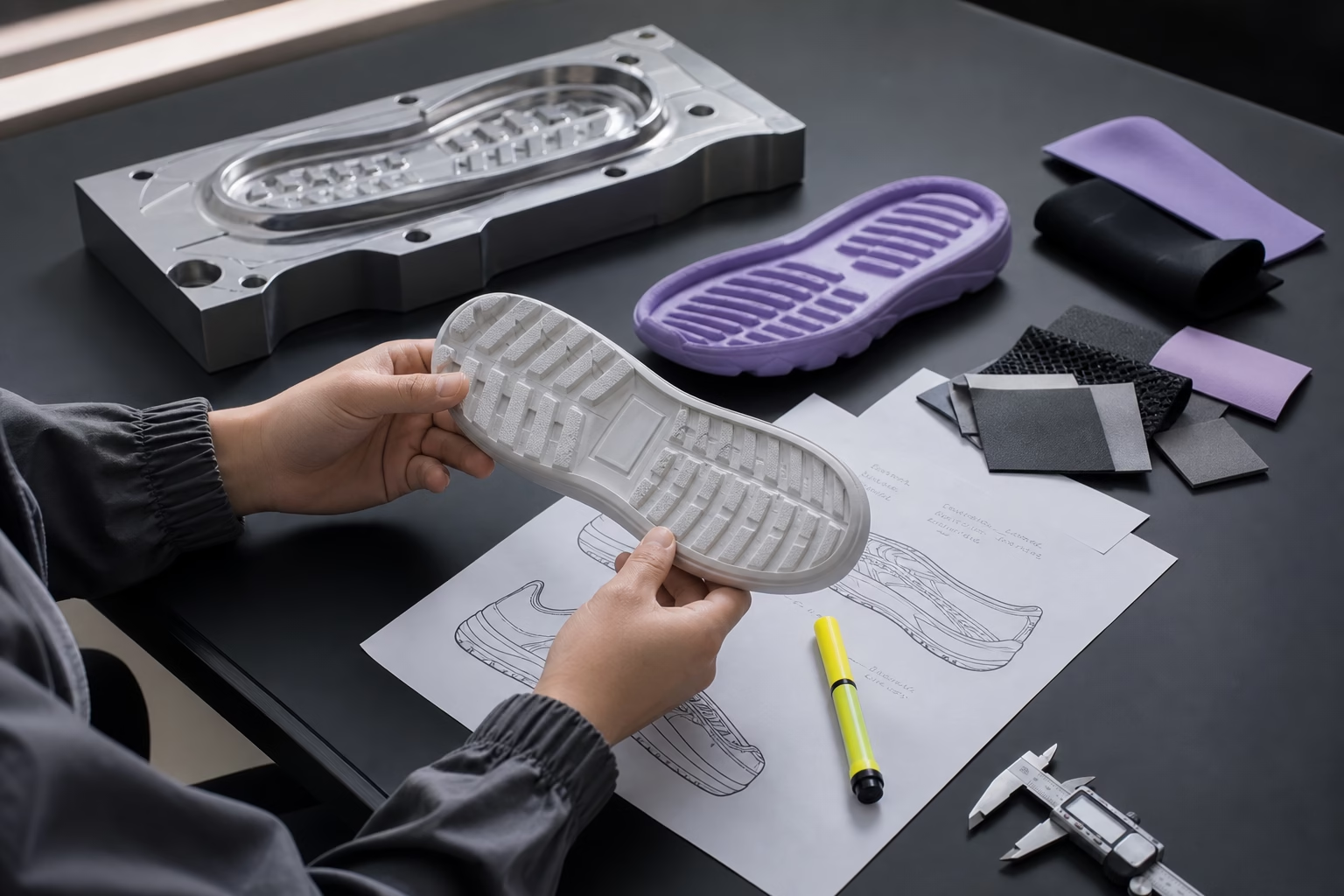
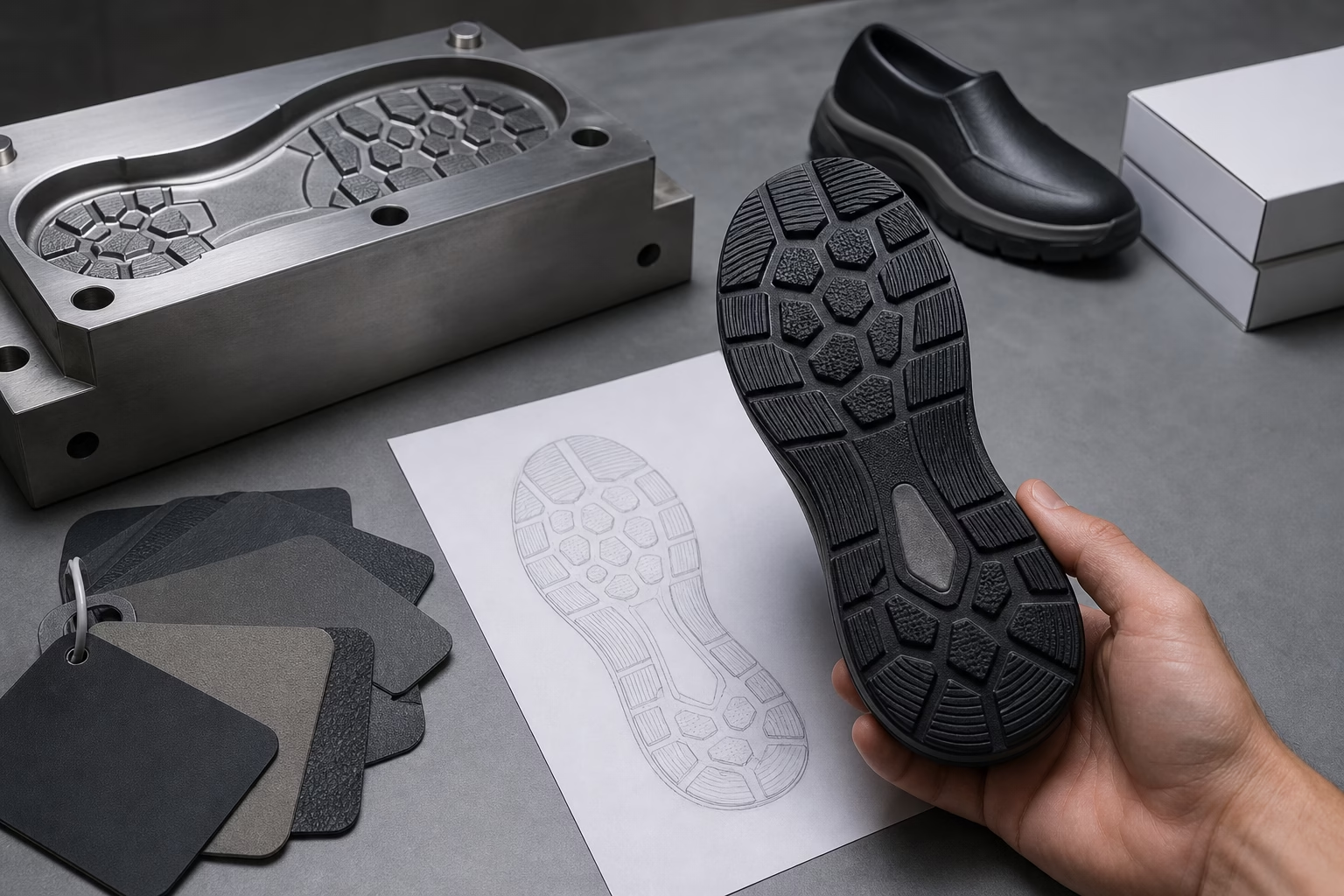
You do not always need a complete production drawing to begin a review. The starting material can be a defined technical drawing, artwork, annotated product image or reference product. The right option depends on the stage of your project and how much technical information has already been confirmed. If the drawing is incomplete, mark the missing information rather than presenting assumptions as final specifications. This allows us to separate confirmed instructions from points that need discussion. If you want to provide a physical reference, first send images and project details so that handling arrangements can be discussed separately.
Identify the Product and the Part Under Review
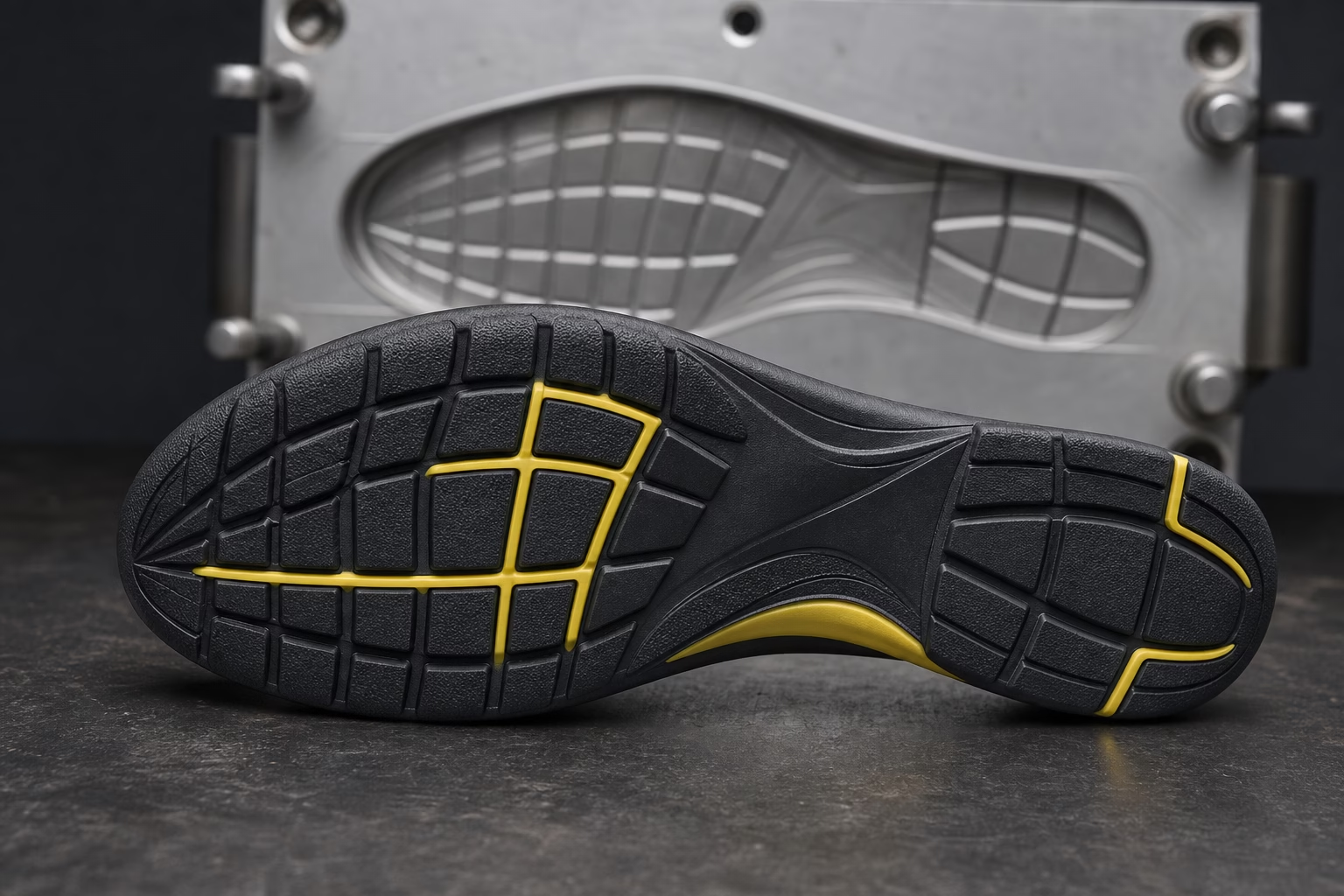
State clearly whether the enquiry concerns an outsole, a shoemaking accessory or finished footwear. Jinjiang WENCHANG supplies all three product groups for B2B footwear sourcing, but each requires a different information set. Clear product identification prevents an outsole surface drawing, accessory reference or complete shoe design from being assessed as the wrong type of item. For an outsole enquiry, name the intended footwear style and identify what the artwork represents. It may show the ground-contact surface, sidewall, upper-facing side, logo area, colour zone or complete outsole structure. Label each view so its purpose is clear without relying on visual interpretation alone. For shoemaking accessories, describe the item’s role and where it fits in the footwear. For finished footwear, identify the complete style and point out which parts of the supplied reference are fixed and which are open to change. The review record can then support a more focused discussion before development or quotation.
Make Dimensions and Revisions Easy to Follow
A drawing is easier to assess when its dimensions, labels and revision history can be understood without guesswork. There is no need to rely on an unstated file convention. Instead, prepare a clear information package using the controls that suit your design system. When several files are submitted, identify which version controls the review. If a later image changes an earlier drawing, describe the change in writing. This reduces the risk of an old reference being treated as the current design.
Relevant Views:
Include the top, bottom, side, section or detail views needed to explain the product.
Dimensions:
Show the measurements that control shape, fit or component position.
Measurement Units:
State the unit beside the dimensions or in a visible drawing note.
Component Labels:
Name separate parts, surfaces, inserts, zones or interfaces.
Revision Status:
Add a revision number, date or other clear version marker.
Protected Features:
Mark logos, dimensions or visual elements that must not change.
Open Points:
Flag estimates, missing measurements and assumptions that require confirmation.
State the Intended Outsole Material and Process
For an outsole drawing review, name the requested material when it has already been selected. Our verified supply scope includes TPR, RB rubber, MD Phylon, PU and ETPU combined outsoles. If the material is not final, say that the selection remains open and provide the design, application and testing context needed for further discussion. Also state the intended production process when it is known. Material and process information affect how artwork, dimensions and construction notes are interpreted. They should not be added to a drawing merely as visual labels if they have not been confirmed. TPR provides one example of why this information matters. The verified TPR sequence includes mould development, material, injection, cooling forming, trimming, quality inspection and packaging. Artwork information can affect early decisions in that sequence, but the same production route should not be assumed for RB rubber, MD Phylon, PU or ETPU combined constructions. If you need broader material-selection guidance rather than an artwork check, use the relevant product or development route within our footwear customization and production services .
Align Colour Instructions with Visual References
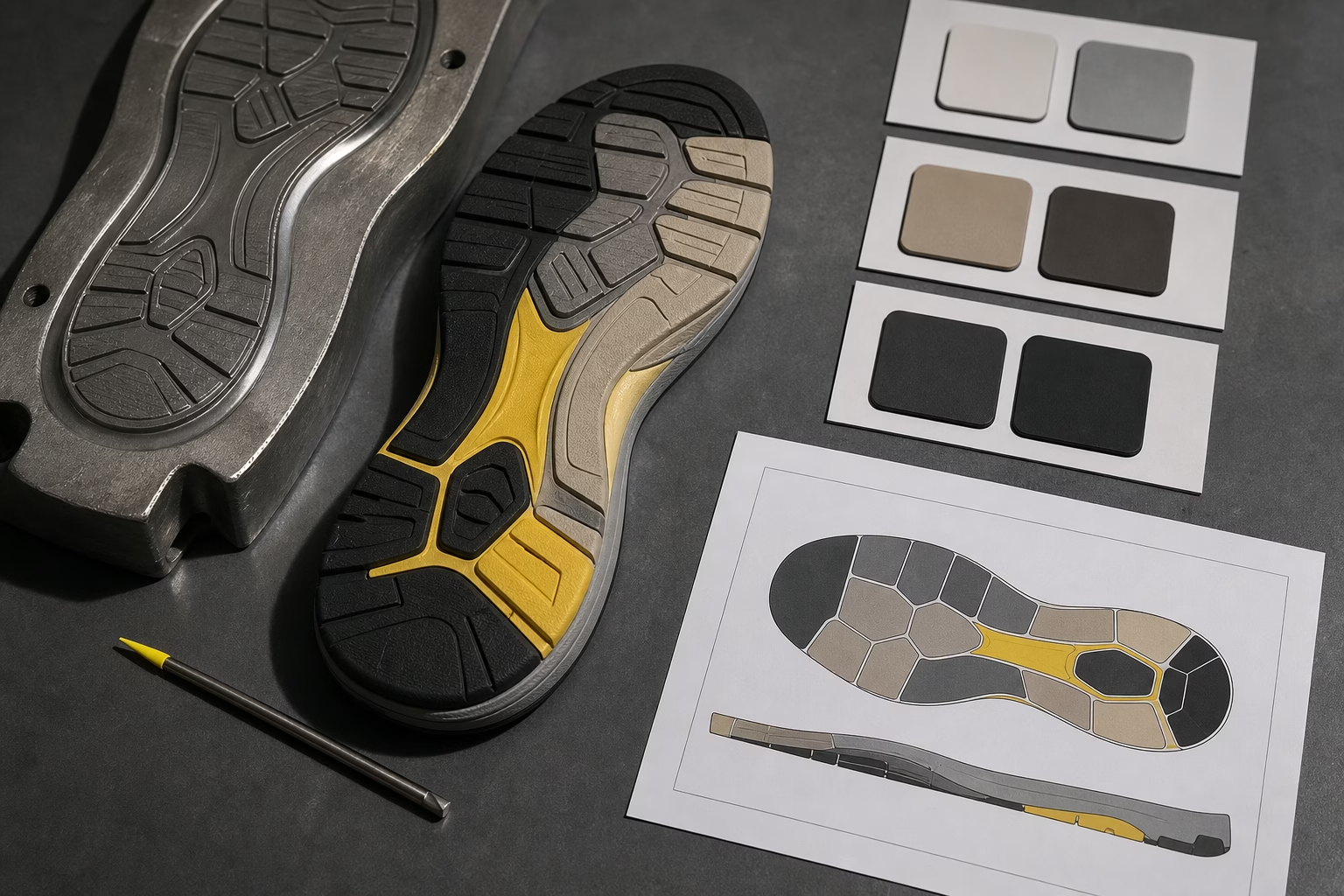
Colour information should show both the required appearance and where each colour belongs. Mark colour zones directly on the artwork where possible, and use component labels when several parts have similar shapes. For multi-colour artwork, show the separation between colours rather than relying only on a rendered image. Written instructions, artwork and reference photos do not always agree. If they conflict, state which source controls. For example, you may specify that the drawing controls colour placement while a reference image communicates only the general visual direction. If a physical reference is the preferred source, identify the exact area that should be considered. Do not leave unclear colour areas to assumption. List unresolved colour decisions as open points for review. Artwork assessment can identify conflicting or missing information, but it does not by itself promise colour-matching accuracy or an approval outcome.
Define the Size Run and Drawing Scale
State the target size run and identify the base size represented by the drawing or reference. A base size is the specific size used to create or display the design information. Without it, a dimension may be mistaken for a value that applies to every size. For each submission, confirm: Do not assume that one drawing automatically defines the complete size run. Detailed grading, mould scope and sampling decisions belong to later project stages. The immediate goal is to make the scale and size basis of the submitted artwork clear.
The Full Intended Size Range;
The Base Size Shown in the Artwork;
Whether the Drawing Is Presented at a Stated Scale;
Whether Dimensions Apply Only to the Base Size;
Which Dimensions or Features Are Expected to Change Between Sizes; And
Which Size-Related Details Have Not Yet Been Decided.
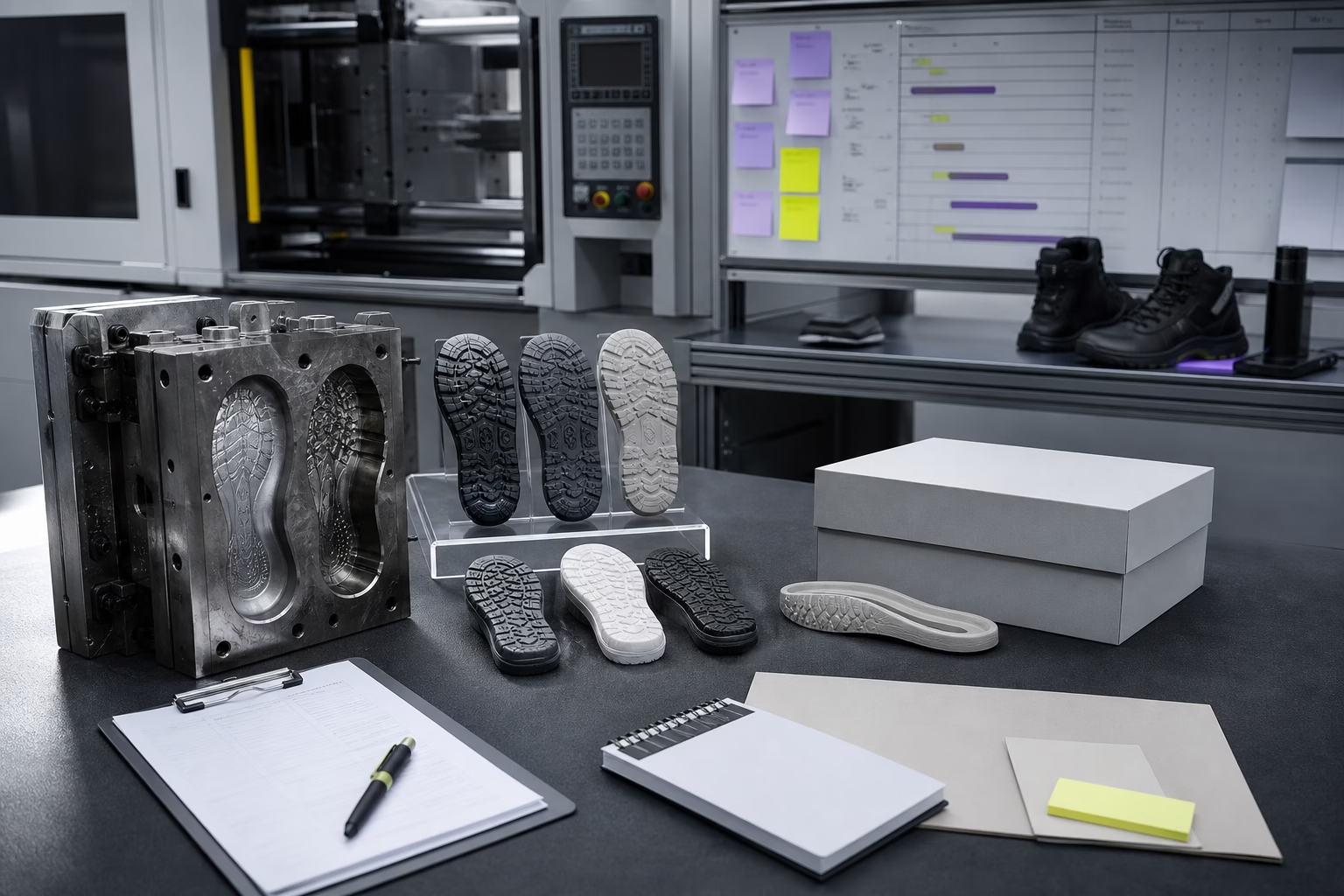
Add Order and Testing Context to the Design Brief
Quantity, destination and required schedule help place the artwork in its commercial context. These details do not replace technical information, but they allow the project to be considered against its intended order rather than as an isolated drawing. Include the planned quantity and identify whether it covers one style or several styles. State the destination, any packaging requirement relevant to the quotation, and the schedule you are working toward. Timing should be presented as a buyer requirement for review, not as an assumed production commitment. Testing requirements should also be stated early. We can support projects involving physical test items such as slip resistance, abrasion resistance, colour fastness to yellowing and light fastness, as well as chemical testing for REACH compliance. The required item, method, acceptance criteria and evidence needs should be confirmed for the specific project rather than assumed from a general product description. For help preparing this part of the brief, see planning test requirements for outsole orders .
Turn Mixed References into a Documented Review Record
The practical result of an artwork assessment is a clearer record of what has been submitted and what still needs to be resolved. Jinjiang WENCHANG uses one-to-one project follow-up to keep artwork questions connected to the buyer’s project information. A review record may distinguish among: Artwork review is an information-control step. It does not by itself confirm manufacturing feasibility, price, mould requirements, sample approval or production timing. Those decisions depend on the relevant project route and the complete specifications available at that stage.
Details Shown Consistently Across the Drawing and References;
Dimensions, Materials, Colours or Sizes That Remain Open;
Conflicts Between Written Notes and Visual Files;
Features That the Buyer Has Marked as Fixed;
Assumptions That Must Not Be Treated as Approved Specifications; And
Information Needed Before the Next Technical or Commercial Stage.
Questions About Footwear Drawing and Reference Review
Include the product type, artwork or reference, relevant views, dimensions, measurement units, revision status, size run, material or process, colour instructions and fixed design features. Quantity, packaging, destination, required schedule and testing requirements provide useful context for later quotation planning. Yes. Product photos, annotated images or a physical reference can provide a starting point when a technical drawing is incomplete. Mark the exact component and features to be reviewed, provide known measurements, and list the information that remains uncertain. Contact us before sending a physical item so arrangements can be discussed. Label the intended material and process only when they are known. Mark colour zones on the relevant views and explain which source controls if the written instructions, artwork and reference images differ. If material or process selection remains open, state that clearly rather than presenting it as confirmed. Yes, these details help establish the scale and scope of the review. Identify the complete target size run, the base size shown in the artwork and whether dimensions apply to one size or several sizes. You can mark unresolved size details as open questions. An initial review can begin from the available drawing, image or reference. Incomplete details may lead to follow-up questions, so separate confirmed requirements from assumptions and open decisions. The review becomes more useful as material, colour, size and process information is added. No. Artwork review organizes the submitted design information and identifies gaps or conflicts. Feasibility, quotation, mould requirements and sampling conditions require the relevant technical or commercial assessment after sufficient project details are available.
What Information Should I Include with Footwear Artwork for Technical Review?
Include the product type, artwork or reference, relevant views, dimensions, measurement units, revision status, size run, material or process, colour instructions and fixed design features. Quantity, packaging, destination, required schedule and testing requirements provide useful context for later quotation planning.
Can I Submit Product Photos or a Physical Reference If the Drawing Is Incomplete?
Yes. Product photos, annotated images or a physical reference can provide a starting point when a technical drawing is incomplete. Mark the exact component and features to be reviewed, provide known measurements, and list the information that remains uncertain. Contact us before sending a physical item so arrangements can be discussed.
How Should I Show Material, Colour and Process Requirements in an Outsole Drawing?
Label the intended material and process only when they are known. Mark colour zones on the relevant views and explain which source controls if the written instructions, artwork and reference images differ. If material or process selection remains open, state that clearly rather than presenting it as confirmed.
Do I Need to Provide the Full Size Run and Identify a Base Size?
Yes, these details help establish the scale and scope of the review. Identify the complete target size run, the base size shown in the artwork and whether dimensions apply to one size or several sizes. You can mark unresolved size details as open questions.
Can an Outsole Supplier Review Artwork Before All Project Details Are Final?
An initial review can begin from the available drawing, image or reference. Incomplete details may lead to follow-up questions, so separate confirmed requirements from assumptions and open decisions. The review becomes more useful as material, colour, size and process information is added.
Does Artwork Review Confirm Feasibility, Price, Mould Requirements or Sample Timing?
No. Artwork review organizes the submitted design information and identifies gaps or conflicts. Feasibility, quotation, mould requirements and sampling conditions require the relevant technical or commercial assessment after sufficient project details are available.
FAQ
Frequently Asked Questions
Submit the Files or Move to a Quotation
Before sending your project, check that the submission identifies the product type, artwork or reference, material or process, colour, size run, quantity and testing needs. Add packaging, destination and required schedule when you are also preparing for a commercial assessment. If files are ready but some project details remain open, use the specification upload route . If you already have a complete technical and commercial brief, request a footwear or outsole quotation . Send artwork for review