Casual Shoe Components for B2B Production
Jinjiang WENCHANG Footwear Materials Co., Ltd. Produces footwear outsoles and supplies shoemaking accessories for casual footwear purchasing teams and shoe production projects. We help brands, importers, distributors and factories organize casual shoe component sourcing around a defined style, size run and production plan. Our outsole scope includes TPR, RB rubber, MD Phylon, PU and ETPU combined options. Suitable projects can also be reviewed for accessory requirements, artwork, outsole mould opening, sampling and custom development. Send your product reference, required components, quantities, sizes, colours, destination and schedule for a project-specific assessment and quotation.
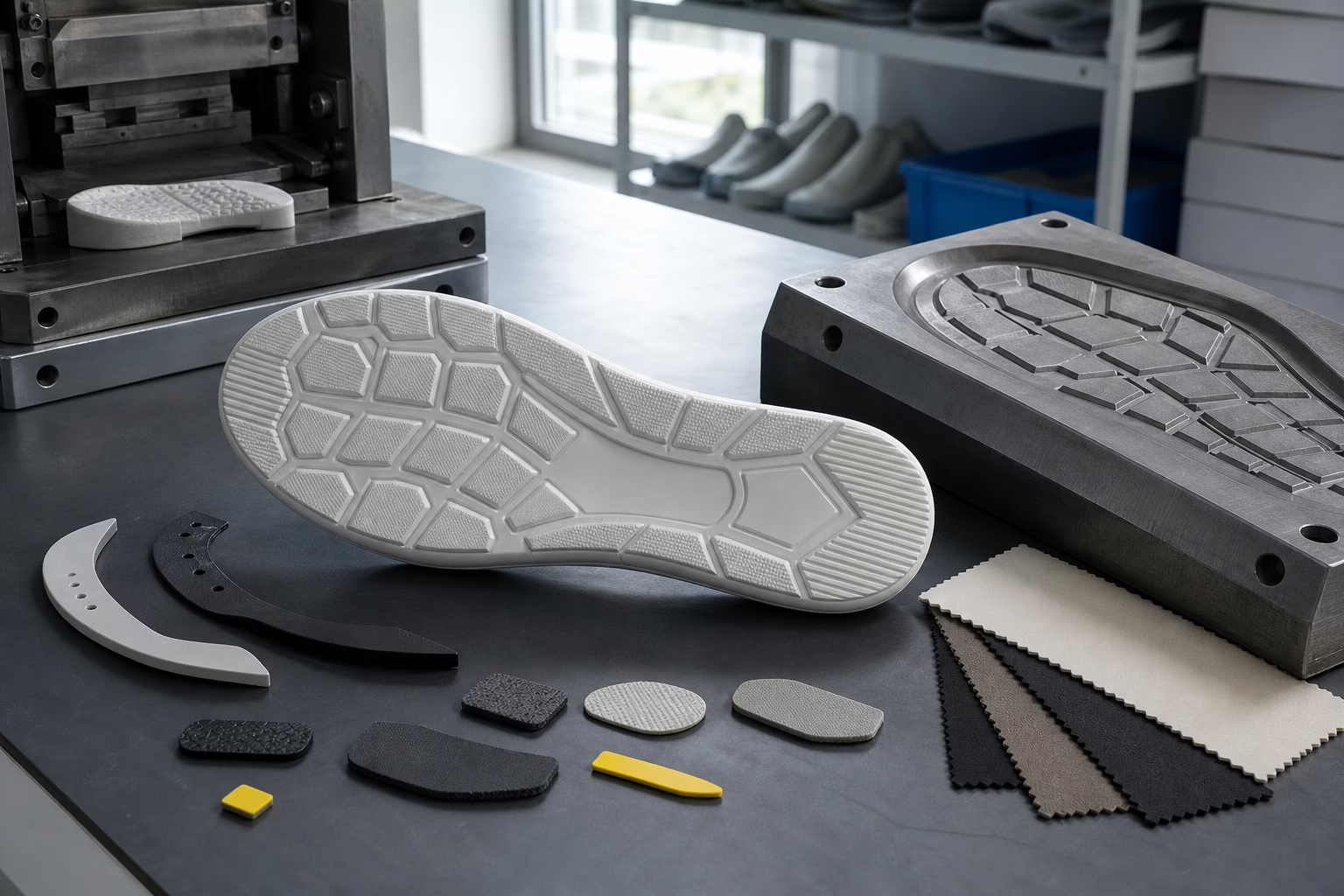
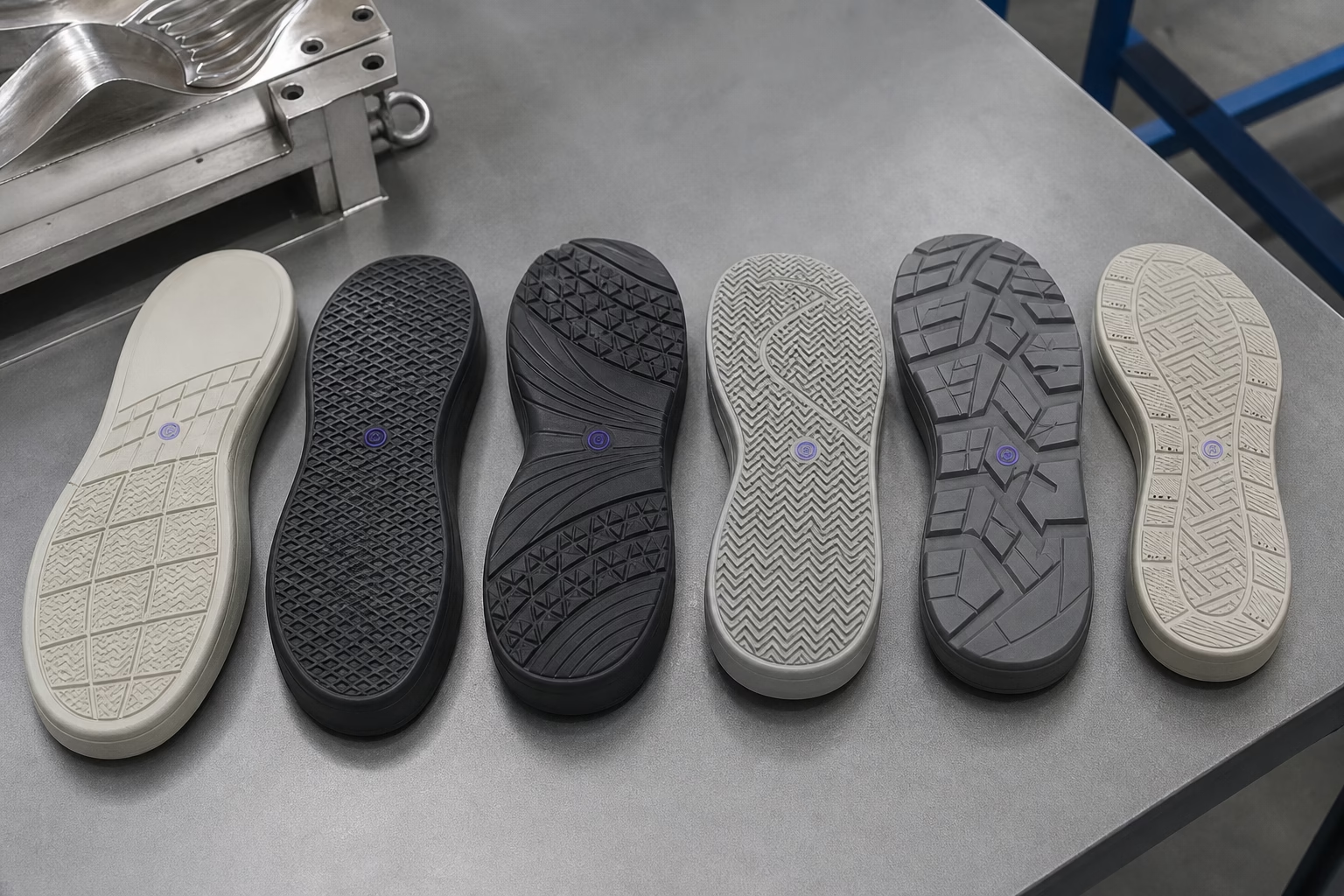
Sourcing Scope
Coordinate Outsoles and Accessories Around One Casual Shoe Style
Casual footwear programmes may involve an outsole, related shoemaking accessories and development work for the same design. WENCHANG can review these requirements together to reduce confusion across component references, colourways and size ranges. Suitability and availability depend on the actual component and project brief; no material or accessory is assumed to fit every design.
Style Definition
Build the Component Brief from the Target Shoe Design
Define the intended casual shoe before selecting individual components. The style reference provides context for outsole shape, component relationships, appearance and the expected production route. Artwork or a reference starts the review but does not confirm production readiness; missing dimensions, unclear revisions or incomplete material information may need resolution first.
Identify the Product and Style.
State the type of casual footwear and provide artwork, a drawing, clear images or a physical reference where available.
List the Required Components.
Separate the outsole requirement from each accessory requirement so nothing is treated as part of the wrong item.
Define the Order.
Give the quantity by style, the complete size run and the colour breakdown.
State Technical Preferences.
Include the requested outsole material, construction or production process if already decided.
Add Commercial Context.
Provide packaging instructions, destination and the schedule required by your production programme.
Record Testing Needs.
Name physical or chemical test requirements that may affect development, samples or order planning.
Material Review
Choose an Outsole Material Route for Supplier Review
Outsole material selection should follow the shoe design, construction, production process and testing brief. A material name alone does not establish compatibility. WENCHANG can assess five verified outsole families, but no option is presented as suitable for every casual footwear style. Record the selected route in the style specification to control later changes.
TPR
Confirm the design reference, process needs, colour, size run and mould status, then check construction against the specification.
Provide the drawing or reference, material request, test criteria and shoe design before sampling or quotation.
MD Phylon
Define the style, construction, size range, colour and quantity so the requested route can be reviewed.
PU
Supply artwork or a reference, dimensions, visual requirements and mould information for complete specification assessment.
Define the combined structure, component relationship, size run and process requirements as one outsole system.
Accessory Identification
Identify Shoemaking Accessories Without Ambiguous References
A general request for shoe accessories does not define a supply item. Identify every component separately using its name, drawing, image, reference sample or other available specification. WENCHANG can review combined procurement as a practical sourcing route, but each requested accessory must first be matched to the company’s supply scope and confirmed as available.
The Casual Shoe Style to Which It Belongs;
The Component Reference or File Name;
The Quantity and Size Relationship, Where Relevant;
The Required Colour and Visual Reference;
The Material or Process Preference, If Defined;
Any Packaging or Identification Instructions.
Development Route
Move from an Existing Reference to Custom Outsole Development
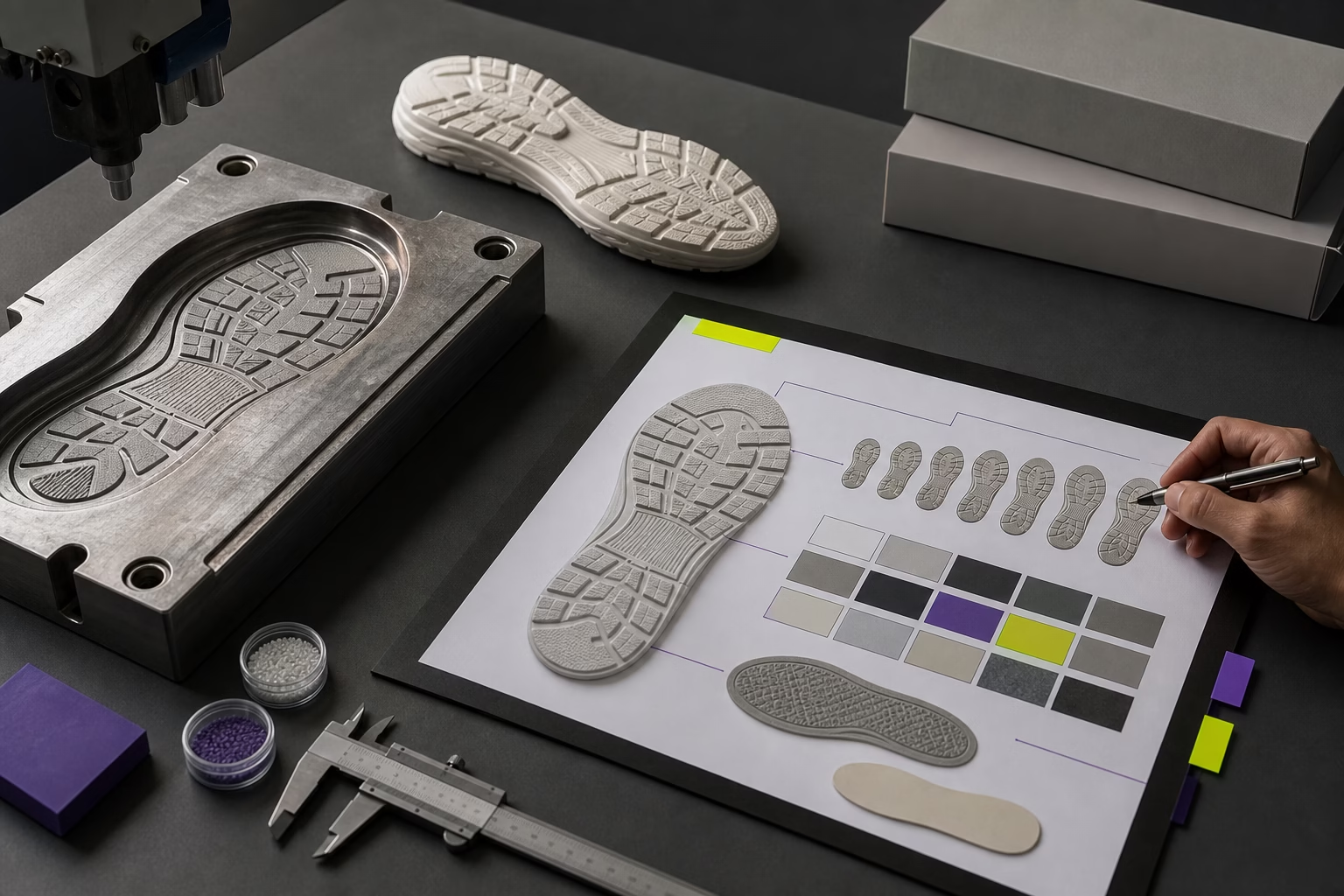
A casual shoe project may begin with finished artwork, a product reference or an existing outsole mould. The appropriate development route depends on the information and tooling already available. WENCHANG reviews artwork, materials, colours, sizes, processes, testing needs and mould compatibility before samples or production arrangements are discussed.
01
Artwork or Design Reference
Artwork, drawings, photographs or physical references can establish the intended shape and appearance. They must still be reviewed with the material, colour, size run, process and test requirements.
02
Existing Mould
If an existing mould route is proposed, provide the available mould information and the intended outsole specification. Compatibility must be reviewed rather than assumed.
03
New Mould Opening
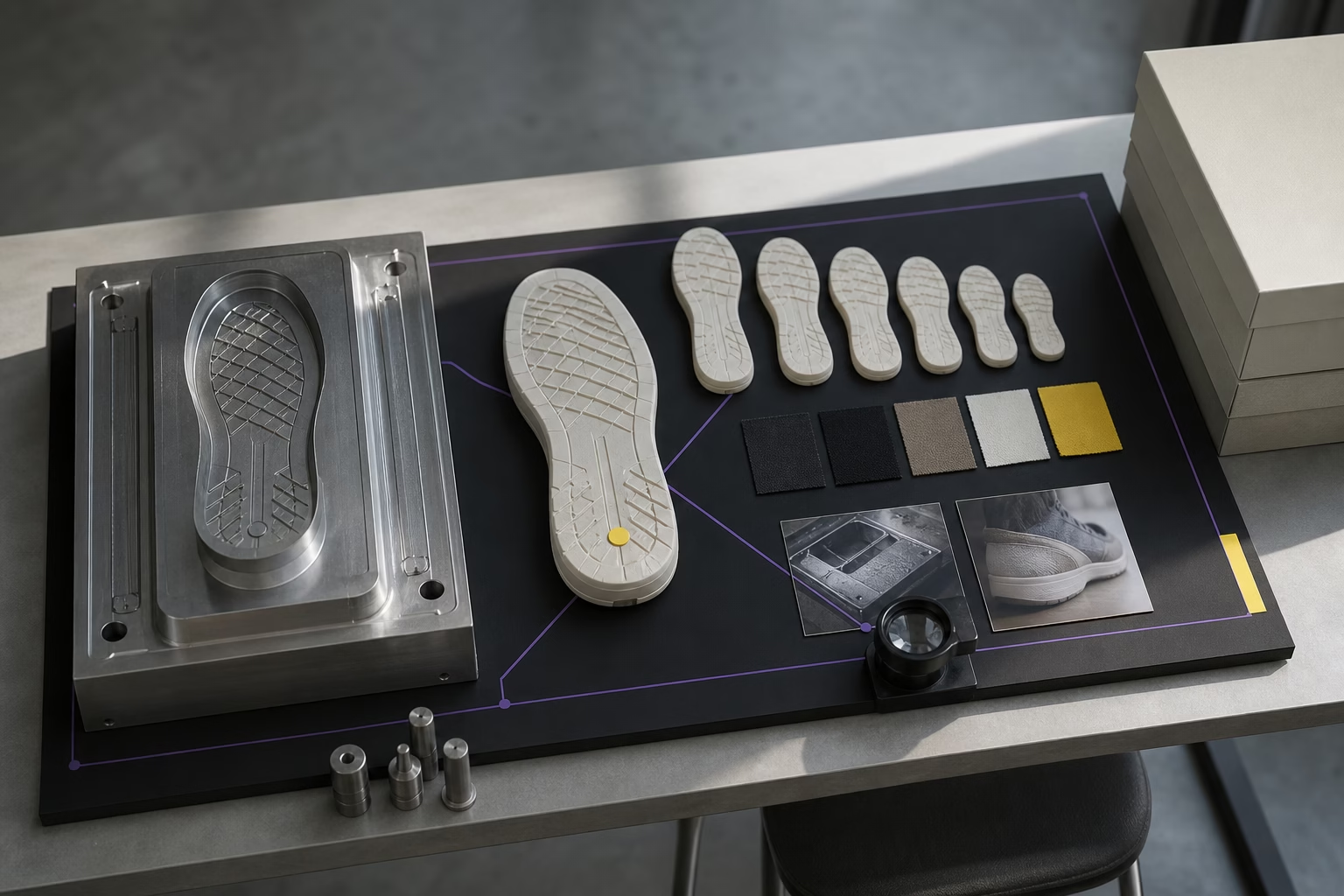
A design that cannot use a suitable existing mould may require new outsole mould development. Mould scope depends on the design and size range, so tooling requirements need project-specific assessment.
04
Customer-Owned Mould
Buyers may also propose production cooperation using a customer-owned outsole mould. The mould and production setup require compatibility review before samples or production can be discussed.
Specification Control
Control Colours, Size Runs and Component Relationships by Style
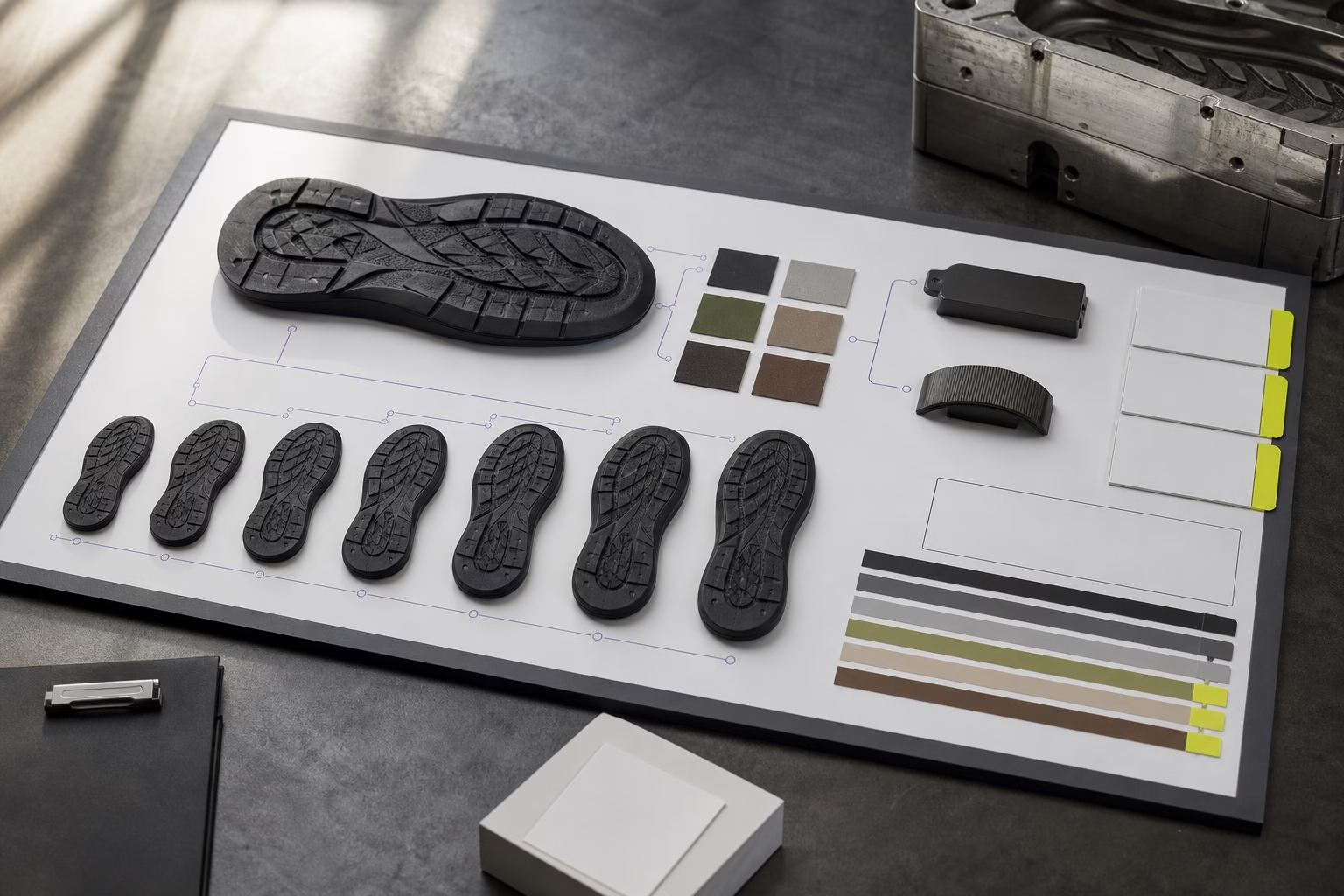
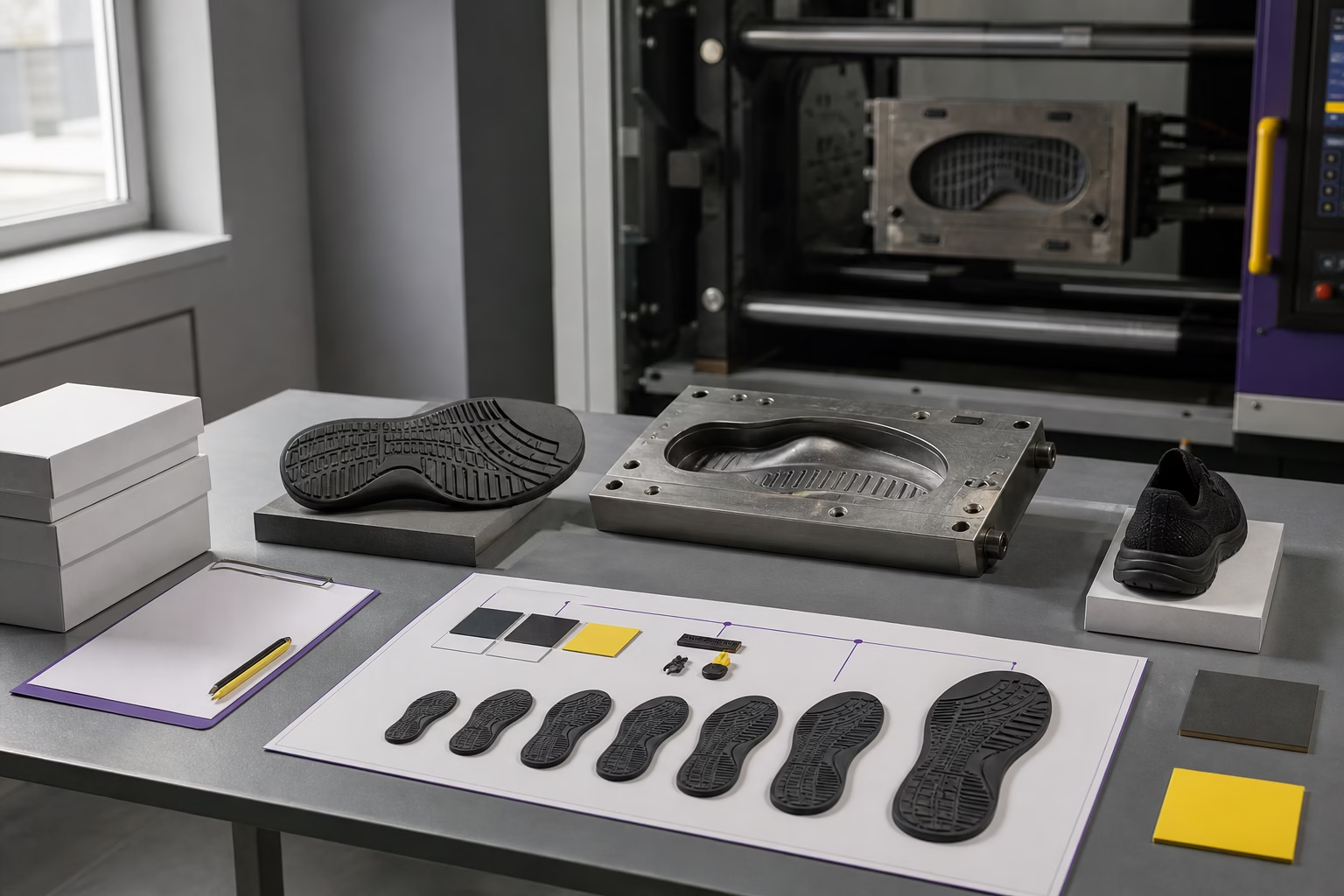
Maintain one controlled specification record for each casual shoe style. Connect every outsole and accessory reference to the correct colourway, size range and quantity. A practical record can include the style code, revision date, outsole reference, accessory references, colour code or sample reference, complete size run and quantities by variation. When colour is communicated through images, identify the controlling image or sample. Component compatibility must be assessed against the intended shoe design rather than similar appearance or a shared size label. Supply drawings, dimensions, mould information and physical references where available; WENCHANG will not apply unconfirmed tolerances or interface standards.
Quality Planning
State Inspection and Test Requirements Before Development
Testing requirements can affect material review, sampling and quotation planning, so state them at the beginning. WENCHANG’s production controls include four verified inspection stages, but these checkpoints do not replace product-specific testing. For each required test, provide the method, acceptance criteria and evidence format defined for the relevant buyer or market programme. Testing support and product scope must be confirmed for the specific order. The listed test areas do not represent blanket certifications, fixed performance levels or guaranteed outcomes for every component.
01
Slip Resistance;
02
Abrasion Resistance;
03
Colour Fastness to Yellowing;
04
Light Fastness;
05
REACH-Related Chemical Testing.
Order Coordination
Align Packaging, Destination and Schedule with the Order Brief
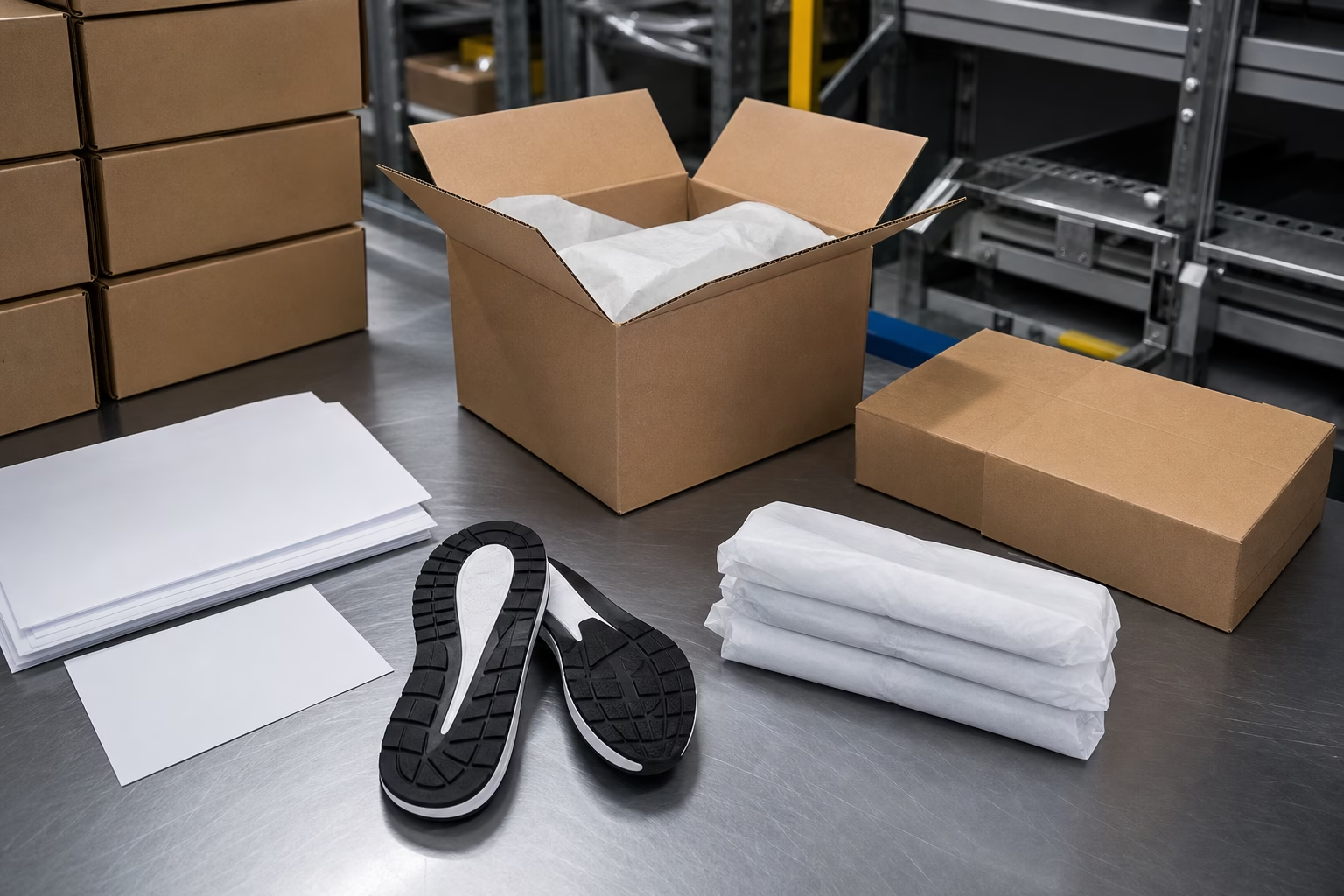
Packaging and destination details help determine how components should be prepared and identified. WENCHANG offers anti-scratch packing and custom box options, subject to product and project requirements. For custom packaging, provide the packing specification, artwork, labels, quantity breakdown and handling instructions, with separate methods identified for outsoles and accessories where necessary. State the required schedule together with the destination. Timing cannot be assessed separately from order quantity, style count, size run, mould status, packaging and development requirements. Availability and final timing are confirmed only after WENCHANG has reviewed the complete project details.
FAQ
Frequently Asked Questions
Project Discussion
Send One Clear Brief for Your Casual Footwear Project
Combine the outsole, accessory and project requirements under one controlled style reference. WENCHANG will review the information and identify the relevant product-supply or custom-development route. Component availability, pricing and delivery timing are not assumed or confirmed until the project specifications, commercial inputs and development requirements have been assessed.